What Eating Alone Actually Looks Like in Seoul
Go into a gukbap place around lunch in Jongno or Euljiro and you’ll probably see plenty of people eating alone. Most people are too busy with their own meal to care. Koreans call it honbap (혼밥), and honestly, nobody really thinks twice about it anymore.
Korean meals weren’t always this comfortable for solo diners. A lot of meals were built around sitting together, sharing dishes and drinks, and spending time at the table. Eating by yourself used to carry a bit of a stigma — people assumed something was off if you were sitting alone at dinner. With more people living alone, restaurants and food businesses have naturally started catering to them too, especially in Seoul.
Of course, there are still restaurants where walking in alone can feel a little awkward. But the number of places where it works without any friction has grown a lot, and knowing which category a restaurant falls into makes the whole thing easier.
Where I’d actually go alone
Some food categories in Seoul were basically made for eating alone, even before honbap became a phrase people used casually.
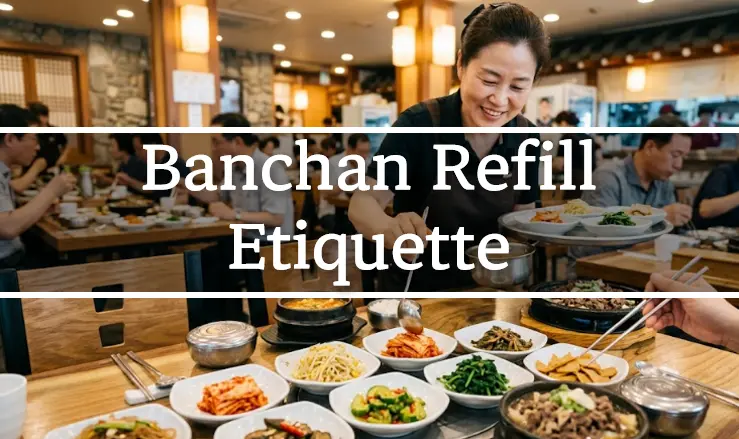
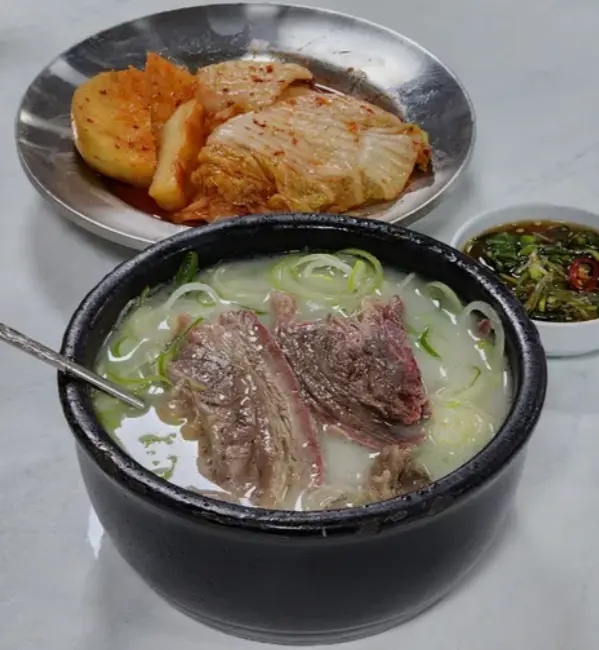
If I’m eating alone, gukbap (국밥) is usually one of my first choices. You get one bowl of soup and rice, a few banchan, eat your meal, and you’re done. It’s the kind of meal where you can walk in, spend less than you expected, and be back on the street pretty quickly.
Bunsik places are another easy option. Kimbap, tteokbokki, noodles — you can order any of these by yourself without giving it much thought. I actually like the counter seats at these places. You can just sit there, look outside, eat, and nobody cares that you’re by yourself.
If it’s late and I just need something to eat, I’ll usually end up at a convenience store. Most of the big chains have somewhere you can sit and eat a ramen or kimbap. It’s nothing fancy, but when you’re hungry at midnight, it works.
Don’t overlook department store food courts either. The Hyundai Seoul and Shinsegae are good examples. You’ll find plenty of counter-style seats, so sitting down by yourself doesn’t feel awkward at all.
Gwangjang Market is another easy one. The tables are long and communal, so you’re already sitting next to strangers anyway. Nobody is going to notice that you’re alone. You’re just another person sitting at the table. Some stalls are cash-only, so it’s worth carrying some won just in case.
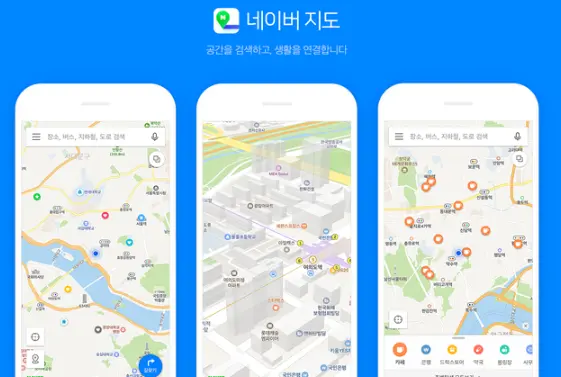
There’s a Naver Map filter that I wish more visitors knew about. Open the app, search for 맛집 or whatever food you’re after, and there’s a filter tab near the top where you can select 혼밥. Tap it, and the results narrow down to places known to work for solo diners.
I use this when I don’t feel like taking a chance on a restaurant. It saves you from walking in, realizing they only take groups, and walking straight back out.
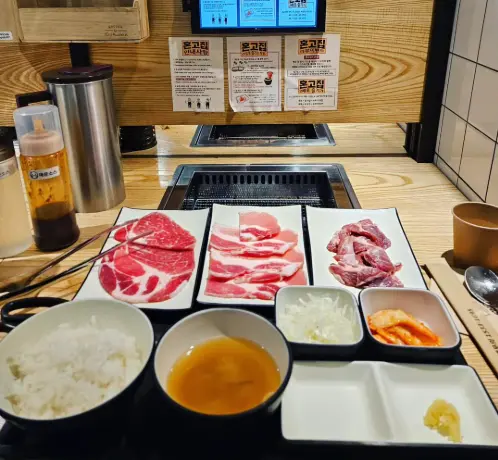
Korean BBQ is where it gets tricky
BBQ is the one area where eating alone can still be annoying. A lot of places have a two-serving minimum, meaning you end up ordering enough meat for two people even if it’s just you. I get why they do it, but it can be annoying when you only want enough food for yourself.
Some restaurants brand themselves specifically as solo BBQ spots — sometimes searchable under “gogitbar” — with individual grills or booth seating built for one person. They’re not everywhere, but there are more of them now. The other option is switching format entirely: bulgogi-eopbap or pork belly donburi are an easier option if you still want something meat-heavy without dealing with the grill or minimum order.
The same problem comes up with a few other dishes. Jeongol, bossam, and most fried dishes like fried chicken or tangsuyuk are portioned for groups by default. If a soup or stew shows up in one big pot instead of an individual-sized bowl, that’s usually the sign.
Nobody’s actually paying attention to you
The funny thing is, most people aren’t paying any attention to you anyway. Everyone’s on their lunch break, on their phone, or just focused on their own food. In smaller neighborhood restaurants or at markets, an owner might ask where you’re from out of curiosity, but that’s about it. It’s usually just a quick bit of small talk.
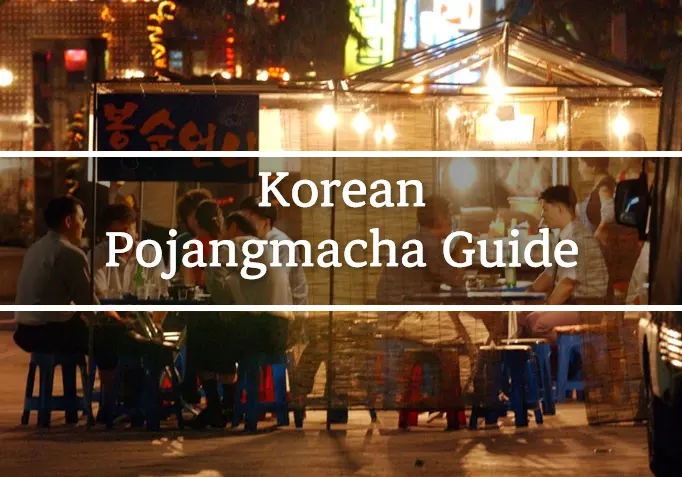
I’ve eaten alone pretty late in Seoul, and it’s not unusual to see other people doing the same. The one caveat is places built around heavy drinking — pojangmacha tents or hofs can get a little rowdy late, so if that’s not your scene, a regular restaurant is the safer call.
And one less thing to worry about: tipping. Korea doesn’t have a normal tipping culture, so you generally just pay the price on the menu.

Drinking alone isn’t that unusual either
Honbap has a companion word: honsul (혼술), drinking alone. Drinking in Korea has traditionally been pretty social. Soju around a table, ordering another bottle, someone saying “one more round” — that’s the usual image. Drinking alone used to feel a little different. That’s changed quite a bit. You can see the change pretty easily. Convenience stores sell plenty of single-serve drinks, there are YouTube channels built around drinking alone, and sitting at a bar with a beer by yourself isn’t particularly unusual anymore.
You can still go to a pojangmacha, grab chimaek, or sit at a bar by yourself. Nobody’s going to ask why you’re there alone.
A few things I’d keep in mind
The Naver Map 혼밥 filter is probably the most useful thing to have when you’re looking for a place. I’d also keep a little cash on hand if you’re going to a traditional market. For BBQ, just check the minimum order before you sit down. It saves you the slightly awkward conversation later.
At the end of the day, eating alone in Seoul really isn’t a big deal anymore. Sometimes it’s just lunch. You find a place, order what you want, eat, and get on with your day.
And that’s probably the biggest change. Nobody really notices anymore.
👉 What Is Bulgogi? The Real Story Behind Korea’s Most Famous BBQ Dish