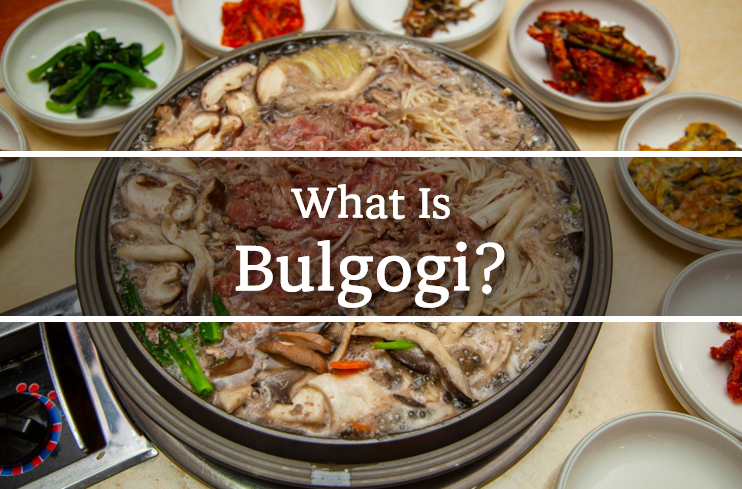
What Is Bulgogi? The Real Story Behind Korea’s Most Famous BBQ Dish
What Is Bulgogi? The Real Story Behind Korea’s Most Famous BBQ Dish
How did bulgogi end up becoming Korea’s most iconic dish? Honestly, I didn’t think about that question at all the first time I tried it. I was too busy watching a Korean grandmother hand me a pair of tongs, tell me to keep an eye on the pan, and walk away like I obviously knew what I was doing. I did not. But I had just stumbled onto a dish with roots that go all the way back to the Goguryeo kingdom, and I had zero clue.
Okay, So What Is Bulgogi, Exactly?
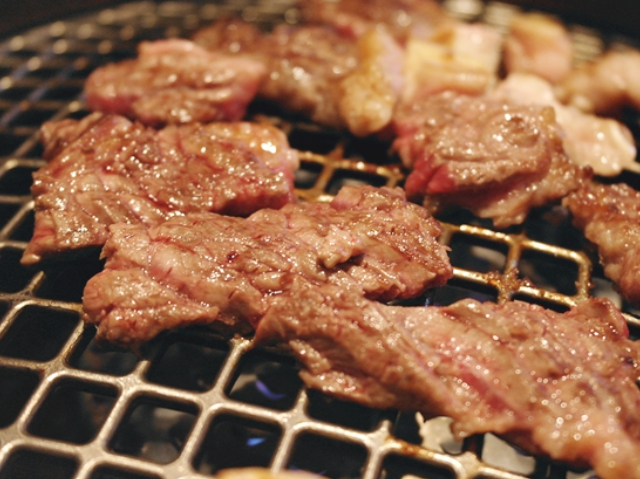
Bulgogi literally translates to “fire meat.” It’s thin slices of beef marinated in a sweet, savory, soy-based sauce, then cooked fast over high heat until the edges get just slightly caramelized. That little caramelized bit? That’s the whole reason people fall in love with it.
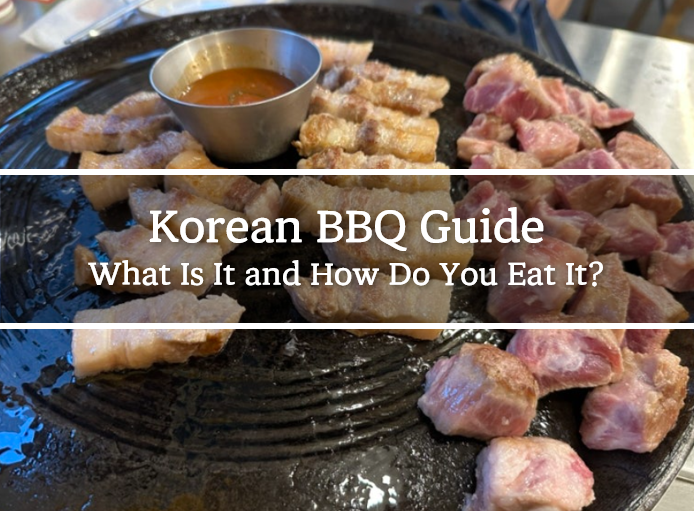
A lot of folks outside Korea lump bulgogi in with “Korean barbecue” and call it a day, but that’s kind of selling it short. Bulgogi isn’t chewy or tough like grilled short ribs. It’s soft, almost silky, and most of the flavor work happens way before the beef ever hits a pan.
My First Time Trying Bulgogi
I still remember sitting at a low table, watching thin strips of marinated beef start to sizzle. The smell alone had me nervous and starving at the same time, which is a weird combo. When I finally wrapped a piece in lettuce with a little rice and took a bite, the sweetness hit first, and then the garlic and sesame oil showed up right behind it like they were late to the party.
That balance is honestly what makes bulgogi so easy to like, even for people who swear they’re picky about “foreign food.” It’s a much softer entry point than some of the spicier Korean dishes out there.
A Dish With a Way Longer History Than You’d Expect
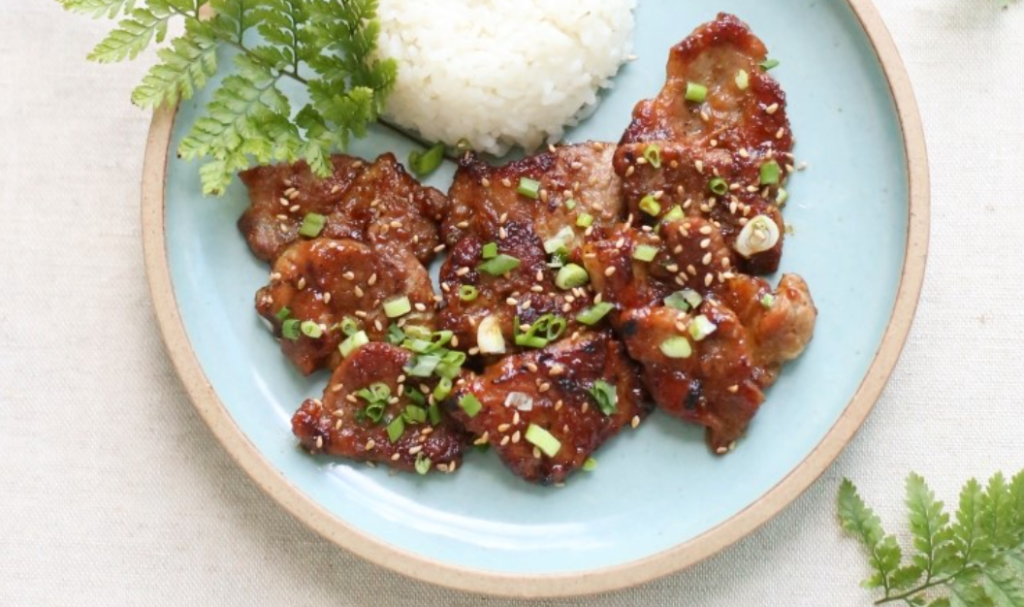
Here’s the part that surprised me. Bulgogi didn’t just show up one day in a modern Seoul kitchen. It’s been evolving for something like 1,500 years.
From Maekjeok to Neobiani
Historians point back to a dish called maekjeok, eaten during the Goguryeo kingdom, as the earliest ancestor of Korean grilled meat. Back then, whole cuts of meat were seasoned and roasted, and the style is believed to have spread well beyond Korea’s borders at the time.
As centuries rolled on, meat-grilling traditions faded a bit under Buddhist influence, then made a comeback during the Goryeo dynasty under the name seoryamyeok. By the time the Joseon dynasty rolled around, that had turned into a royal court dish called neobiani, thin beef slices tenderized, skewered, brushed with a soy-based marinade, and grilled over charcoal.
How the Name “Bulgogi” Actually Came About
Funny enough, the word “bulgogi” itself is way newer than the dish. Language records suggest the term only became common in the twentieth century, eventually replacing older names like neobiani in everyday conversation. What we think of as classic bulgogi today, thin marinated beef cooked fast over heat, really came together in its modern form over the decades that followed.
So next time you order bulgogi, just know you’re eating something with a family tree that stretches from ancient royal courts all the way to postwar Korean kitchens. That’s a lot of history sitting on one plate of lettuce wraps.
Why Bulgogi Tastes the Way It Does
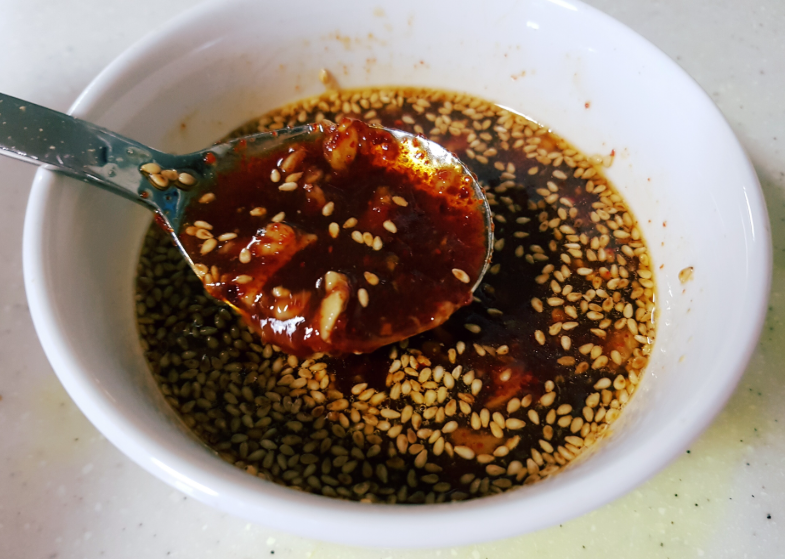
Honestly, the marinade is where all the magic happens. A traditional bulgogi marinade usually includes:
- Soy sauce for saltiness and depth
- A touch of sugar or Korean pear for natural sweetness
- Garlic and sesame oil for that unmistakable aroma
- Black pepper for a little kick
That pear isn’t just there for flavor, either. It naturally tenderizes the beef, which explains why bulgogi feels so much softer than other grilled meats. I didn’t buy this until I skipped the pear once while making it at home, and yeah, the difference was obvious.
A Tip I Learned the Hard Way
If you’re making bulgogi at home for the first time, don’t rush the marinating step. I once grilled the beef after letting it sit for only fifteen minutes, and it turned out fine, just noticeably less rich than it should’ve been. Giving it a few hours, or even overnight, makes a real difference.
Curious about bulgogi’s backstory?
👉 [Check out the write-up on the Encyclopedia of Korean Folk Culture’s website.]
How Koreans Actually Eat Bulgogi
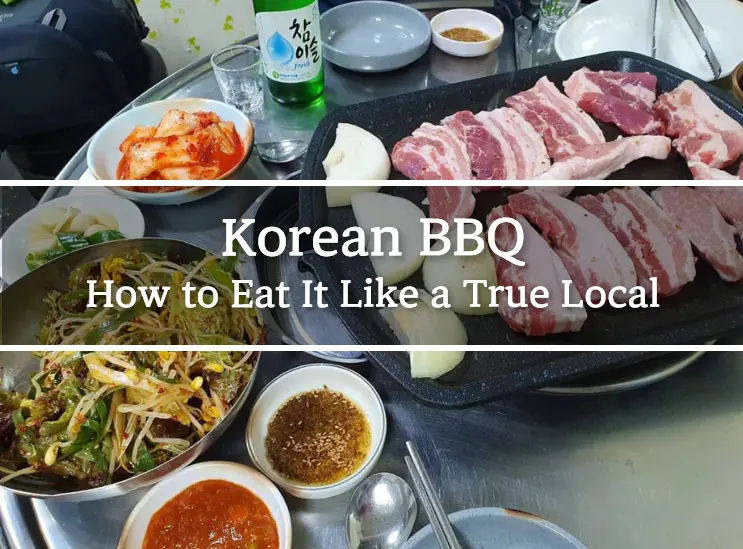
Bulgogi almost never shows up alone on the table. It usually comes with:
- Steamed white rice
- Lettuce or perilla leaves for wrapping
- A small dish of ssamjang, a thick, spicy-savory dipping sauce
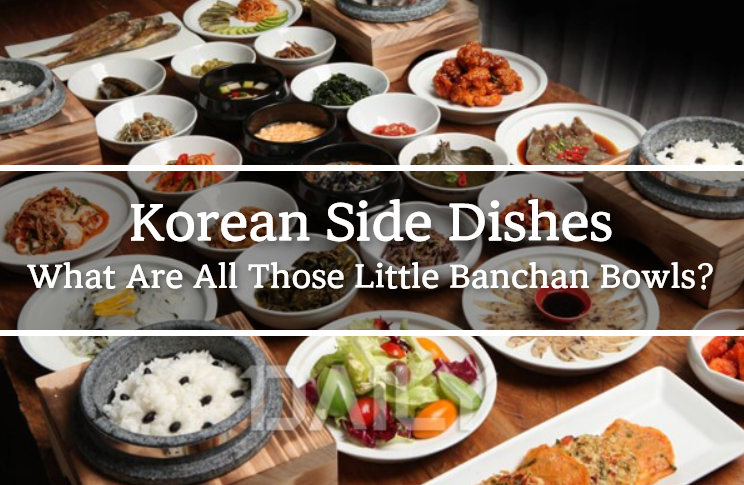
- A whole spread of banchan, or Korean side dishes
I remember being genuinely confused the first time banchan landed on the table before the main dish even arrived. I had no idea which little plate I was supposed to touch first. Turns out banchan are meant to be shared and picked at throughout the whole meal, not treated like an appetizer round. Once that clicked, the entire meal made a lot more sense.
Regional Styles Worth Trying
If you ever get the chance, a few regional versions are worth seeking out:
- Eonyang bulgogi, known for thin, wide cuts grilled right over a grate
- Gwangyang bulgogi, another grilled style with its own seasoning balance
- Jeoncheol bulgogi, cooked in a shallow pan with broth, and probably the version most people overseas have actually tried
Each one says a little something about how local ingredients and cooking traditions shaped the same basic idea over time.
Check out these related posts:
👉 Korean Street Food Guide – 15 Iconic Dishes You Have to Try
👉 10 Korean Foods Every Foreigner Should Try in Korea
Bulgogi is one of those dishes that seems simple on the surface but has way more history packed underneath than you’d guess. Once you know it evolved from ancient grilled meat, through royal Joseon-era cooking, and into the dish everyone loves today, it’s hard to look at a plate of it the same way again.
If you ever get the chance to eat bulgogi in Korea instead of at a Korean spot back home, take it. The freshness of the beef and the quality of the marinade make a real difference, and honestly, so does watching it sizzle right in front of you.