10 Korean Foods Every Foreigner Should Try (And the Mistakes They Usually Make)
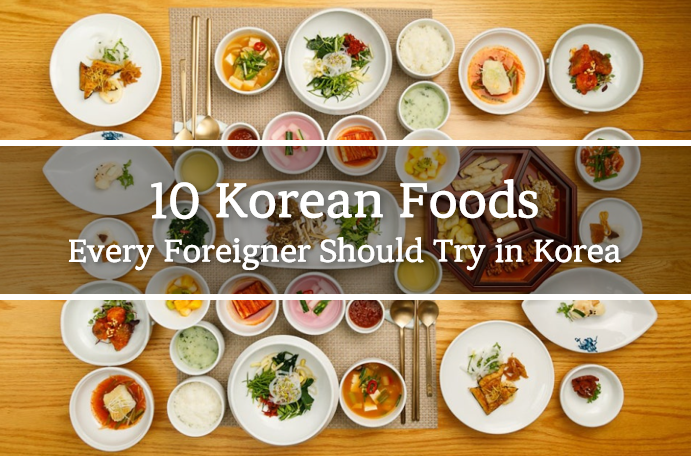
Korean Foods Every Foreigner Should Try in Korea
I’ve taken more foreign friends out to eat in Korea than I can count, and I keep noticing the same pattern. They stick to the “safe” dishes from travel brochures, order the mildest version of everything, and miss half the little rituals that make these foods actually work. So this isn’t a copy-paste tourist list. This is what I’d actually tell a friend the night before they land in Seoul.
Why Korean Food Confuses First-Timers
Korean food isn’t just spicy or fermented for shock value. It’s built around balance — sour, salty, sweet, and heat all fighting for space on one spoon. Most visitors miss this balance entirely because they’re too focused on the heat level alone. Once you understand that, everything on this list makes a lot more sense.
Here are 10 Korean foods every foreigner should try, plus the mistakes I see people make with each one.
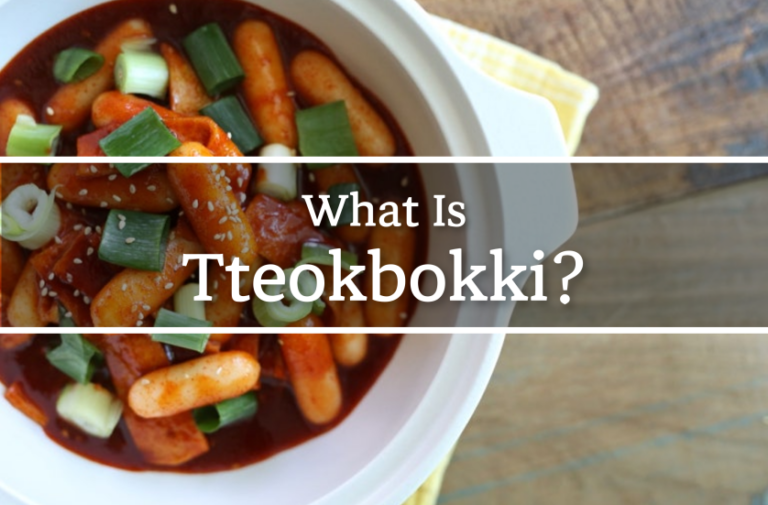
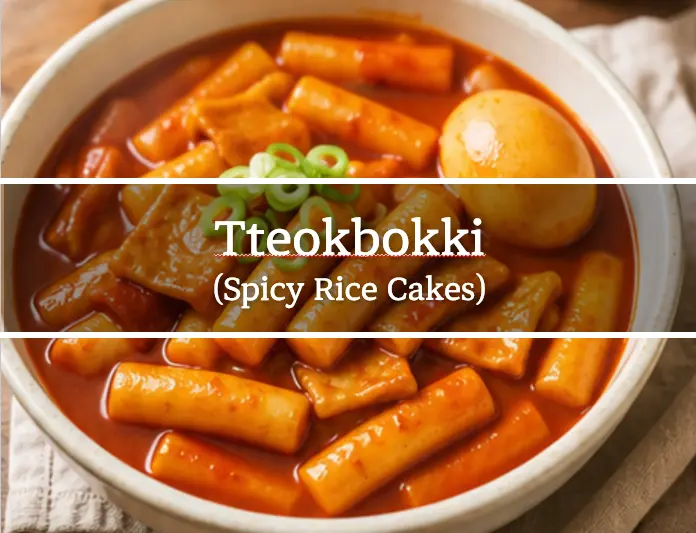
1. Tteokbokki (Spicy Rice Cakes)
Chewy rice cakes swimming in a red, slightly sweet, seriously spicy sauce. You’ll find carts selling it on nearly every busy corner.
The mistake foreigners make: assuming the spice level is exaggerated. It’s not. Locals add extra gochujang like it’s ketchup, and first-timers who copy that habit often regret it immediately. Start mild.
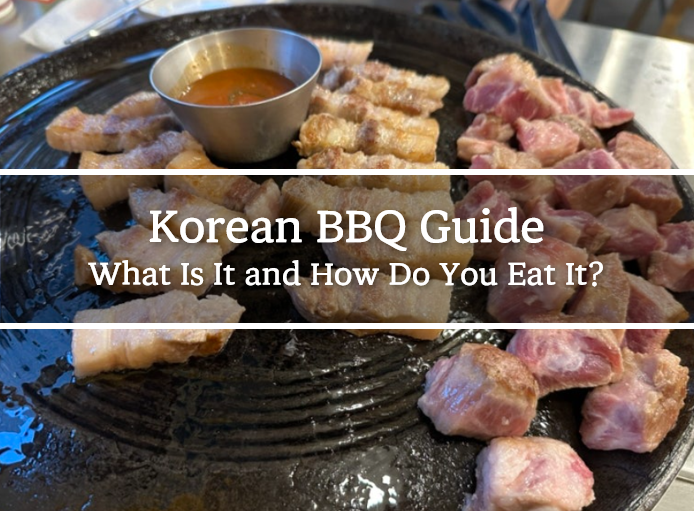
2. Samgyeopsal (Grilled Pork Belly)
Thick-cut pork belly grilled right at your table, wrapped in lettuce with garlic and ssamjang.
The mistake foreigners make: treating it like a quick meal. It’s not. Nobody eats samgyeopsal alone in silence, it’s built for long conversations and one more bottle of soju. Rushing through it means missing the entire point of the dish.
Related Posts
👉 https://jiandaddy.com/korean-bbq-guide/
3. Kimchi Jjigae (Kimchi Stew)
Bubbling, red, and loaded with aged kimchi, tofu, and pork. This is comfort food in its purest form, especially on a cold Seoul morning.
The mistake foreigners make: expecting one “correct” recipe. Every Korean grandmother has her own version, and every single one will insist hers is the best. Don’t compare the first bowl you try to some imaginary standard.
4. Bibimbap (Mixed Rice Bowl)
Rice, vegetables, a fried egg, and a spoonful of gochujang, all mixed together right before eating.
The mistake foreigners make: barely mixing it. Half-mixed bibimbap is the number one rookie error I see. Mix it aggressively, all the way through, or you’ll miss the whole flavor balance the dish is designed around.
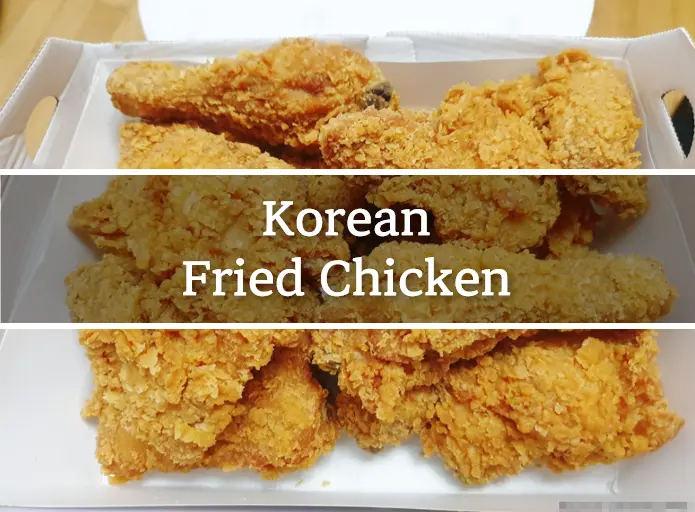
5. Korean Fried Chicken
Double-fried for a crunch that survives even a full glass of beer.
The mistake foreigners make: assuming it’s the same as fried chicken back home, then getting caught off guard by how different the texture and glaze actually are. If the spicy version feels intense, try the soy-garlic glaze instead.
6. Japchae (Glass Noodle Stir-Fry)
Sweet, savory, slightly chewy glass noodles stir-fried with vegetables and beef. It shows up at every celebration.
The mistake foreigners make: treating it as a side dish and ignoring it. It deserves its own attention, especially at gatherings where it’s often made in large batches with real care.
7. Sundubu-jjigae (Soft Tofu Stew)
Silky, uncurdled tofu in a fiery, bubbling broth, often with a raw egg cracked in at the table.
The mistake foreigners make: stirring in the raw egg too early or not at all. Let it cook slightly in the residual heat first. It changes the texture completely.
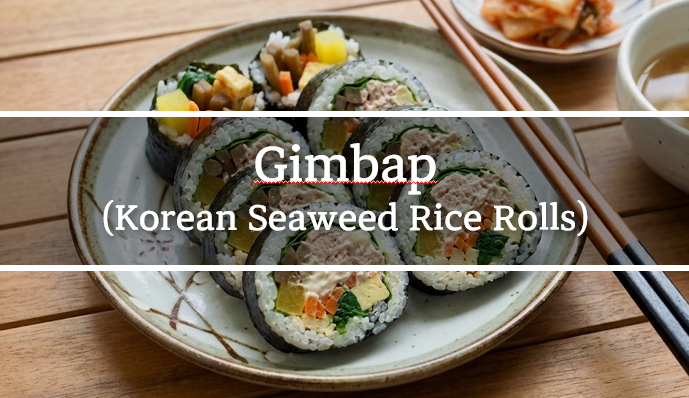
8. Gimbap (Korean Seaweed Rice Rolls)
Rice, vegetables, egg, and meat rolled in seaweed. Often compared to sushi, but it’s really its own thing entirely.
The mistake foreigners make: assuming it needs soy sauce or wasabi like sushi does. It doesn’t. Gimbap is seasoned and ready to eat as is, which is exactly why it’s so popular for hiking trips and quick lunches.
9. Naengmyeon (Cold Buckwheat Noodles)
Ice-cold broth, chewy buckwheat noodles, and a few slices of pear on top.
The mistake foreigners make: trying it in winter and wondering what the appeal is. This dish makes perfect sense the moment the Seoul summer heat hits, not before.
10. Hotteok (Sweet Korean Pancakes)
A crispy shell hiding a molten center of brown sugar, cinnamon, and crushed nuts.
The mistake foreigners make: biting in immediately. The filling stays lava-hot for a surprisingly long time. Blow on it first, or you’ll learn this lesson the hard way.
Korean food rewards curiosity, not caution. Some of the best meals I’ve had weren’t in any guidebook, they were in tiny alley restaurants with no English menu, where a grandmother just decided what I was eating that day.
If you’re planning a trip, don’t just stick to this list. Ask locals where they actually eat, not where they assume tourists want to go. That’s where the real food is.
Further Reading
👉 10 Korean Customs Every Foreigner Should Know Before Visiting Korea
👉 Jjimjilbang Guide-What Really Happens Inside a Korean Bathhouse