Korean Street Food Guide – 15 Iconic Dishes You Have to Try
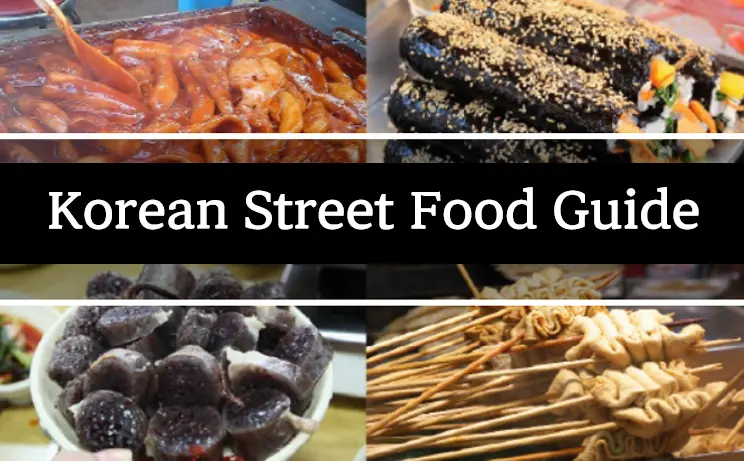
Korean Street Food Guide
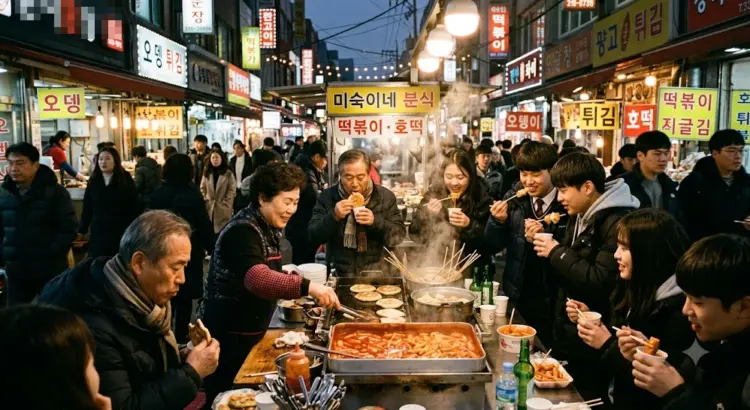
Korean street food isn’t just a quick snack option. It’s woven into daily life here, from school pickups to late-night walks and market shopping trips. As a Korean, I often notice visitors approach these food stalls the wrong way, missing half of what makes the experience actually work. So here’s a proper guide, plus the mistakes I see foreigners make most often.
Why Korean Street Food Feels Different From What Visitors Expect
Before getting into the list, it helps to understand the culture behind it. A lot of visitors assume street food here works the same way it does elsewhere. It doesn’t.
It’s Built Around Speed and Comfort
Most stalls are designed for people already moving somewhere else. You eat standing up, you eat fast, and you eat something warm even in summer. Foreigners sometimes expect a sit-down experience and end up confused when there’s nowhere to sit.
It Follows the Seasons Closely
Certain dishes only really shine at specific times of year. Hotteok tastes completely different in January compared to July, and locals plan around that naturally. Visitors often don’t realize some foods are seasonal until they can’t find them.
15 Korean Street Foods Every Visitor Should Know
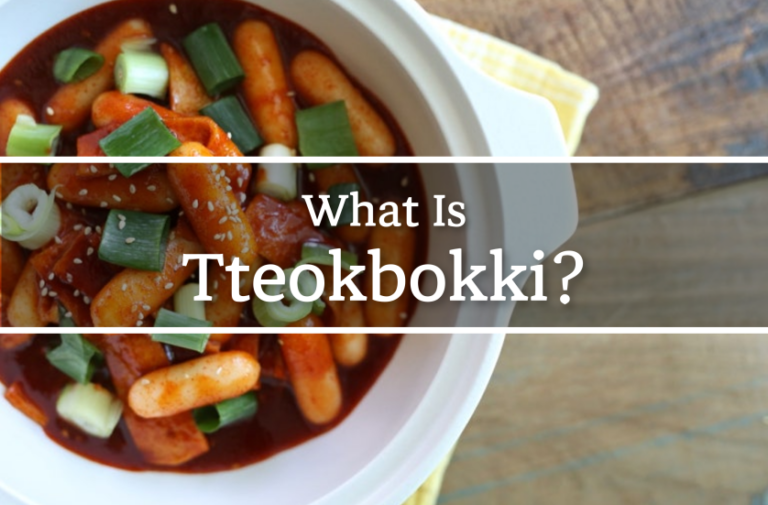
1. Tteokbokki
Chewy rice cakes in a red, slightly sweet, spicy sauce. This is the unofficial mascot of Korean street food.
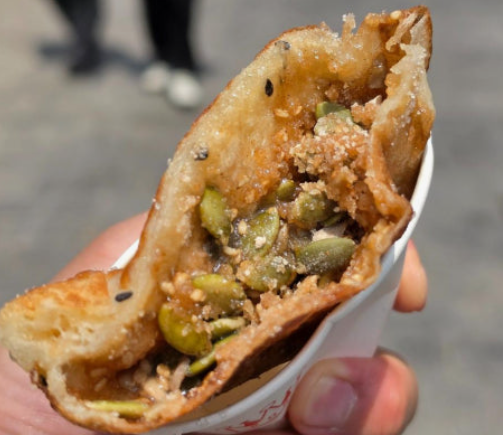
2. Hotteok
A sweet pancake filled with brown sugar, cinnamon, and crushed nuts. The molten filling catches most first-timers off guard.
3. Kimbap
Rice, vegetables, and often meat or egg rolled in seaweed. Portable and filling, great as a backup snack.
4. Korean Fried Chicken (Street Style)
Smaller portions than restaurant versions, but the crunch is still there.
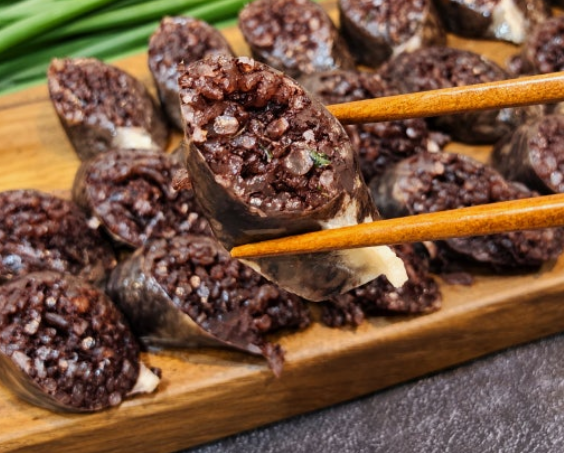
5. Sundae (Korean Blood Sausage)
Steamed and sliced, often served with spicy dipping salt. Milder than its reputation suggests.
6. Odeng (Fish Cake Skewers)
Fish cake simmered in warm broth. The broth is usually free to refill.
7. Gyeranppang (Egg Bread)
Soft, slightly sweet bread with a whole egg baked into the top.
8. Bungeoppang
Fish-shaped pastry filled with sweet red bean paste. A clear signal winter has arrived.
9. Twigim (Assorted Fried Snacks)
A mixed tray of fried vegetables, seafood, and dumplings, usually sold near tteokbokki stalls.
10. Korean Corn Dogs
Coated in crispy potato cubes or drizzled with sugar. Very different from Western corn dogs.
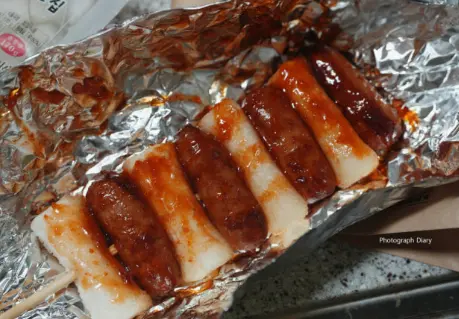
11. Sotteok Sotteok
Grilled rice cake and sausage skewers with a sweet glaze.
12. Mandu (Steamed or Fried Dumplings)
Simple and reliable, a safe pick between bolder flavors.
13. Patbingsu (Market Version)
A lighter, market-style shaved ice dessert topped with sweet red beans.
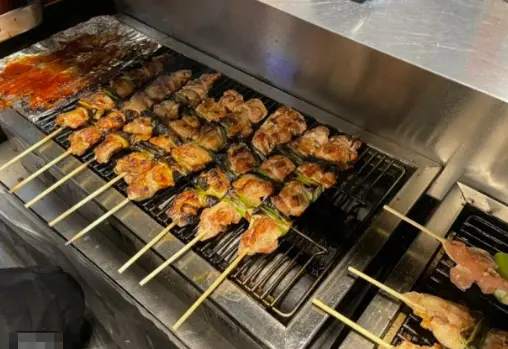
14. Dakkochi (Grilled Chicken Skewers)
Smoky chicken skewers brushed with a savory-sweet glaze.
15. Ppopgi or Dalgona
The honeycomb toffee candy that became famous worldwide. Cracking the shape out without breaking it is half the challenge.
Recommended Reading
👉 10 Korean Foods Every Foreigner Should Try in Korea
Common Mistakes Foreigners Make With Korean Street Food
Assuming Card Payment Works Everywhere
Many stalls, especially in traditional markets, still prefer cash. Visitors without small bills sometimes struggle to pay at smaller stands.
Filling Up Too Early
This list is long on purpose. A common mistake is committing to a full portion at the very first stall, leaving no room for everything else.
Ignoring the Line Length
If a stall has a long line of locals rather than tourists, that’s usually a strong signal the food is worth the wait. Visitors sometimes skip these stalls simply because the line looks intimidating.
Expecting Every Dish to Be Available Year-Round
As mentioned earlier, some items like bungeoppang or hotteok are seasonal. Visitors occasionally search for a dish in the wrong season and assume it no longer exists.
Recommended Reading
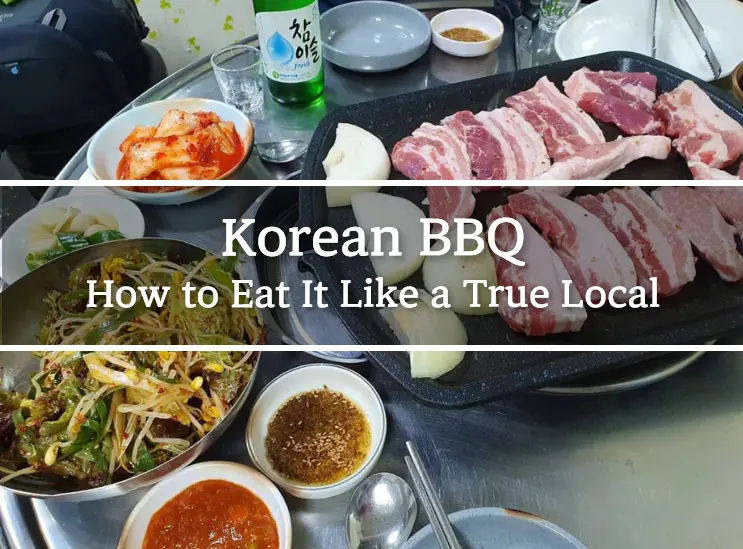
👉 Korean BBQ Guide-What Is It and How Do You Eat It?
Korean street food is less about finding one perfect dish and more about the entire experience of wandering, smelling, and grabbing whatever looks good next. This list is a starting point, not a strict rulebook.
Next time you’re near a night market or a busy street corner, skip the sit-down restaurant for one evening. Grab a paper cup, follow the smell, and let the street food guide the rest of the plan.