Korean Pojangmacha Guide: Cash, Ordering, and Manners
Bring cash, order at least a dish or two for your table, and check the price before you sit down. That covers most of what trips people up at a traditional pojangmacha.
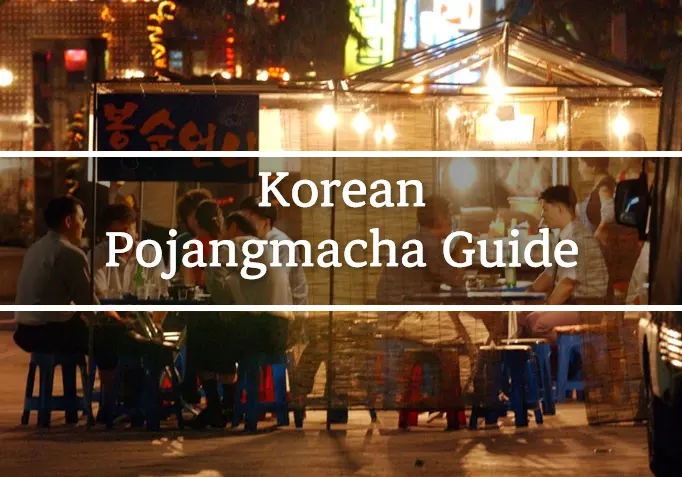
A pojangmacha (포장마차) is a tent or cart-style drinking spot that sets up on the street, mostly at night. People often shorten it to “pocha.” The word also gets used for indoor restaurants that copy the look, and those can work quite differently, so it helps to know which kind you’re walking into.
Street Pojangmacha vs. Indoor Pocha
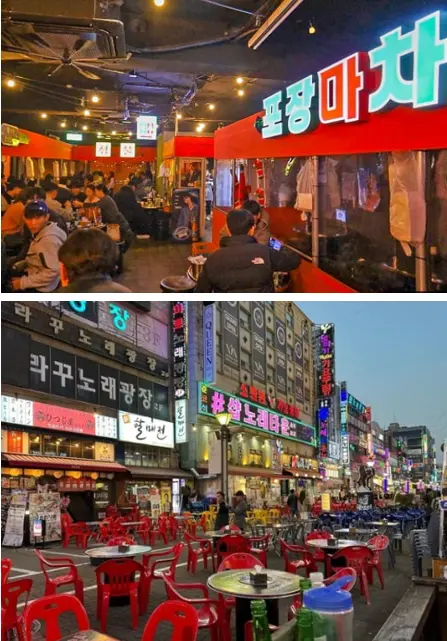
The traditional kind is a cart on wheels or a temporary tent, usually open in the evening and at night. Some are fixed in one spot and some are movable, but the feel is the same: plastic stools, a few tables, and a cook working right in front of you.
Then there are indoor pocha. These are proper restaurants with a pojangmacha theme. They take cards, have a bathroom, and work like any other restaurant. Nothing in this guide about cash or toilets applies to them.
If you see a place with a real storefront and a card reader at the counter, you’re in an indoor pocha. If it’s a tent on the sidewalk, read on.
Paying: Bring Cash
Most traditional street pojangmacha don’t have a card terminal. Cash is the default, so stop at an ATM before you go.
Many of them also accept bank transfer. That’s convenient for Koreans, but it’s hard for a visitor without a Korean bank account or an app like Toss or KakaoPay. I wouldn’t count on it as a backup.
Some places don’t put prices on the menu at all. Asking how much a dish costs before you order is completely normal, and nobody will think it’s rude. Side dishes at a pojangmacha can be pricey for the amount of food compared with an ordinary restaurant, so it’s worth knowing the price before the plate lands on your table.
What People Order
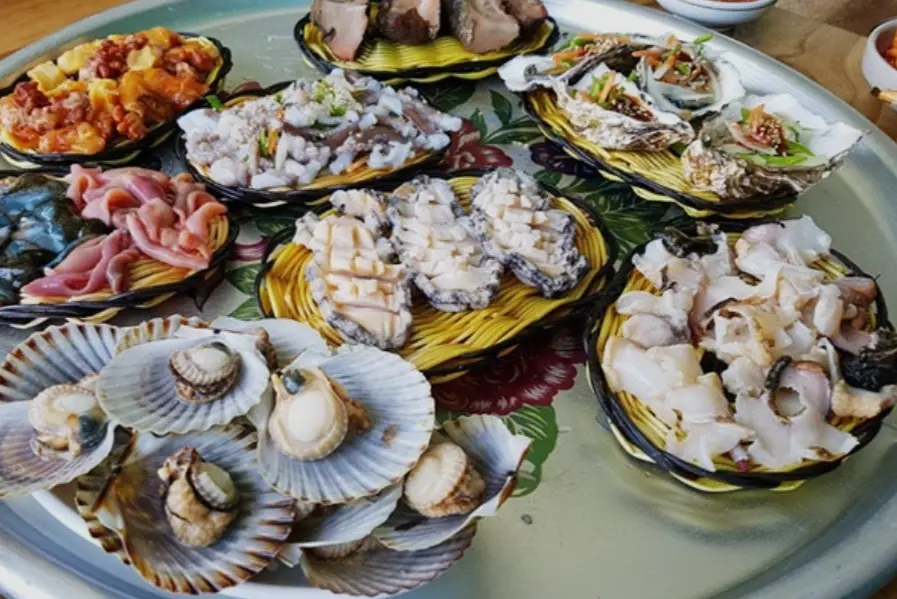
The food at a pojangmacha is anju (안주), meaning dishes meant to go with alcohol. Here are some of the usual ones.
Seafood
- San-nakji (산낙지), small live octopus, cut up and served fresh
- Meongge (멍게), sea squirt
- Ojingeo sukhoe (오징어숙회), blanched squid
- Hongap-tang (홍합탕), mussel soup
Grilled and stir-fried
- Dakbal (닭발), chicken feet, usually spicy
- Ddongjip (똥집), stir-fried chicken gizzards
- Jeyuk-bokkeum (제육볶음), spicy stir-fried pork
- Odolppyeo (오돌뼈), crunchy pork cartilage
- Samchi-gui (삼치구이), grilled Spanish mackerel
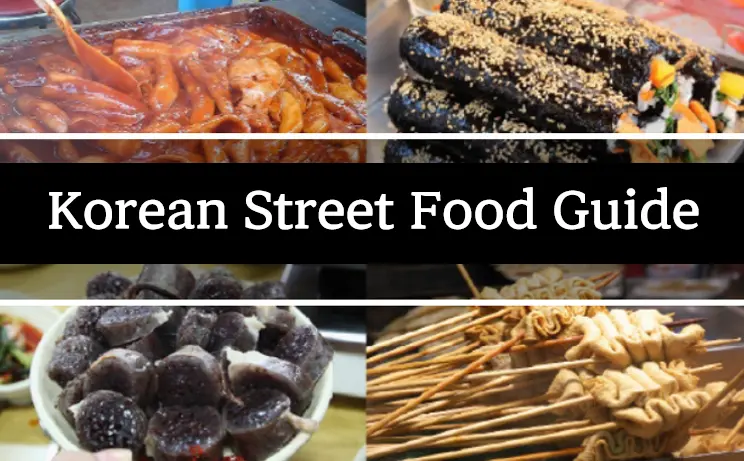
Earlier in the evening, some carts lean more toward snack food: tteokbokki, sundae, fried snacks, and fish cake skewers. Fish cake is called “odeng” (오뎅) in everyday speech, and that’s what you’ll hear most often at the cart.
If you’re new to this, the chicken feet and the live octopus are the two dishes I’d think about before ordering. Both have a texture that takes some getting used to. Jeyuk-bokkeum or grilled mackerel is an easier first order.

Free Side Dishes and Broth
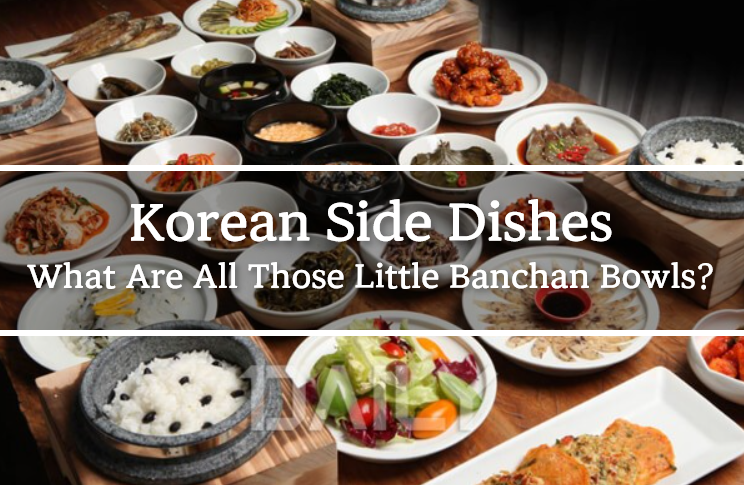
A few small things usually arrive without you asking, such as cucumber and carrot sticks with gochujang-based dipping sauce (chogochujang), and pickled radish. Don’t count these as your order.
Many places also bring out a bowl of broth, either hot fish cake broth or mussel soup. It often comes as a free refill, and it’s a good thing to sip between drinks on a cold night.
Drinks and How Much to Order
Soju and beer are what most tables drink. Plenty of people mix the two into “somaek” (소맥), pouring a bit of soju into a glass of beer.
Space is tight at a pojangmacha, and the owner is running a very small business. Because of that, the rough rule is to order food and drinks that fit your group, meaning at least one or two dishes and some drinks. If you don’t drink, ordering a soft drink is fine, but you still need to order food. Sitting down for just a cup of something isn’t how it works.
Check out these related posts:
👉 How to Eat Ganjang Gejang: Shell Rice, Safety, and Getting Past the Fishy Smell
👉 Vegetarian Korean Food in Korea: What to Know Before You Order
Things Nobody Tells You
Where’s the bathroom?
A traditional pojangmacha has none. Before you sit down, figure out where the nearest option is, whether that’s a subway station, a public restroom, or an open building nearby. After a few drinks, you don’t want to be hunting for one.
At peak hours the seats fill up, so you may be seated next to strangers or squeezed in close to the next group. Nobody treats this as unusual.
The owner might talk to you
Many owners are friendly and chat with customers, and the people around you may start up a conversation too. You can join in or not. Either is fine.
Where to Go in Seoul
Jongno 3-ga. This is probably the most famous one. When night falls, a long stretch of pojangmacha lines the street, and it’s the area most people mean when they say “pojangmacha street.”
Euljiro 3-ga and 4-ga (around Nogari Alley). The area has a retro feel, and you can sit at outdoor tables in the street. It’s a good place to see that outdoor drinking culture up close.
Yeouido and Yeongdeungpo. These areas have traditional pojangmacha that office workers visit after work. If you want somewhere that feels less like a tourist stop and more like an after-work drink, this is where I’d start.
None of these places is hard to find. Pick one, bring cash, and walk along until something smells good. The part I still can’t explain well to people is how the stools, the cold, and the steam from the broth all seem to make the food taste better than it should. You’ll probably notice it yourself.