Korean Drinking Culture – Rules Foreigners Often Get Wrong
Korean Drinking Culture
The first company dinner I ever brought a foreign coworker to, he grabbed his own beer and started pouring it himself. Nobody said anything, but a couple of the older guys paused for half a second. That’s basically Korean drinking culture in one moment — it looks casual on the surface, but there’s a quiet structure running underneath that nobody bothers explaining out loud.
Why Korean Drinking Culture Feels So Different
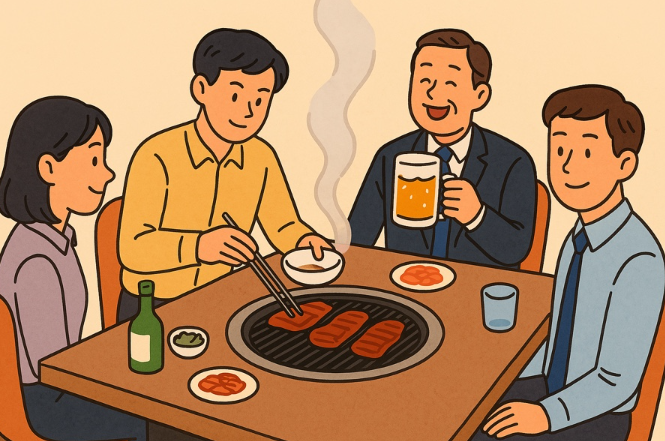
Drinking in Korea isn’t just a casual activity. It carries weight in relationships, work life, and friendships. Soju and beer aren’t only drinks here, they’re social tools that build trust between people.
This is exactly why foreigners often feel lost. Back home, drinking rules are loose: pour your own glass, cheers whenever, leave whenever. In Korea, none of that applies the same way. There’s a rhythm to it, and understanding that rhythm makes everything easier.
Do & Don’t: The Core Etiquette Rules
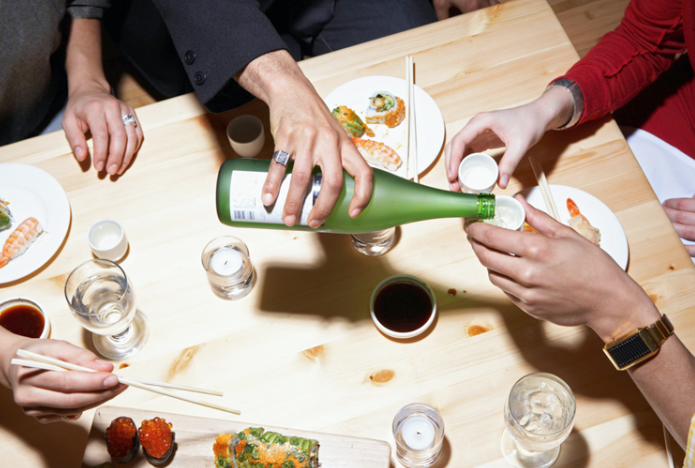
Do: Let Someone Else Pour Your Drink
Do: Wait for someone else to fill your glass, especially during the first round.
Don’t: Pour your own soju or beer at the start of the night.
This is one of the most common mistakes foreigners make. Pouring your own drink can feel like skipping the social bonding part of the meal entirely, even if that’s not the intention.
Do: Use Two Hands When Pouring for Elders
Do: Hold the bottle with both hands, or support your pouring arm with your other hand, when serving someone older.
Don’t: Casually pour with one hand like you would with a friend your own age.
Age hierarchy matters a lot here. Even a one or two year age gap can shift how someone is expected to behave. Foreigners unfamiliar with this often pour casually without realizing the gesture reads as careless to older guests.
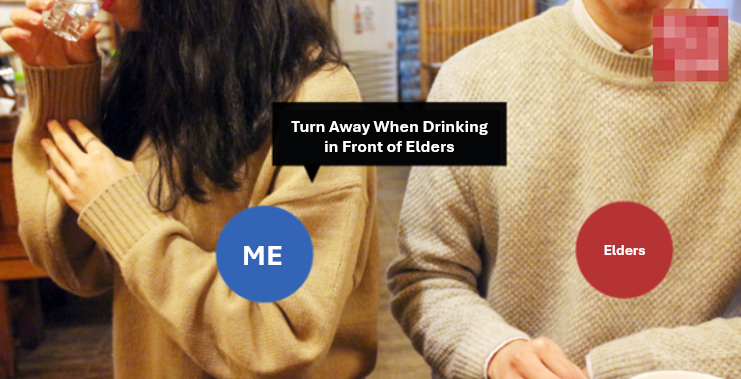
Do: Turn Away When Drinking in Front of Elders
Do: Slightly turn your head or body away from senior coworkers or older relatives when taking a sip.
Don’t: Face them directly while drinking, especially during the first toast.
This custom often surprises visitors the most, since it feels unusually formal at first glance. Once the reasoning clicks, showing respect and modesty toward elders, it stops feeling strange and starts feeling natural.
Do: Accept the First Drink, Even If You Don’t Finish It
Do: Take at least a small sip when someone pours for you as a gesture of respect.
Don’t: Flat out refuse a drink the moment it’s offered, especially early in the night.
Nobody expects a full glass to be finished. But refusing the very first pour can feel like rejecting the person offering it. A small sip goes a long way toward avoiding that impression.
Do: Refill Others Before Your Own Glass Runs Dry
Do: Keep an eye on the glasses around you and refill them before they’re empty.
Don’t: Wait until your own glass is empty to think about pouring for others.
This is where the social bonding really happens. Drinking in Korea often feels less about the alcohol itself and more about the constant, quiet care people show each other through pouring.
Related Reading:
👉 10 Korean Customs Every Foreigner Should Know Before Visiting Korea
👉 Why Is Korean Convenience Store Culture So Popular?
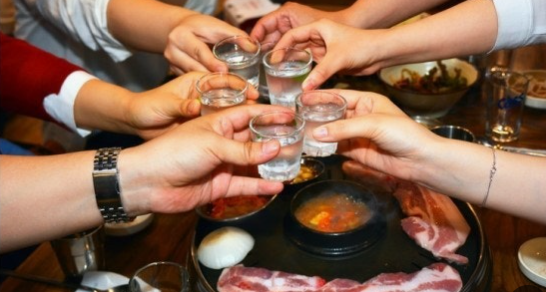
Common Myths Foreigners Believe About Korean Drinking Culture
Myth: Everyone Drinks Heavily and Constantly
This isn’t true at all. Plenty of younger Koreans now prefer lighter drinking, sober nights out, or skipping alcohol entirely. The heavy drinking culture still exists, especially among older generations, but it’s shifting fast.
Myth: You Have to Match Everyone Drink for Drink
Nobody is keeping score, at least not in the way outsiders imagine. Slowing down, switching to water, or nursing one drink the entire night is completely acceptable. Saying “I’m okay for now” works perfectly fine.
Myth: Soju Bombs Are Required at Every Table
Soju bombs, mixing beer and soju, are popular but far from mandatory. Plenty of dinners happen without a single bomb being made. It depends entirely on the group and the occasion.
A Few Extra Things Foreigners Should Know
Group dinners, known as hoesik, often move through several rounds at different locations. Round one might be a barbecue restaurant, round two a bar, and round three a noraebang, or karaoke room. Attending every round isn’t obligatory, and leaving after round one is increasingly normal, even if foreigners sometimes assume otherwise.
It’s also common for coworkers to seem noticeably more relaxed and open after a few drinks. Alcohol often works as a social pressure valve here, softening the usual workplace hierarchy for a few hours, something visitors unfamiliar with Korean office culture might not expect.
Korean drinking culture isn’t about strict punishment for breaking a rule. It’s about showing awareness, respect, and care for the people around the table. Understanding the basics, letting others pour, using two hands with elders, and sipping slowly rather than refusing outright, covers most of what a first-time visitor needs to feel comfortable at a Korean dinner table.