Why Korean Convenience Stores Feel Like Part of Everyday Life
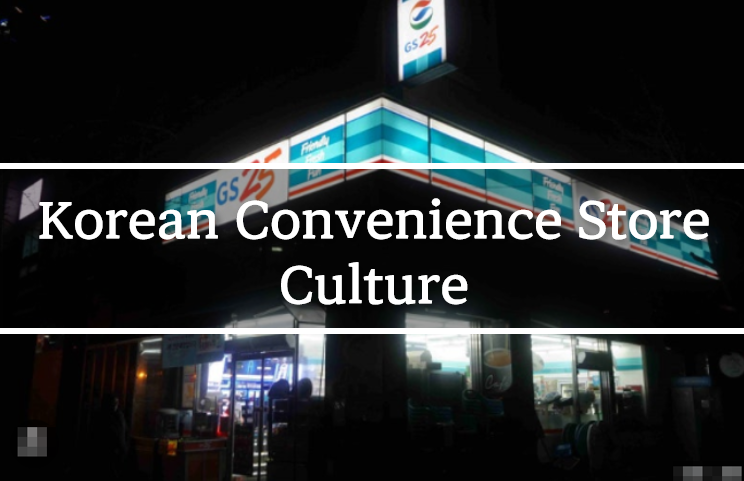
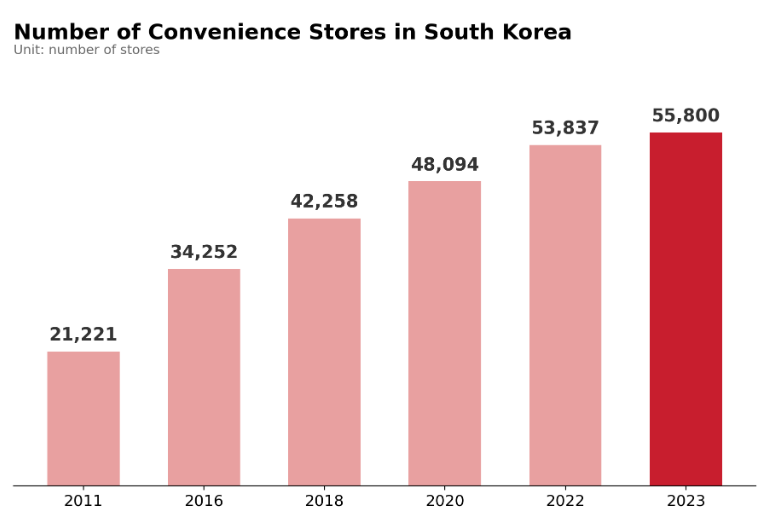
South Korea has around 55,000 convenience stores, a number close to or matching Japan’s — but when you factor in population size, Korea actually has roughly twice the store density of Japan, with one store for roughly every 900 to 950 people.
It’s close to midnight, and the convenience store near my place is still busy. A delivery driver is sitting by the window with a cup of ramyeon, while someone else is eating kimbap and looking at their phone. There are usually a few people doing the same thing — eating something quick, charging a phone, or just sitting there for a few minutes before going home.
I’ve heard visitors talk about this more than once. They come to Korea expecting palaces, cafés, shopping, and K-pop, but somehow end up talking about convenience stores too. For some people, grabbing a drink or sitting down with a cup of ramyeon becomes one of those small memories they remember after the trip.
So why are convenience stores such a big part of everyday life in Korea?
Everything Is Supposed to Be Quick
Seoul can feel fast when you’re not used to it. People are walking quickly, buses arrive one after another, and even grabbing lunch can feel like something you need to finish between two appointments. After a while, you stop thinking about it. You just move at the same pace as everyone else.
Koreans often describe this kind of attitude with the expression ppalli ppalli, or “hurry, hurry.” You hear the phrase in all kinds of situations, and convenience stores fit that lifestyle pretty well.
That’s one reason convenience stores fit so well into Korean daily life. You can grab something to eat, pick up a package, pay for something, or take care of a small errand without making another trip somewhere else.
Buying Food for One Person
Walk around residential areas in Seoul and you’ll see plenty of small apartments designed for one person. As more people live alone, the way they buy food has changed too.
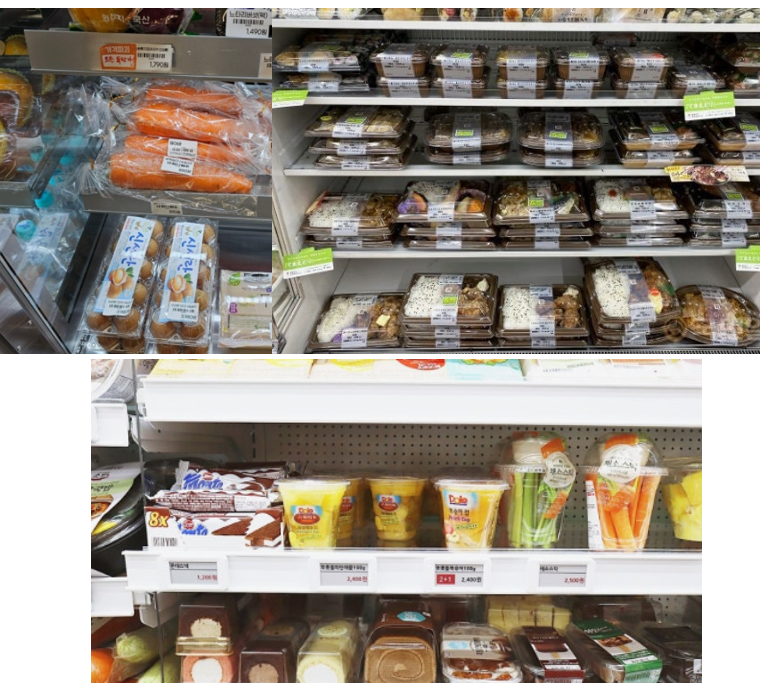
Buying a large bag of rice or a whole tray of eggs isn’t always practical when you’re shopping for just yourself. A single portion of kimbap, a microwavable curry pack, or a small container of pre-cut fruit solves the problem without any waste sitting in the fridge. Convenience stores were a natural fit for this change.
Why People Eat at the Store
Many convenience stores have a few seats near the window, along with a microwave, hot water, and sometimes outlets for charging your phone. The setup varies from store to store, but you’ll often see people eating there instead of taking their food home.
You’ll see office workers eating there during lunch, students stopping by between classes, and people working late grabbing something before they head home. You wouldn’t normally think of a convenience store as a place to eat, but in Korea, it can be surprisingly convenient when you just need a quick meal.
You Can Do More Than Just Buy Food
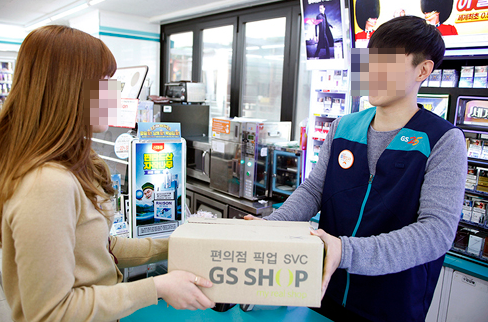
What makes Korean convenience stores especially useful is how many small things you can do there. Depending on the store, you might send a parcel, withdraw cash, print something, or pick up an online order while you’re buying dinner.
The products are another reason people keep checking convenience stores. Each chain regularly brings out limited-edition snacks, drinks, desserts, and collaborations. Sometimes you walk in for a bottle of water and leave with something you hadn’t planned to buy at all.
I’ve seen this happen with popular snacks and drinks. You hear about something online, go looking for it, and sometimes the shelf is already empty.
Related Posts:
👉 Korean Convenience Store Culture – What Foreigners Usually Get Wrong
Why There Are So Many Convenience Stores
Korea has one of the highest concentrations of convenience stores in the world. You don’t have to walk very far in most neighborhoods before you run into another one.
The growth has gone hand in hand with changes in Korean households and eating habits. More people live alone, many couples are busy with work, and people often prefer buying smaller amounts more frequently instead of doing one big grocery shop.
A lot of people don’t necessarily go to a convenience store to do their main grocery shopping. They stop by on the way home, grab breakfast before work, pick up a drink, or buy something they need right now.
That’s probably what makes Korean convenience stores interesting to visitors. For locals, they’re so normal that you barely think about them. But after spending a few days in Korea, you might find yourself stopping at one too — even if you didn’t originally plan to.
Check out these related posts:
👉 Korean Drinking Culture – Rules Foreigners Often Get Wrong
👉 Seoul Subway Guide – How Foreign Tourists Can Get Around Korea Like a Local