Seoul Subway Guide – How Foreign Tourists Can Get Around Korea Like a Local
Seoul Subway Guide
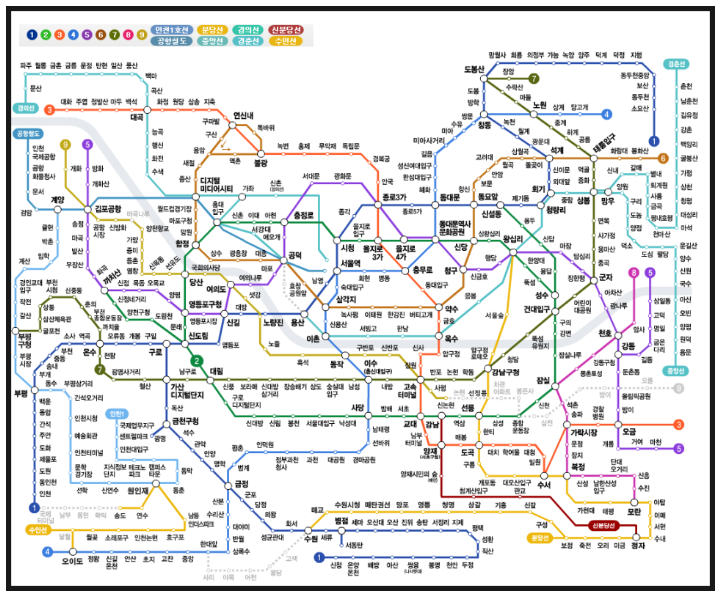
Near my place there’s a station with four different line transfers, and I once watched a couple of tourists stand frozen in front of the map for a good five minutes. The lines cross everywhere, the station names blur together, and the colors don’t mean much until someone explains the logic behind them.
👉 Click here for the English subway map
Why the Seoul Subway Feels Overwhelming at First
The Seoul subway network has more than twenty lines, and some lines share stations, which sounds simple but genuinely confuses first-timers. Add English, Korean, Chinese, and Japanese signage all stacked together, and it’s easy to feel overwhelmed within minutes.
What Most Visitors Don’t Realize
Here’s something not many tourists expect: the system is actually built with foreigners in mind. Every announcement plays in English right after Korean, and every sign includes romanized station names. Visitors aren’t missing something obvious, they just haven’t used it yet.
The Mistake: Buying Paper Tickets
This is one of the most common early mistakes tourists make. Paper tickets are more expensive per ride, and they require a small deposit refunded at a separate machine afterward. Visitors who choose this option often waste time dealing with the refund process on their very first ride.
How to Get a Transit Card the Right Way
- Find a convenience store near any subway entrance. GS25, CU, and 7-Eleven all sell transit cards.
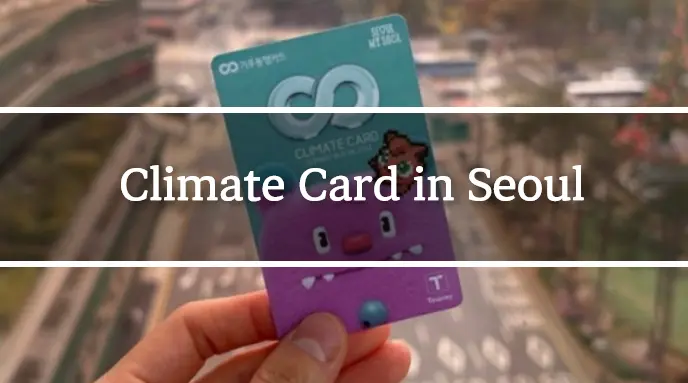
- Ask for a T-money card or a Cashbee card. Either one works everywhere in Seoul.
- Load cash onto the card at the store counter or a subway station charging machine.
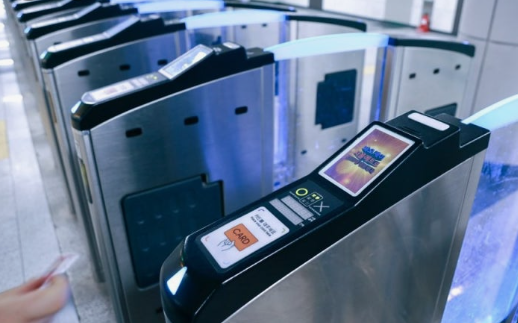
- Tap the card on the gate reader as you enter and exit. No paper, no deposit refund line.
Why a Physical Card Often Works Better Than a Phone
Visitors with an iPhone bought overseas often run into trouble setting up Apple Pay transit in Korea. A physical T-money card avoids that headache entirely, and it’s usually the simpler option for short-term travelers.
Recommended Reading
👉 Korean Street Food Guide
The Mistake: Relying on Google Maps for Directions
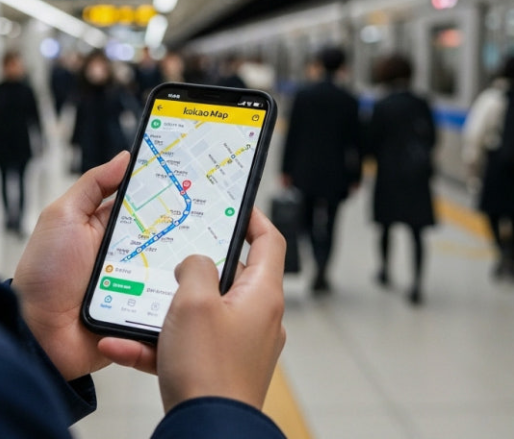
This is a mistake almost every visitor makes at least once. Google Maps doesn’t work well for Korean transit directions. Naver Map or Kakao Map should be downloaded before the trip instead, and both support English search surprisingly well.
Once a destination is entered, check the suggested subway line, transfer station, and exit number. Then follow the numbered exit signs once you arrive.
The Exit Number Habit Locals Use
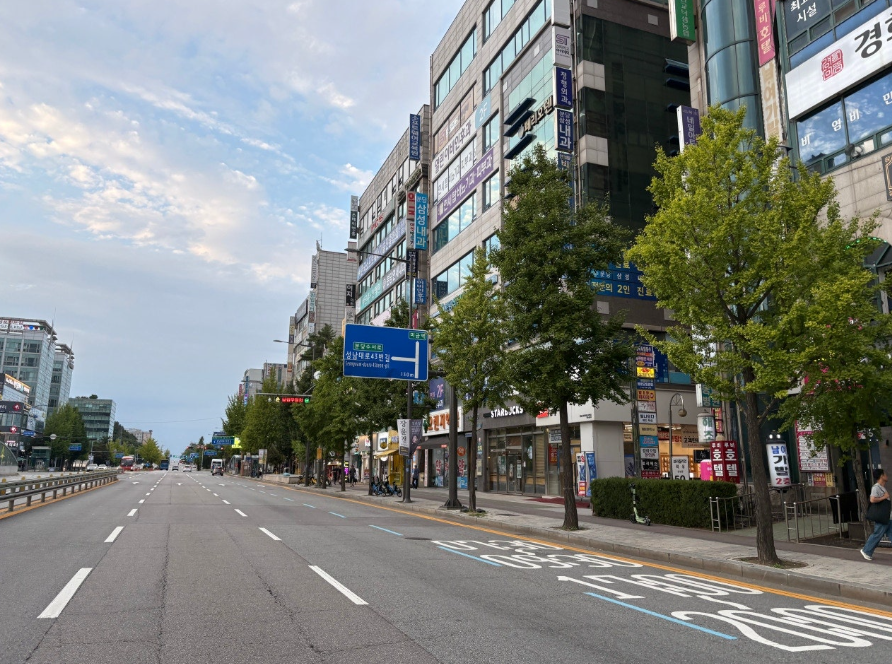
Koreans rarely give directions by street name. They say “come out exit four” instead. Visitors who adopt this habit find cafes and restaurants much faster than relying on street names alone.
Transfers Take Longer Than Visitors Expect
Transfer stations can involve a lot of walking, sometimes five minutes on foot underground. This surprises visitors coming from smaller cities, where transfers usually happen almost instantly.
Following the colored line signs on the ceiling and floor leads directly to the next platform. Trusting the signage over instinct usually avoids getting lost.
Subway Etiquette Foreigners Often Miss
- Giving up pink seats for pregnant passengers without being asked
- Standing on both sides of the escalator during rush hour, since the old walking-lane habit was stopped for safety
- Keeping phone calls short and quiet inside the train
- Lining up neatly at the marked spots on the platform floor before boarding
None of these are strict laws, but skipping them tends to stand out to locals more than visitors realize.
Related Posts
👉 10 Korean Customs Every Foreigner Should Know Before Visiting Korea
Common Questions Foreign Visitors Have
Does the subway run late at night?
Most lines stop around midnight, with the last trains leaving key stations slightly later on weekends.
Is it safe for solo travelers?
Extremely safe, even late at night, which often surprises visitors coming from larger cities elsewhere.
Can the same card be used for buses?
Yes, and transfers between bus and subway within a set time window are discounted automatically.
The Seoul subway looks complicated on paper, but the learning curve moves fast once the basics click. Getting a T-money card, downloading Naver Map, and understanding the exit-number system covers almost everything a first-time visitor needs to navigate the city confidently.