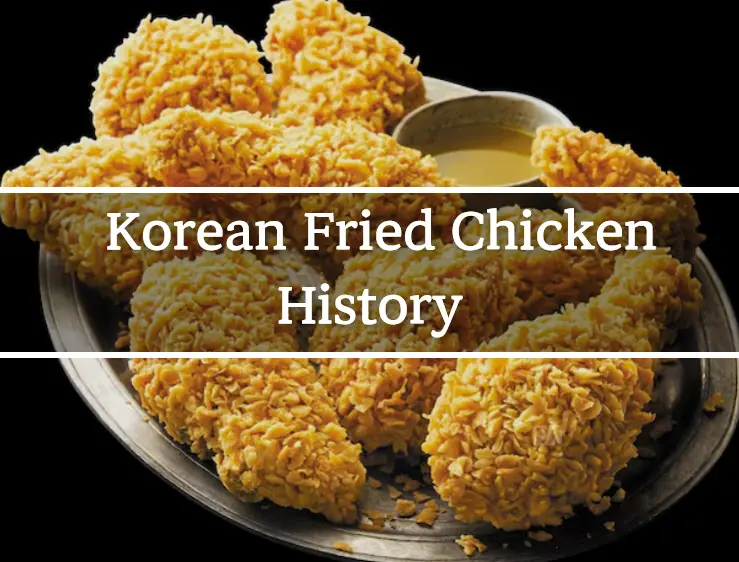
Korean Fried Chicken History: How Korea Became a Chicken Kingdom
Korean fried chicken history goes back further than the delivery boxes most people associate with it. And it didn’t begin with fried chicken.
Some people in Seoul who are now in their forties or fifties still remember their fathers coming home with a whole chicken in a yellow paper bag. Back then, it was often an electric-roasted chicken.
These days, ordering chicken in Korea usually means something very different. The change didn’t happen overnight, though. It took a few decades.
Chicken Was Sold in Seoul Long Before Anyone Fried It
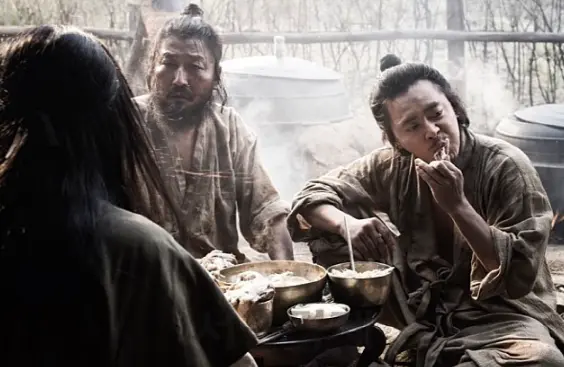
When Seoul was still called Hanyang, the main streets had chicken stalls called dakjeon. They turned up next to the licensed markets and the unlicensed stalls that grew around them, almost every time.
There was a practical reason for this. Pork spoiled easily and was only sold during certain seasons. Beef, meanwhile, was difficult to sell outside the days permitted by the state, at least until the late Joseon period. A chicken could sit on display alive, so nothing rotted, and it could be raised without much special feed.
An early Joseon cookbook called Sangayorok also mentions a chicken dish called pogye. Some people connect it to the history of fried chicken, but the actual cooking method sounds more like pan-searing to me. The chicken is cut small and turned quickly in a hot pot with a little oil. Oil was too precious back then for deep frying, except maybe in royal court cooking, so I wouldn’t call it the ancestor of anything you’d get in a bucket.
Roast Chicken Came First
Western chicken breeds were introduced to Korea during the Korean Empire period, including through foreign missionaries. This continued during Japanese rule. After liberation, poultry farming began to develop into an industry, and the variety of chicken dishes grew.
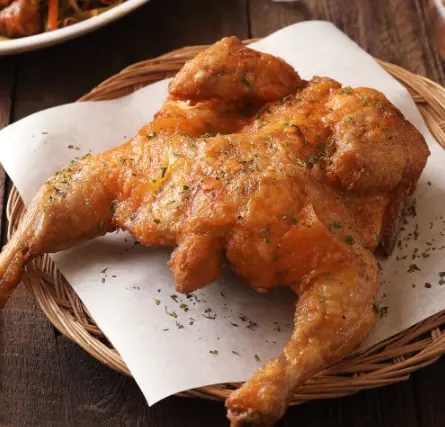
Electric-roasted whole chicken, made in a European style, appears to have become popular in Seoul during the colonial period. After that, it became a familiar part of city life. This is the chicken many older Seoul residents remember from those yellow paper bags.
Why “Old-Fashioned Chicken” Isn’t That Old
When you see yetnal tongdak (old-fashioned whole chicken) on a shop sign, you might think the recipe is hundreds of years old. That’s not really what the name means. It refers to chicken that was lightly dusted in flour and fried in oil in the 1960s and 70s.
The flour and oil used for this style of chicken were relatively cheap imports, including supplies brought in through US aid. The cooking method belongs to the postwar period. So in a historical sense, calling it “old-fashioned” is a little misleading. Frying at that scale wasn’t possible earlier, because oil was scarce.
Once large amounts of soybeans and corn started arriving from the US in the 1960s, oil got cheaper and frying became realistic. Later came American pressure fryers and seasoned coating powder, and that changed what people expected fried chicken to taste like. Franchises using something similar caught on quickly in Seoul.
Beer Was There From the Start
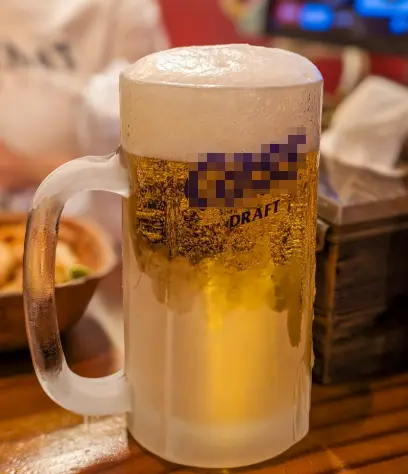
In the 1970s, fried chicken was closely connected to the growing popularity of draft beer. At the time, people were more likely to eat it as a snack while drinking than as a family dinner with their kids. OB and Crown were competing in the beer market, and their supply relationships with chicken shops helped create the setting for what we now call chimaek: chicken and maekju, or beer.
The 1980s: Delivery and a Higher Price Tag
By the 1980s, chimaek had become one of the big things in eating out. Chicken franchises kept opening, and in Gangnam, a few American-brand chicken restaurants were doing well.
It’s easy to forget that fried chicken was actually expensive at the time. Chicken meat wasn’t cheap the way it is now, and since brands hadn’t started competing on price yet, shops could charge a lot.
Delivery changed how people ate fried chicken. Before that, most people ate at the shop or brought it home themselves. During the 1980s, delivery services began to expand, and more companies started competing in the market.
The 1986 Asian Games and the 1988 Seoul Olympics came during this period, as did changes in the way people spent their free time and ate out. Fried chicken gradually became part of family dinners, takeout meals, and delivery orders.
What Came Alongside the Chicken
Early fried chicken came with salt, and the salt was mixed with pepper. Chicken radish (chikin-mu) was already part of the plate. Another side at the time was shredded cabbage with ketchup, or ketchup mixed with mayonnaise, which people called Thousand Island dressing even though it wasn’t quite that.
If you’re only familiar with today’s chicken meals and their little cups of pickled radish, ketchup cabbage might sound unusual. But it was a popular side dish back then.
Soy, Garlic, and Yangnyeom Change the Menu
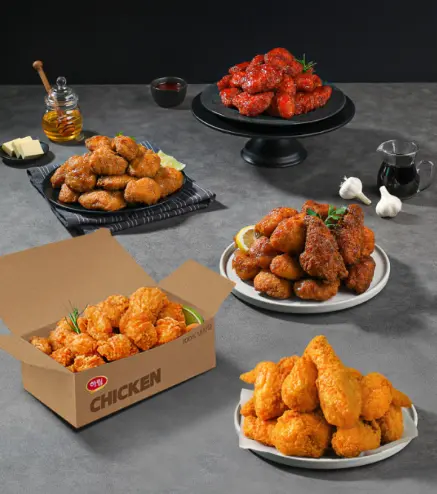
Yangnyeom chicken came later, developed by a franchise company. The sweet and spicy sauce added a different flavor to fried chicken, and it eventually became a standard option alongside plain fried chicken. Soy sauce chicken, garlic chicken, and green onion chicken appeared after the 1990s, and after those, all kinds of variations started multiplying.
After the IMF crisis, more people entered the fried chicken business. The relatively simple cooking process made it an option for people looking to start a small restaurant. This helped shape the fried chicken culture we know today, with affordable menu options, delivery, and a growing variety of flavors. More localized flavors followed, with names like Jamaica chicken and Maraan.
Chicken Outside Korea
There are a few other developments worth mentioning. Korean dramas have made chicken feel like part of the tourist experience for some visitors. Food companies in the Philippines have bought into Korean coffee and chicken franchises. And in Indonesia, Korean ramen has done well as food culture gets adapted locally.
I can’t say how large any of these markets are, so I’ll leave the numbers out. Still, the spread of Korean chicken and other food trends overseas is worth keeping an eye on.
A Note on the Old Shops
Seoul’s fried chicken shops generally don’t have the same long history as restaurants serving dishes like haejangguk or seolleongtang. Some chicken shops have stayed in the same neighborhoods for a long time, though, and some people make a hobby of touring them.
Fried chicken has been part of everyday food culture in Korea for decades. Some of the sides that once came with it, like ketchup cabbage and pepper salt, are harder to find these days.
I wonder what today’s chicken meals will look like fifty years from now.
👉 What Eating Alone Actually Looks Like in Seoul
👉 Tteokbokki – What Is Tteokbokki? Everything Foreigners Need to Know