
Everyday Life in Korea: 10 Things That May Surprise Foreigners
Everyday life in Korea is mostly just normal life to me, and I don’t notice most of these things until I try to picture a first-time visitor running into them. I’ve never really questioned them. They’re things I grew up with.
So I started thinking about the ones that might make me stop and ask, “Wait, why do you do it like that?”
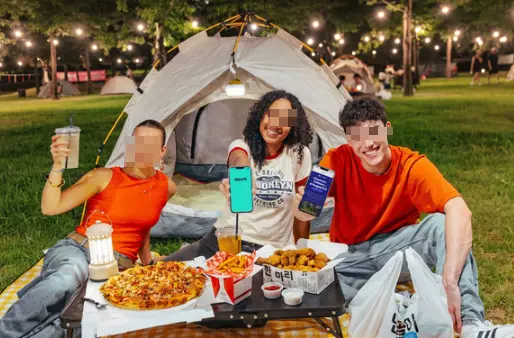
1. Delivery Finds You Almost Anywhere
In Korea, delivery doesn’t necessarily mean your front door. I’ve seen people have fried chicken delivered to a park bench. You drop a pin somewhere near your spot, and the rider comes looking for you. Han River parks are full of picnic mats with delivery bags next to them.
Delivery fees add up if you order every night. Nobody really thinks twice about it, though. You can order chicken on a weeknight and that’s it.

2. Phones and Laptops Sit Unattended on Café Tables
One thing that might surprise you is what people leave on café tables. A laptop, a phone, maybe a notebook, all sitting there while the person is off getting a drink or using the restroom. That’s how they hold the seat.
I’ve seen people do this plenty of times, although I wouldn’t leave anything really valuable there for long. A passport on a table is asking for trouble.
3. Someone Will Ask How Old You Are
This one still bugs me a little.
Part of the reason is the way people speak to each other in Korean. Age can affect which level of speech you use, so “How old are you?” can come up surprisingly early, sometimes before the small talk has even started. It isn’t meant to be nosy. The person is just trying to work out how to talk to you.
In 2023 the country moved to the international age system for most legal and official purposes, but in casual conversation people still ask the birth year, since that’s what settles who is older.
If you don’t want to answer, you can laugh it off or give a vague answer. Many people won’t make a big deal out of it.
4. You Pay for Your Trash Bags
If you live in Korea for a while, you’ll eventually have to buy special garbage bags. They’re sold at marts and convenience stores, and they aren’t regular plastic bags. The price includes part of the garbage disposal cost, so larger bags cost more.
Food waste is sorted separately, and buildings have their own bins or collection points for it. Recycling is separated too, with plastic, paper, glass and cans each going their own way.
The exact rules can be different depending on where you live, so I always check the building’s instructions when I’m somewhere new. If you’re in a hotel you’ll never see any of this. In a rental apartment, you will.
5. Shoes Come Off at the Door
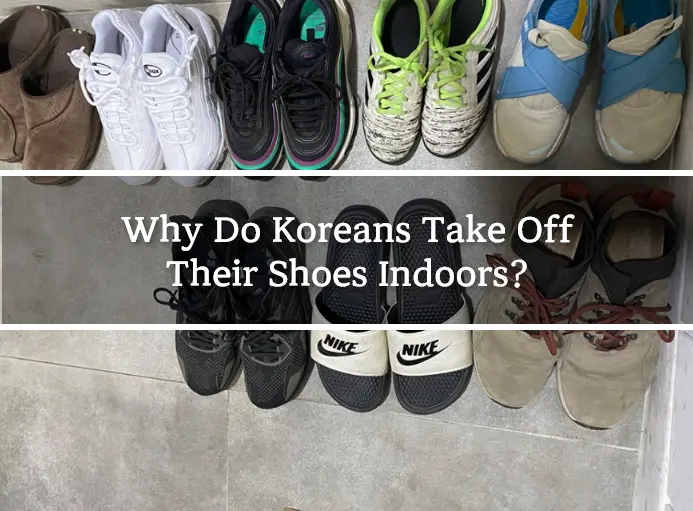
Shoes come off at home, and also at some guesthouses, traditional restaurants and other places where people sit on the floor. There’s a little raised step at the entrance. That’s your cue to take your shoes off.
Floors are heated in many homes through a system called ondol, and people sit, eat and sometimes sleep on them. Walking barefoot on a warm floor in January is something I’d miss if I lived somewhere else.
Socks get worn out fast, though.
6. No Tipping, and a Button on the Table
One thing you don’t really have to worry about in Korea is tipping. You pay the price on the bill, and you don’t need to add anything extra at the end. If you leave money on the table, someone might chase you down the street to give it back.
Many restaurants also have a small call button on the table. You press it when you need something, instead of trying to catch a server’s eye. It feels rude the first time and then it’s just how it works. Water is often self-serve, and side dishes at many places get refilled if you ask, sometimes without charge.

7. Convenience Stores Are Small Restaurants
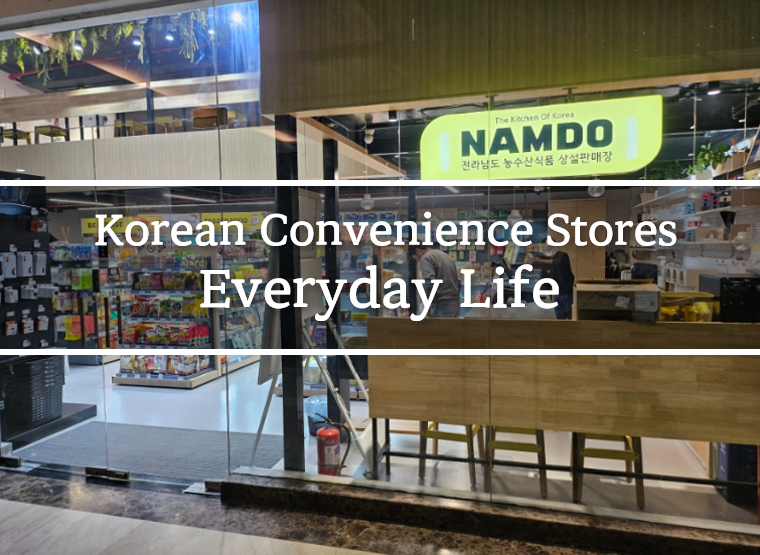
Some convenience stores almost feel like tiny restaurants. There’s a counter by the window, a hot water dispenser, and a shelf of instant noodles close by. People cook the ramen right there and eat it looking out at the street. Triangle kimbap, packaged salads and boiled eggs sit in the fridge nearby.
I wouldn’t call it the best meal you’ll have in Korea. But at midnight, after walking around all day, a cup of ramyeon and a seat by the window can feel pretty good.
Getting around Korea is pretty simple once you have a T-money card. It works on subways and buses in many cities, and you tap it on the reader when boarding. In the Seoul area, if you’re transferring to another bus or the subway, tap again when you get off, because that’s what makes the transfer discount count. The annoying part is remembering to tap off.
You’ll also see the priority seats near the doors. Even when the subway is packed, people often leave those seats alone. The pink ones are set aside for pregnant passengers.
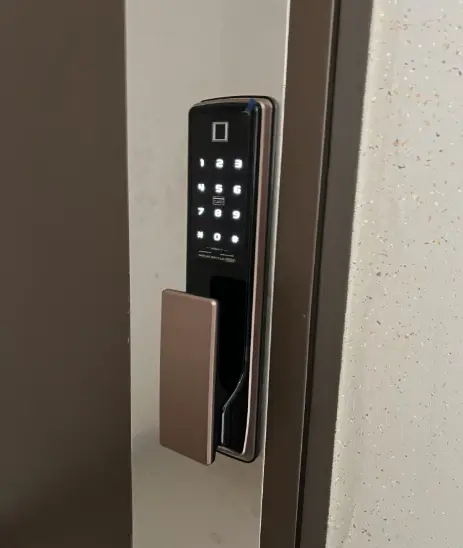
9. Front Doors Have Keypads
Keys aren’t always a thing in Korean apartments. Many have a keypad on the door: you type a code and it beeps. If you’re staying somewhere short-term, the host will often just send you the door code by text.
I like this part. No fumbling for keys with a bag of groceries in your hands.
The only annoying thing is that these locks run on batteries. Many have a backup way to power them from outside, so ask the host how it works before you head out for dinner.
10. A Dinner Doesn’t Always End at the Dinner
There’s a word, “2-cha,” meaning second round. After dinner people might go to a bar, then maybe a third place, or a singing room where you rent a private booth by the hour. Nobody announces the plan ahead of time. It just kind of happens.
It took me a while to realize that I almost never planned the whole night in advance. Dinner was just dinner. Then someone would say, “Should we go somewhere else?” and suddenly the night wasn’t over. You can leave whenever you like, and people generally understand.
I’m sure there are plenty of other things I could add. The things that might seem strange to a visitor are often the ones I don’t even notice anymore.
👉 Do You Tip in Korea? Why You Usually Don’t Need To
👉 Is Tap Water Safe to Drink in Korea? What Actually Happens at Restaurants