Things to Know Before Going to Korea: 10 Tips for Your First Trip
Install Naver Map or KakaoMap before you fly, and bring some Korean won in cash. Those two things prevent most of the trouble first-time visitors run into. The rest of this list covers taxis, tipping, table manners, trash cans, and the entry rules you should check before you book.
Apps and Getting Online
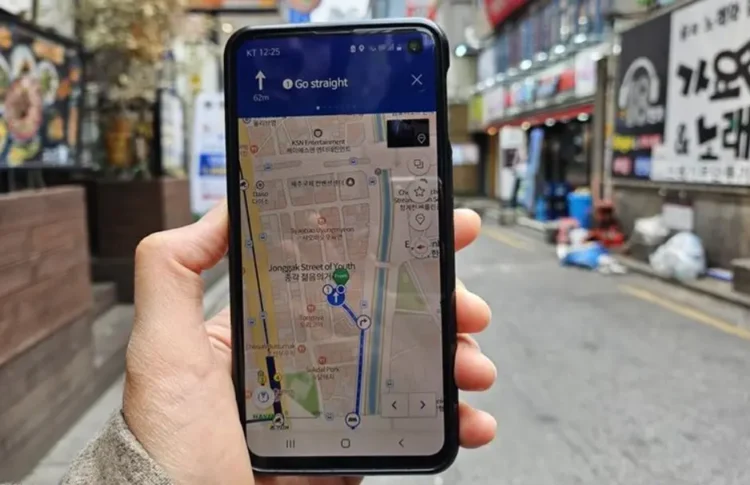
Google Maps works in Korea for place listings, reviews, and public transit routes. However, turn-by-turn walking and driving navigation is limited, and walking segments of transit routes are often displayed as dotted lines. Korea conditionally approved Google’s request to export detailed map data in February 2026, and Google has said it plans to add navigation. As of late August 2026, no launch date had been given.
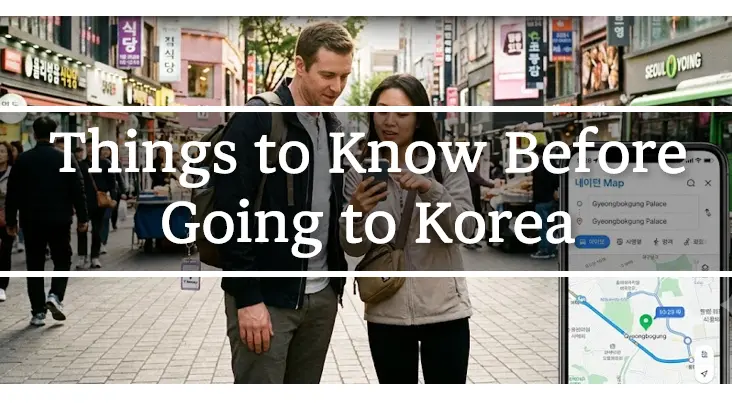
So for now, put Naver Map (English interface available) or KakaoMap on your phone before you leave home. Both give walking, bus, and subway directions. Keep Google Maps for restaurant searches and reviews.
2. Get a Translation App and a Taxi App
Papago handles Korean better than most general translators, especially for menus and signs. Download it and the Korean language pack before the trip.
For taxis, Kakao T is the app Koreans use, but a foreign phone number and card don’t always get through its sign-up checks. Kakao Mobility also offers a separate app for visitors called K.Ride, and Uber works in Korea too. Whichever you choose, set it up and add your card at home, because receiving a verification text on airport Wi-Fi can be slow. Check the fare estimate in the app before you confirm the ride.
3. Sort Out Mobile Data Before You Land
All of the above needs a connection. An eSIM or a pocket Wi-Fi device booked in advance means your maps work the moment you leave the airport.
Money and Transit
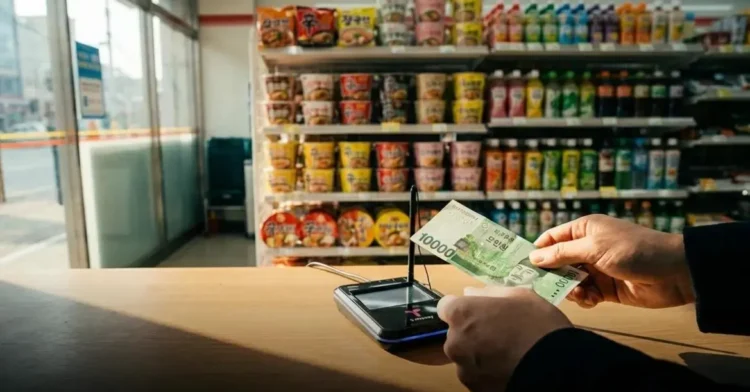
4. Carry Some Cash for T-money
Cards are accepted in most shops and restaurants in Korea. However, reloading a T-money card at convenience stores generally requires cash. A T-money card can be bought at convenience stores (CU, GS25, 7-Eleven), subway stations, and the airport, but topping it up at a convenience store counter generally takes Korean won cash. Some newer station machines accept foreign cards, though that varies, so don’t count on it for your first ride.
Many guides suggest starting with ₩10,000 to ₩20,000 for the first day and topping up as you go. The minimum top-up is ₩1,000, and the card holds up to ₩500,000. Unused balance can be refunded at certain convenience stores, usually for a small fee.
Cash also helps at traditional markets and some street food stalls.
5. Skip the Tip
Tipping isn’t part of the culture in Korean restaurants, taxis, or hotels. Service is already built into the price, and leaving money on the table can cause confusion. If a server runs after you with the cash you left behind, they’re trying to be helpful.
You might also like:
- English Personal Color Analysis in Seoul: How to Book and What to Expect
- Are Credit Cards Widely Accepted in Korea? What to Carry Besides a Card
- Daiso Korea Must Buy: K-Beauty and Souvenirs Under 5,000 Won
- Is K-Beauty Cheaper in Korea? Prices, Tax Refund and Sales Compared
Manners and Dining
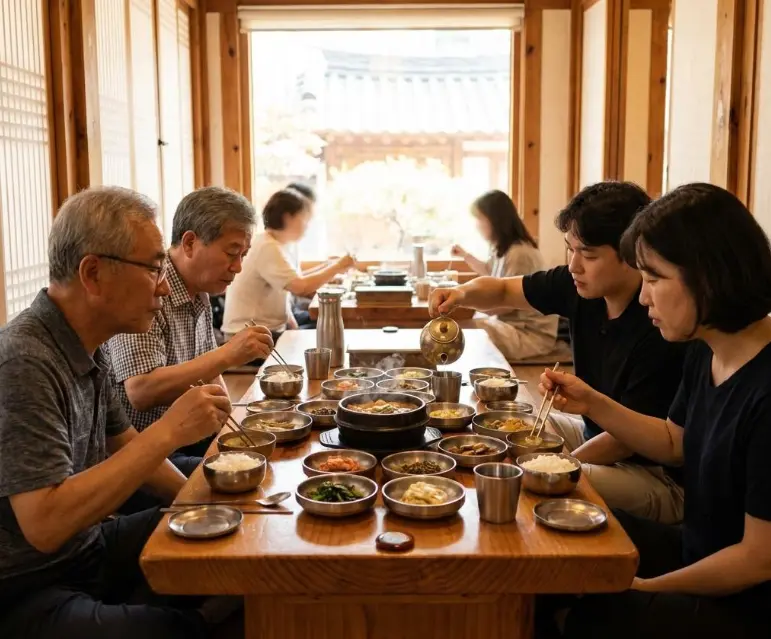
6. Take Your Shoes Off When the Setting Calls for It
Homes, some traditional restaurants with floor seating, and temple stay accommodations expect you to remove your shoes. A raised floor level or a shoe rack near the entrance is the usual sign. Wear socks without holes on days you’re likely to visit one of these places.
7. Keep Chopsticks Out of Your Rice
Standing chopsticks upright in a bowl of rice resembles incense offered at ancestral rites, so it’s considered bad manners at the table. Rest them on the chopstick rest or the side of your plate when you pause.
8. Use Both Hands With Elders
When you hand something to an older person, receive something from them, or pour a drink, using both hands shows respect. Holding your forearm or supporting your elbow with the other hand works as well.
9. Leave Priority Seats Empty
Seats marked for older adults, people with disabilities, and pregnant passengers are usually left open on buses and subways, even when the car is nearly empty. Regular seats are fair game.
Before You Go
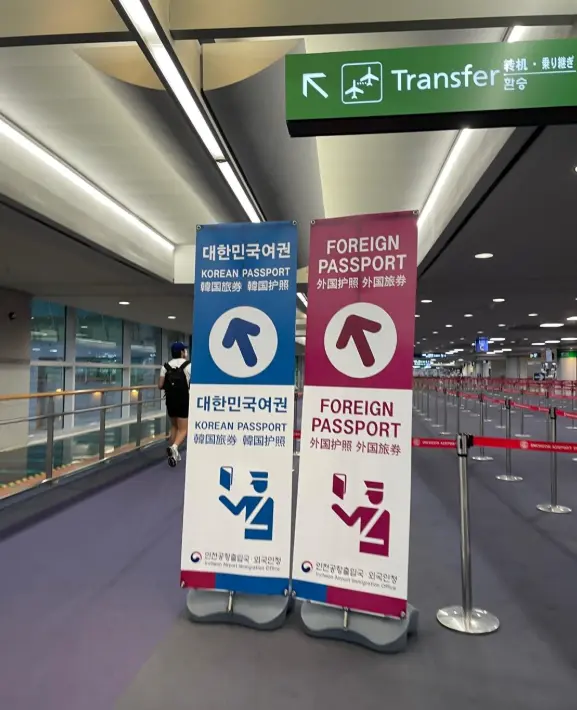
10. Check K-ETA Rules for Your Passport
Whether you need a K-ETA depends on your nationality. South Korea extended its temporary K-ETA exemption to December 31, 2026, and it covers travelers from the United States among other countries. Visitors from countries outside that list still need to apply before boarding. Applying anyway is optional for exempt travelers, and a K-ETA holder may skip the separate electronic arrival card.
The exemption has an end date, so if your trip is in 2027 or later, look at the official K-ETA site (k-eta.go.kr) close to departure.
A Note on Trash
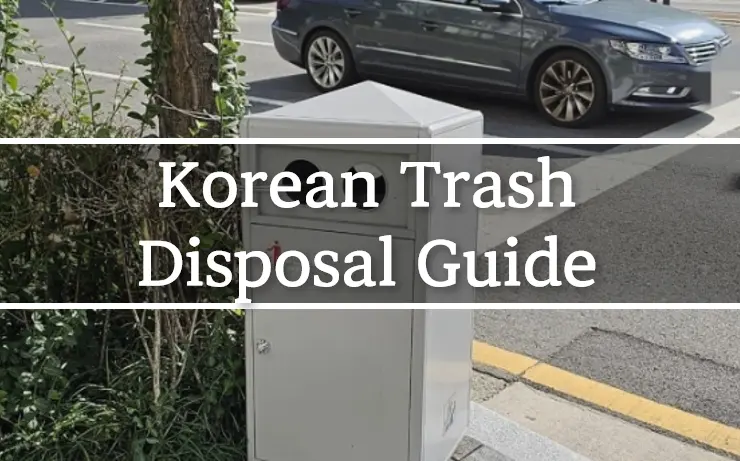
Public trash cans are scarce on Korean streets. Convenience stores and subway stations are the usual places to find one, and many visitors end up carrying a small bag for wrappers and cups. Littering rules exist, so holding onto your trash until you reach a bin is the safer habit.
If you’re planning the first two days now, a map app, a T-money card, and a few thousand won in your pocket will cover more than you’d expect.
Sources:
- TechCrunch: South Korea opens the door for Google Maps
- The Korea Herald: Google builds Korea team for full-functioning Maps service
- Korea MOFA notice: K-ETA temporary exemption extension