
Are Credit Cards Widely Accepted in Korea? What to Carry Besides a Card
Yes, credit cards are widely accepted in Korea. Restaurants, cafés, convenience stores, department stores and hotels take foreign Visa and Mastercard cards without trouble in most cases. Foreign credit cards work in most everyday settings, but there are still a few exceptions: subway gates, some street food stalls, and self-order kiosks that don’t accept overseas-issued cards. In most cases, a foreign card and a small amount of Korean won are enough for a trip. A foreign card plus a small amount of Korean won covers nearly all of it.
How Common Cash Is in Korea
Korea’s central bank runs a survey on how adults pay in physical stores. In its 2024 results, cash accounted for 15.9 percent of transactions, behind credit cards at 46.2 percent and debit cards at 16.4 percent (Korea Herald summary of the Bank of Korea survey). Cash use was far higher among people over 60 than among people in their 30s to 50s. That survey covers Korean residents, so it says little about how a foreign card behaves, but it does explain why many shops no longer bother with cash.
Where Foreign Credit Cards Work
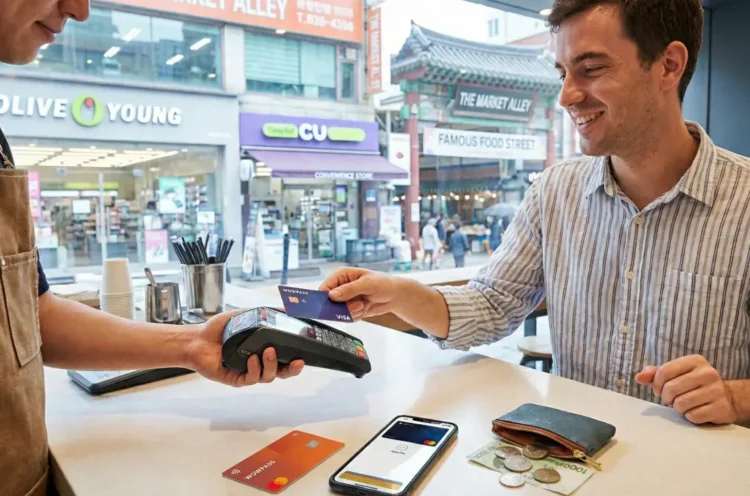
Foreign-issued Visa and Mastercard cards are accepted at restaurants, cafés, convenience stores, department stores, hotels and many taxis (How to Pay in Korea as a Tourist, K-Actually). Insert the chip card or tap it, and the payment goes through like any other.
Problems show up in a few places:
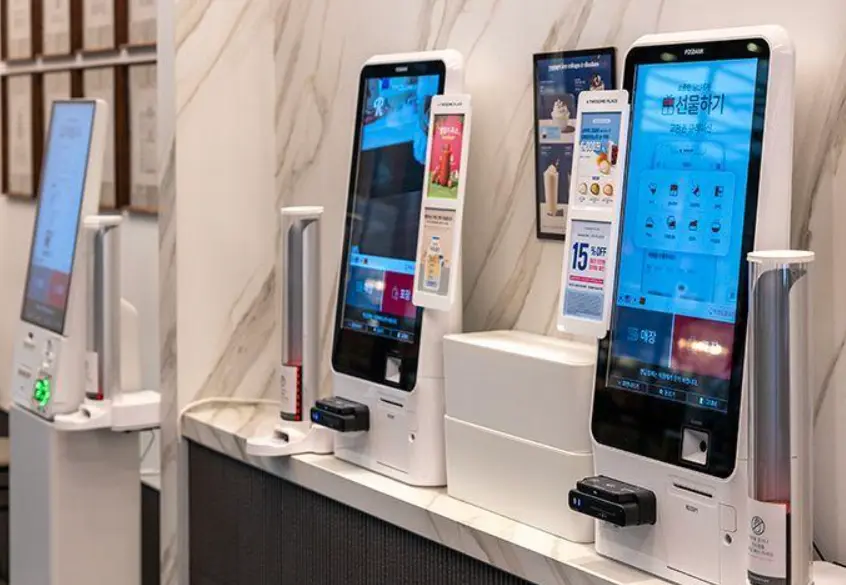
- Self-order kiosks at small restaurants and cafés, some of which are built for Korean cards only
- Older payment terminals at small independent shops
- Some app-based payments, where the app asks for a Korean card or phone number
If a kiosk rejects your card, the counter usually works. If a kiosk rejects your card, try paying at the counter instead. Staff may be able to process the payment through a standard terminal.
Delivery apps have been changing. Baemin, one of the largest, announced that from June 2, 2026 its Apple Pay checkout would accept overseas-issued Visa, Mastercard, JCB and Amex cards (Asia Business Daily). Other apps vary, so test the checkout before you’re hungry.
Apple Pay works at terminals that support contactless payment, and not every small shop has one. Carry the physical card as well.
Where You Still Need Cash
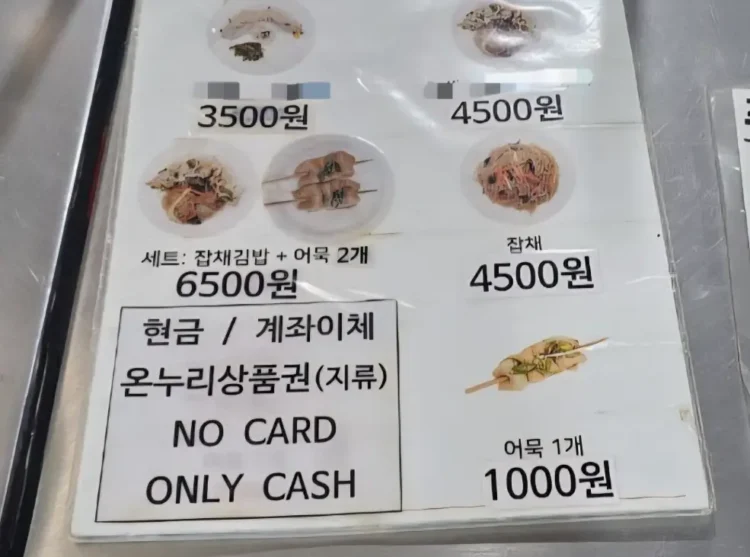
Some traditional market stalls and street food vendors take cash only, and others take cards, so it differs from stall to stall. T-money transit cards are also topped up with cash at many machines, which matters more for the next section.
A few cash-only moments are easy to run into: a snack stall at a market, a small purchase where the vendor waves off the card, or a locker or coin-operated machine. For a one-week trip, ₩50,000 to ₩100,000 in cash is a reasonable starting point, though the amount you’ll need depends on your itinerary. This is a practical estimate, not an official recommendation. Bring more if you plan to visit traditional markets or smaller towns where cash may be more useful. Plan on more if your itinerary leans toward markets outside Seoul.

Paying for the Subway and Buses
Public transportation is one area where payment options changed in 2026, so check the publication date when reading older guides.
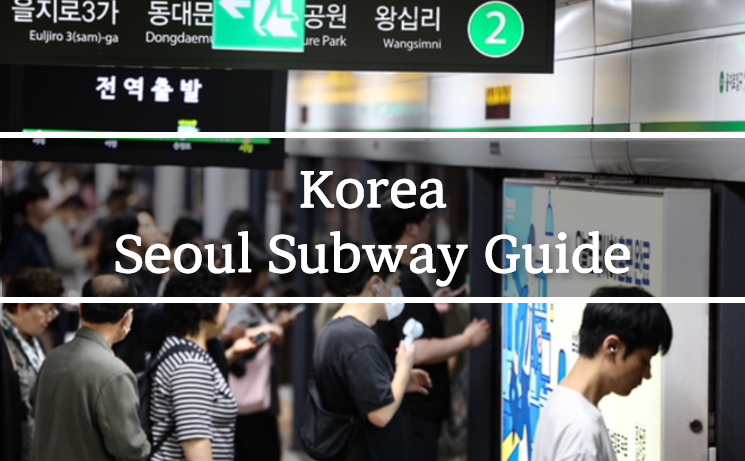
Since March 17, 2026, about 440 ticket machines at 273 stations on Seoul Subway Lines 1 to 8 accept foreign-issued credit and debit cards. They sell single-journey tickets and the Climate Card, an unlimited pass for Seoul (Seoul subway guide, Luggagent, Foreign Cards on Seoul Subway, Koursea). What you still can’t do is tap a foreign contactless card on the gate itself.
Recommended Reading:
- Daiso Korea Must Buy: K-Beauty and Souvenirs Under 5,000 Won
- Is K-Beauty Cheaper in Korea? Prices, Tax Refund and Sales Compared
- Korean Photo Booth Tips: How to Pay, Pose, and Save Your Photos
- Olive Young Shopping List for Beginners: Skincare Picks Worth Buying First
Tmoney, which runs much of the transit payment system, has said it plans to add direct foreign contactless payment on Seoul city buses in 2027, followed by Incheon and airport buses (Korea Herald). Until that arrives, a physical T-money card is still the simplest way to ride.
On an iPhone, Mobile T-money in Apple Wallet is another route. Mastercard announced in April 2026 that Mastercard holders could load a Mobile T-money balance this way (Mastercard press release). Reports at different times disagree on whether Visa is supported, so check the app before you rely on it.
WOWPASS, Travel Wallet and Other Prepaid Cards
A prepaid card can help in the situations where a foreign credit card gets declined.
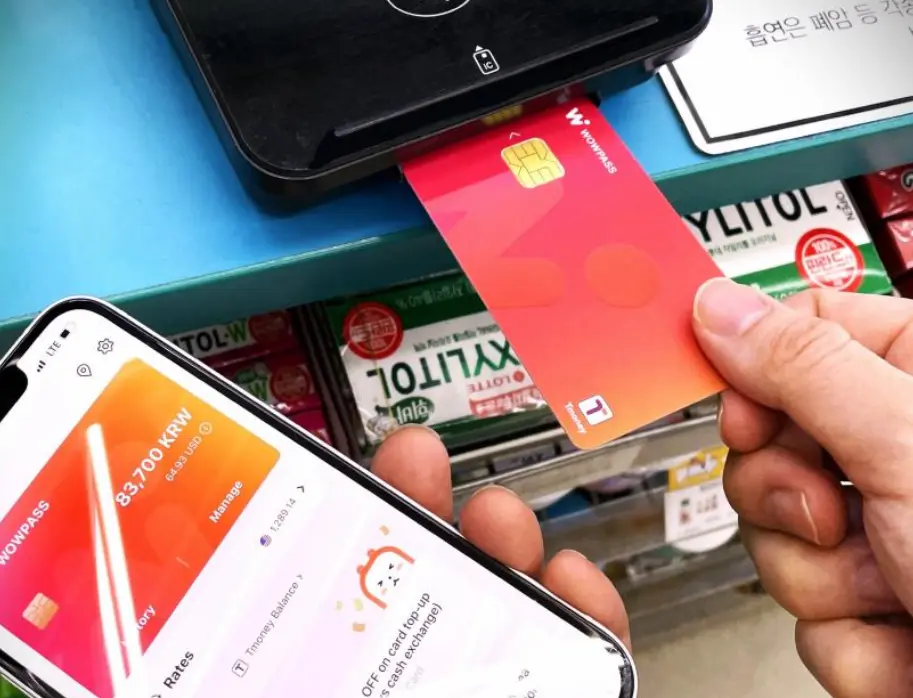
WOWPASS is a prepaid card you load at machines in Korea, including at airports, subway stations and hotels. Its payment balance works at stores that accept Korean cards, by inserting the chip, including stores that don’t accept international cards (WOWPASS guide). It also carries a T-money function, and that is where people get caught: the T-money balance is separate from the payment balance. A full payment balance won’t open a subway gate. The WOWPASS app can move money from the payment balance to T-money, and cash at stations and convenience stores also works (WOWPASS FAQ).
Travel Wallet began as a card Koreans use when traveling abroad. It is now also marketed to visitors coming to Korea as a Visa prepaid card with an app for currency exchange and a Korean transit function, according to its recent promotional material in Japan (example). Because it runs on the Visa network, it may behave more like a foreign Visa than like WOWPASS at a kiosk that rejects overseas cards. I couldn’t confirm that from an official source, so treat it as unverified.
Neither card is required. If your own card works at the places you plan to eat and shop, a prepaid card mostly adds backup.

ATMs and Currency Conversion
Many Korean ATMs only accept local cards. Look for machines marked “Global ATM” or “Global Service,” which are common in airports, subway stations and convenience stores. Reported fees at big-bank Global ATMs run about ₩3,500 to ₩4,000 per withdrawal, and convenience store machines tend to charge more (Cities Insider). Your own bank may add its own fee on top.
Use a debit card for cash. A credit card withdrawal can be treated as a cash advance, with separate fees and interest, so ask your issuer first.
When a terminal or ATM asks whether to charge you in your home currency or in Korean won, choose won. Choosing your own currency triggers dynamic currency conversion, and the rate is generally worse than the one your card network would apply.
What to Pack
One credit card with international use enabled, a second card as backup, and a small amount of won. Add T-money or WOWPASS if you plan to ride the subway a lot, and check the Mobile T-money app if you carry an iPhone. Banks sometimes block foreign transactions unprompted, so it helps to tell yours you’re traveling.
Payment options in Korea continue to evolve, so check the latest transit and payment information before your trip.





One Comment