
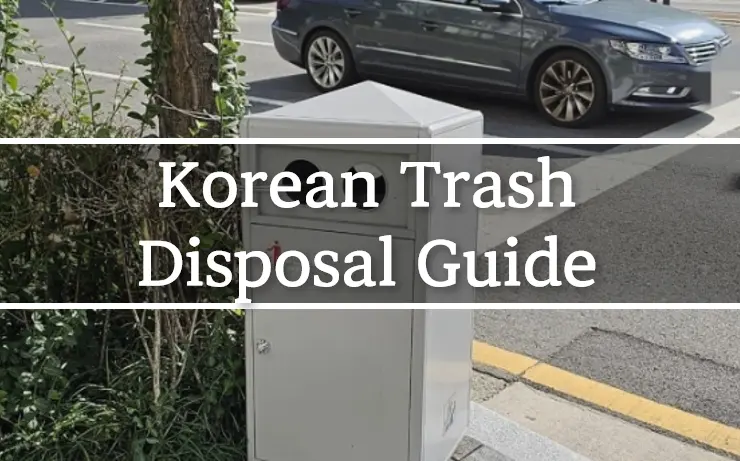
Korean Trash Disposal Guide for Tourists: Street Bins, Trash Bags, and Recycling
This Korean trash disposal guide for tourists comes down to two things. Public trash cans are rare, so you may need to carry small pieces of trash until you reach a subway station or convenience store. At your accommodation, general and food waste go into special government-issued bags, while recyclables are sorted by material.
Most visitors figure this out on day one, usually while holding an empty coffee cup and looking for somewhere to put it.
Why You Can’t Find a Trash Can on the Street
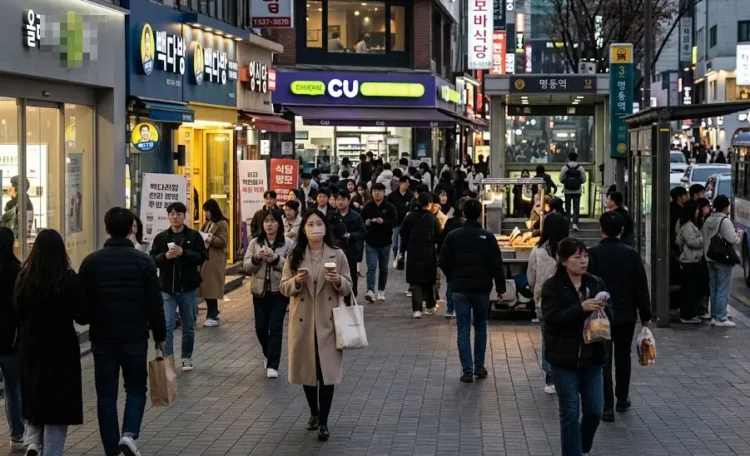
Korea introduced a pay-per-bag waste system in 1995, and most of the street trash cans disappeared around that time. They didn’t really come back. Walk through a busy neighborhood and you’ll see plenty of people, plenty of cafes, and surprisingly few bins.
There are still a few places where you can usually find one:
- Near the ticket gates in subway stations
- Inside or near the entrance of convenience stores
- Around some bus stops, although not all of them
These bins are meant for small things you picked up while out and about, like a napkin, snack wrapper, or drink cup. Don’t bring a bag of trash from your hotel room to a subway station bin. People do it, and it’s the kind of thing that can get noticed.
If you can’t find a bin, put the trash in your bag and wait. It feels a little strange for the first day or two, and then it just becomes normal.
The Trash Bag System (Jongnyangje)
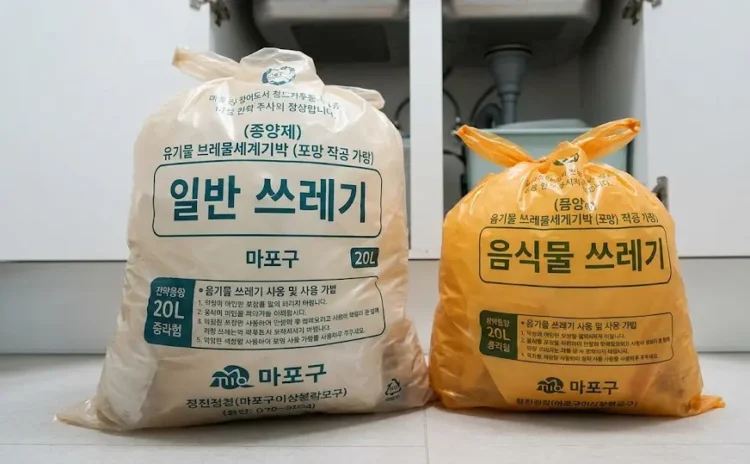
The system is called jongnyangje (종량제), which basically means you pay for your trash by the bag. General waste and food waste both have to go into official bags sold by the local government. A regular plastic bag from a supermarket won’t do.
One detail that catches visitors off guard is that the bags are specific to the district (gu) where you buy them. A bag bought in Mapo-gu can’t be used in Gangnam-gu. So if you’re moving between neighborhoods, don’t stock up on bags in one district and expect to use them somewhere else.
You can buy them at convenience stores like CU, GS25, and 7-Eleven, or at the counter of a supermarket. Just ask for a trash bag, and if you’re not sure, show them the Korean words: 종량제 봉투.
If you’re staying in an Airbnb, your host may already have bags in the apartment. Check under the sink before buying any.

Recycling: Four Words to Remember
The basic recycling rule in Korea is simple: empty it, rinse it, separate it, and don’t mix things together.
It sounds like a lot of work for a single plastic bottle, but it really isn’t. Here’s what it looks like for some of the things tourists throw away most often.
Clear PET Bottles
Peel off the label, rinse the inside, crush the bottle flat, and put it in the bin for clear PET bottles. Those bins are often separate from regular plastic recycling in apartment complexes.
Takeout Cups
This one trips people up because takeout coffee is everywhere in Korea. Pour out any leftover drink and ice first. Then separate the cup, lid, and straw and sort them according to the recycling categories where you’re staying.
Dumping a half-full iced Americano into a recycling bin is a common mistake, and it makes a mess for whoever has to collect it.
Food Waste vs. General Waste
Here’s a simple rule for sorting: can an animal eat it? If yes, it’s food waste. If not, it goes in the general trash bag.
That means these go in the general waste bag, even though they came from food:
- Bones from chicken, pork, or fish
- Hard shells from clams, oysters, crabs, eggs, chestnuts, and other nuts
- Hard seeds, like the pit of a peach or persimmon
- Tea bags and coffee grounds
Bones are the one that feels wrong to me. You just finished a plate of fried chicken, and the bones are food waste in the everyday sense. In Korea’s system, they’re not.
Fruit and vegetable scraps, leftover rice, and similar waste go in the food waste bag, which is also bought locally.
When and Where to Put Trash Out
If you’re staying in a residential area or an Airbnb, there’s usually a set time for putting trash out, generally in the evening, around 8 PM to midnight. There’s also a designated spot, often near the building entrance or in a small enclosed area on the street.
The exact hours can differ by building and district. Ask your host, or look for a notice on the wall near the bins. Hotels handle all of this for you, so if that’s where you’re staying, you can skip this section.
Fines for Illegal Dumping
Leaving trash in the wrong place, or without the proper bag, can result in a fine of up to 1 million won. CCTV is used for enforcement, so don’t assume a quiet back street is safe.
I wouldn’t worry about a stray receipt blowing out of your hand. The fine is aimed at people dumping bags of household trash outside their accommodation.
A Few Things to Keep in Your Bag
- A small plastic bag for trash while you’re out
- The Korean words for trash bag: 종량제 봉투
- A habit of rinsing cups at the cafe before you leave, if they have a sink
None of it takes long. After a week in Korea, you’ll probably find yourself carrying a coffee cup for ten minutes without even thinking about it.
You might also like:
👉 What Not to Do in South Korea: Etiquette and Taboos Foreigners Should Know
👉 Korean Greeting Etiquette: How Koreans Actually Bow, Shake Hands, and Say Hello