Medical Emergency in Korea for Foreigners: Who to Call and Where to Go
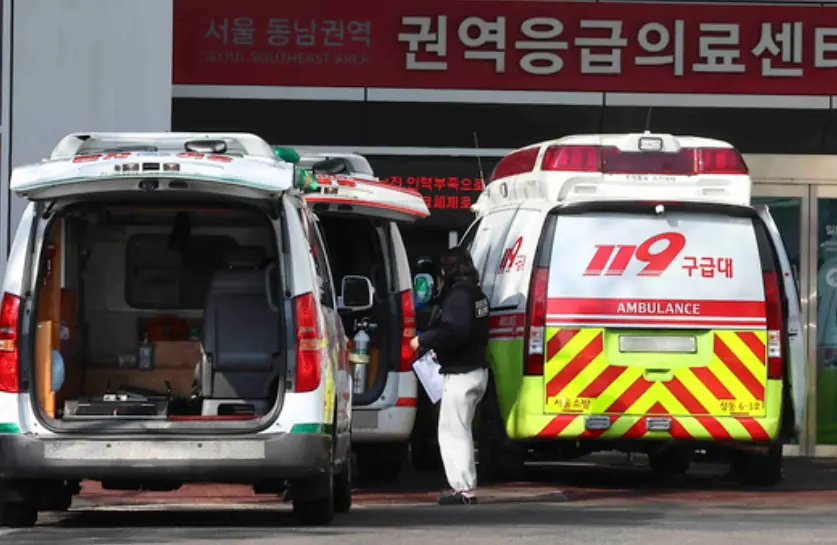
If you have a medical emergency in Korea, dial 119 from any phone. That one number covers ambulances and fire, and a ride in a public 119 ambulance is free of charge. When the dispatcher answers in Korean, say “English” and stay on the line so an interpreter can be added to the call.
The next questions are where to go for emergency care and what you might have to pay if you don’t have Korean national health insurance. This guide covers both, along with the paperwork worth asking for before you leave the hospital.
Calling 119 When You Don’t Speak Korean
- Dial 119. The call connects to a fire department dispatch center.
- Say “English” when someone picks up. Korea’s 119 system has been set up to bring an interpreter into calls from foreigners. Busan’s city government described the three-way setup in 2007, which used volunteer interpreters. The interpreting service may have changed since then, so don’t assume an English interpreter will always be available.
- Give your location first. A road address, a building name, or the nearest subway station and exit number all work. If you’re staying at a hotel, keep its Korean-language address saved on your phone.
- Then describe the patient. Say whether the person is conscious and breathing, whether there is bleeding, how old they are, and whether you know of any existing conditions. Finish with your name and a number where you can be reached.
If you can’t get English help on the 119 line, 1330 is the second number to know. It is the Korea Tourism Organization’s travel helpline, and its English-language pages list English, Japanese and Chinese service around the clock. Korean press has also reported that 1330 runs three-way interpreted calls with the fire agency and police during emergencies. Some local-government pages list shorter hours for 1330, so 119 stays the first call and 1330 the backup.

Is 1339 Still an Emergency Number?
Older travel guides list 1339 as Korea’s emergency medical information line. That role was folded into 119, and Korean press reported that callers to 1339 started hearing a message to use 119 for emergency reports and consultations. Today 1339 is the call center of the Korea Disease Control and Prevention Agency (KDCA). The Korea Times describes it as a 24-hour line for medical consultations and infectious disease reports, with interpreter access.
So for an ambulance, call 119. For a health question that can wait a few hours, such as a late-night pharmacy or clinic, 1339 can help.
Which Emergency Room Should You Go To?
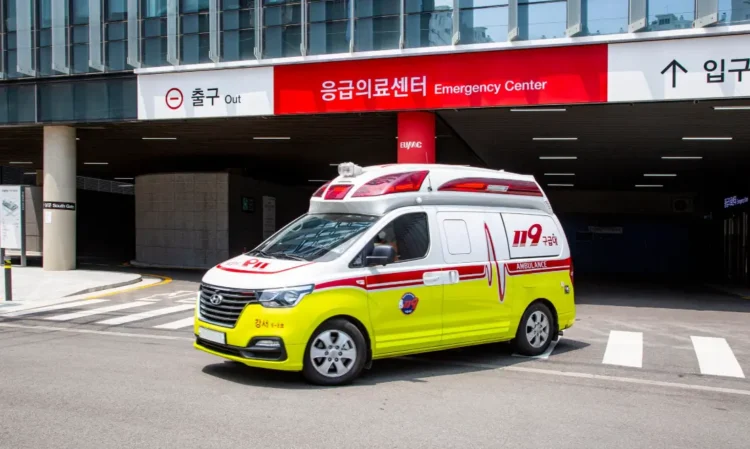
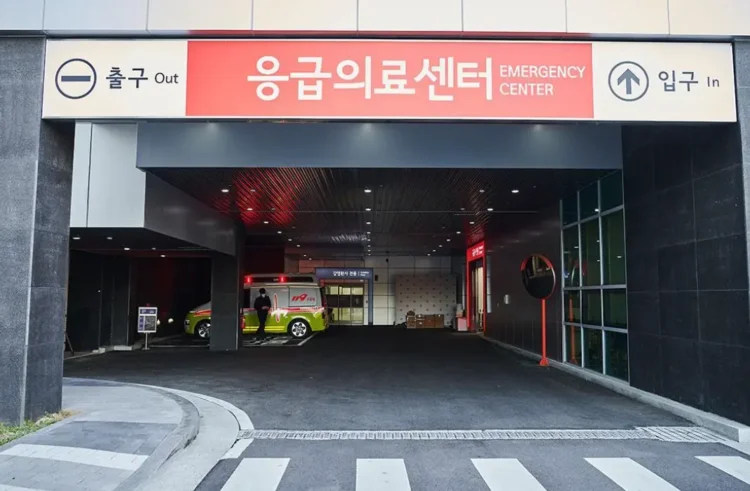
Korean emergency rooms come in tiers. Regional emergency medical centers sit at large general hospitals designated by the Ministry of Health and Welfare, and local emergency medical centers and smaller local emergency institutions make up the rest.
If an ambulance takes you, the crew chooses the destination based on how serious your condition looks, so there is little to decide yourself. The choice matters when you travel to an ER on your own with something that isn’t clearly life-threatening.
Since September 13, 2024, the national insurance copayment at the bigger centers has been steeper for milder cases. Patients triaged as KTAS level 4 or 5 (the Korean triage scale) pay 90% of their ER bill at regional centers. At local centers the 90% rate applies to level 5 only. The Health Insurance Review and Assessment Service gave level-4 examples such as mild urinary pain, mild constipation and hives. At the time, the Ministry estimated that the average mild-case patient at a regional center would pay about 220,000 won instead of 130,000, and about 100,000 won instead of 60,000 at a local center.
That rule changes the national insurance copay, so it applies most directly if you’re enrolled in the system. If you aren’t, expect the hospital to bill you without any insurance discount. For a minor illness or a mild sprain, a nearby clinic or smaller hospital may be more appropriate than a regional emergency center. Chest pain, trouble breathing, stroke symptoms, or a serious injury belong in an ER, and 119 is the right number for them.

What an ER Visit Costs Without Korean Insurance
I couldn’t find an official price list for uninsured patients. The final amount depends on the hospital, the tests, and the treatment, and a figure quoted in one blog post may not match your bill. You can ask the billing desk for an estimate once you’re stable enough to talk about it, and bring a credit card and your passport or alien registration card.
If you have travel insurance, call its emergency assistance line early. Some policies want notice before or soon after treatment, and some pay the hospital directly while others reimburse you later. Your policy wording will say which.
Before leaving the hospital, ask the billing desk for these documents:
- an itemized bill (진료비 세부내역서)
- a payment receipt (영수증)
- a medical certificate or diagnosis document, in English if the hospital can provide one
Insurers differ on what they accept and whether a diagnosis code is required, so check yours. Getting these documents after returning home can be much more difficult.
If You Can’t Pay Right Away
Korea has an emergency medical expense advance payment system (응급의료비 대지급제도, also called 대불제도). The Health Insurance Review and Assessment Service pays the hospital first and bills the patient afterward. Korean health media report that it is open to foreigners, but not when the patient can afford to pay or when the condition isn’t an emergency. The money is a loan, not a grant. If it isn’t repaid by the deadline, the agency can move to seize income or assets, and the repayment obligation extends to the patient’s spouse and certain close relatives.
Hospital staff may not bring this up on their own. A 2025 news report cited a Ministry survey in which only about 27% of adults had heard of the system. If you need it, say the Korean name at the billing desk and ask whether the hospital can apply.
Need Help Tonight, but It’s Not an Emergency
- 24-hour convenience stores sell a basic range of over-the-counter medicine, such as products for indigestion or menstrual cramps (Korea Times).
- 1339 can point you to late-night pharmacies and after-hours clinics.
- 1330 can interpret a call to a clinic or help you find tourist-facing medical information.
- Danuri Call Center (1577-1366) offers interpretation, including three-way calls, to foreign residents around the clock, according to the UK government’s Korea travel advice.
Put 119 and 1330 in your phone before you need them, and keep your hotel’s Korean address within reach. Emergency-room rules and fees have changed more than once in recent years, so it’s worth checking the Ministry of Health and Welfare and your insurer’s current terms before relying on any single number here.
Articles you might find helpful:
👉 Incheon Airport to Seoul at Night: Late-Night Bus Routes, Fares, and Where to Board
👉 Credit Cards in Korea: Where You Can Use Them and When You’ll Still Need Cash
👉 Korea eSIM vs SIM Card: Which Should You Buy Before Your Trip?