
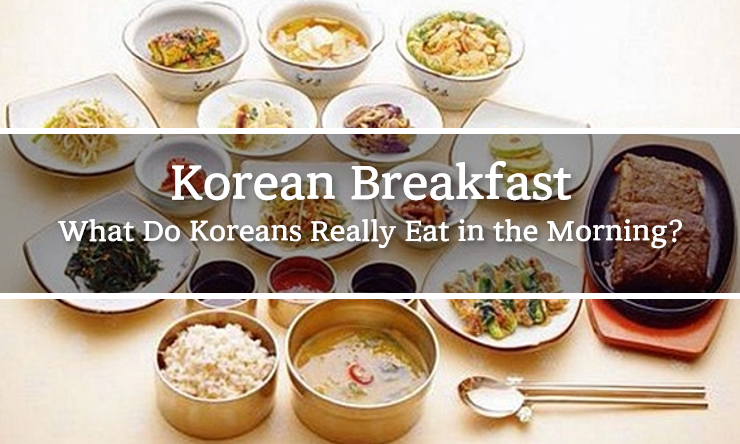
Korean Breakfast – What Do Koreans Really Eat in the Morning?
Korean Breakfast – What Do Koreans Really Eat in the Morning?
I used to think Korean breakfast was some elaborate spread with ten side dishes and a perfectly balanced rainbow of vegetables. Then I actually became a dad. Now my mornings look nothing like a Pinterest board, and honestly, that’s the real story nobody tells you about Korean breakfast.
If you’ve ever wondered what Korean breakfast actually looks like on a random Tuesday — not the fancy restaurant version, but the real one — you’re in the right place. I’m raising a 6-year-old daughter here in Korea, and our mornings are chaotic, fast, and surprisingly simple. Let me walk you through what a typical Korean breakfast really is, based on my own kitchen table.
Is Korean Breakfast Really That Different From Western Breakfast?
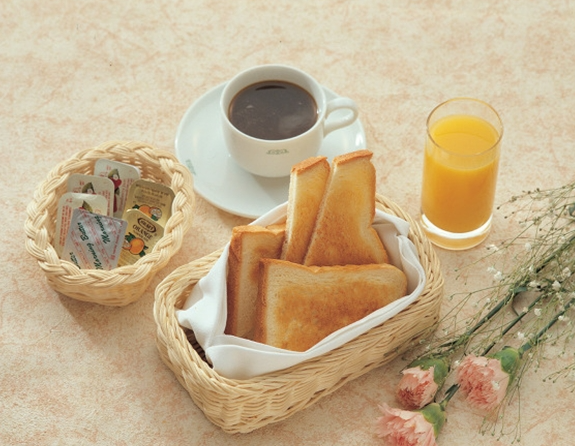
Honestly, not as much as people assume anymore. A lot of Korean households, including some of my friends, have shifted toward Western-style mornings. Bread, toast, cereal with milk, a handful of nuts — that’s become totally normal, especially for busy parents.
But here’s the thing that almost never disappears from a Korean table: soup or stew, and kimchi. No matter how modern or rushed the household gets, these two tend to survive. It’s almost a cultural reflex at this point.
What a Typical Korean Breakfast Table Looks Like
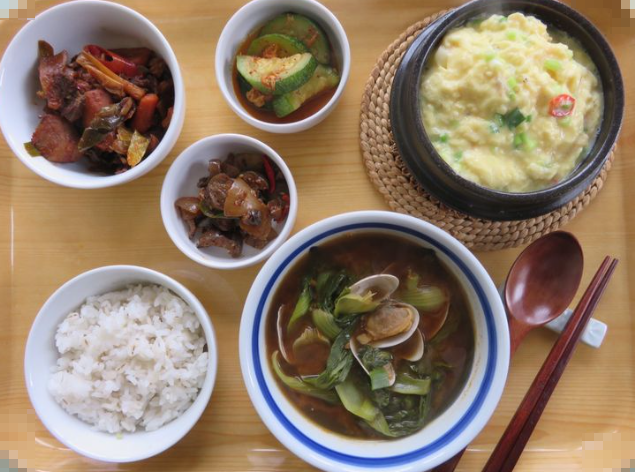
Forget the huge banchan spreads you see in Korean restaurants abroad. Real Korean breakfasts are way more modest. In most homes, you’ll typically find:
The Basics
- One soup or stew (guk or jjigae)
- Kimchi, always
- Two or three simple side dishes (namul, or frozen convenience foods from the mart)
- A bowl of rice
The Rice Itself
Plain white rice is common, but plenty of families — mine included — mix in brown rice or barley, usually somewhere between 10% and 30%. It’s a small health habit that barely changes the taste but makes people feel a little better about breakfast.
On average, Korean breakfasts tend to center around just 2.6 dishes served in two bowls. It’s simple, efficient, and built for real life — not for Instagram.
Where Does Protein Come From?
Eggs are the MVP of Korean breakfast protein. Fried eggs, boiled eggs, egg soup — eggs show up constantly because they’re fast and kids actually eat them without complaint.
In my house specifically, we also rotate in soy-sauce marinated bulgogi or gochujang-based jeyuk-bokkeum (spicy stir-fried pork) every now and then. It’s not every day, but it’s common enough to feel like a normal breakfast option, not a special occasion meal.
Why Korean Mornings Are So Rushed
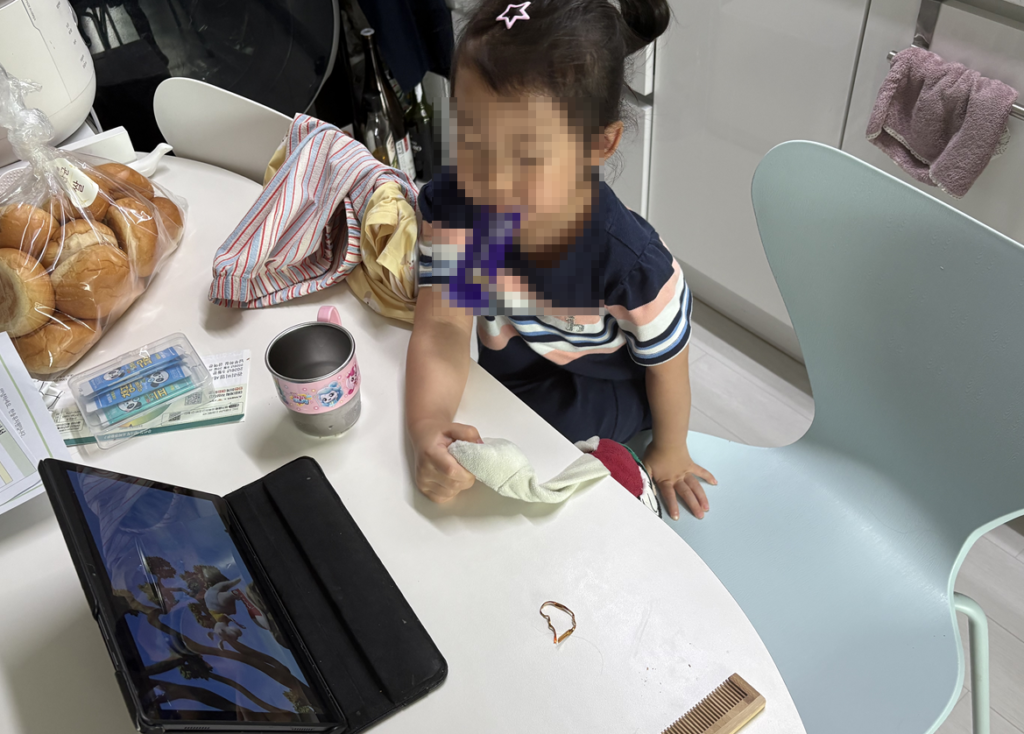
Here’s the part that surprised me most after becoming a parent in Korea: mornings are fast. Like, really fast. Between commute schedules and kindergarten drop-off times, there’s rarely room for a leisurely breakfast.
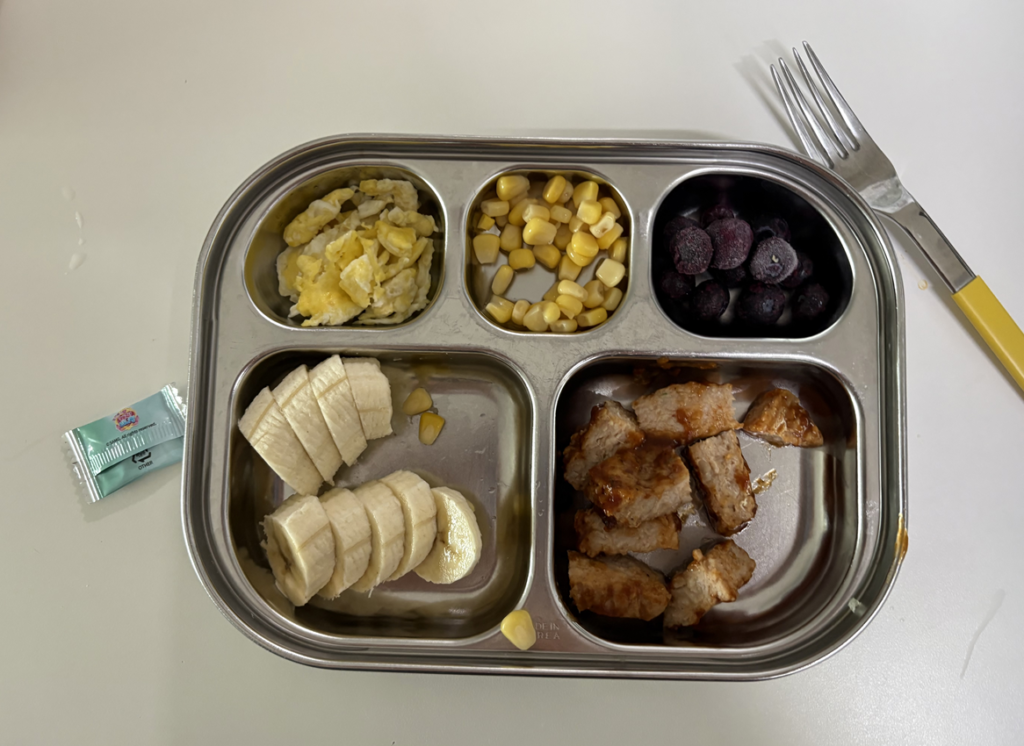
My Own Morning Routine
Since my daughter is 6 and needs to get to kindergarten on time, our mornings run on a tight clock. We also eat things like frozen chicken breast, blueberries, coleslaw, and scrambled eggs pretty often. But on those rare, unhurried mornings when we’re not racing the clock, it looks a little different:
- Soy-sauce egg fried rice
- A side of kimchi
- Done in under ten minutes
That’s it. No elaborate table setting, no five side dishes. Just something warm, filling, and fast enough that we’re not late walking out the door.
The Real Takeaway About Korean Breakfast
If there’s one thing I’ve learned living this out every single morning, it’s that Korean breakfast isn’t about tradition for tradition’s sake. It’s about what actually works for real families with real schedules. Simple rice, a quick protein, kimchi, and maybe a soup if there’s time — that’s the honest version of Korean breakfast that most people never see.
So next time someone asks what Koreans eat for breakfast, you can tell them the truth: it’s less “traditional feast” and more “whatever gets everyone out the door on time.”
Check out these related posts:
👉10 Korean Customs Every Foreigner Should Know Before Visiting Korea
👉Why Is Korean Convenience Store Culture So Popular?