
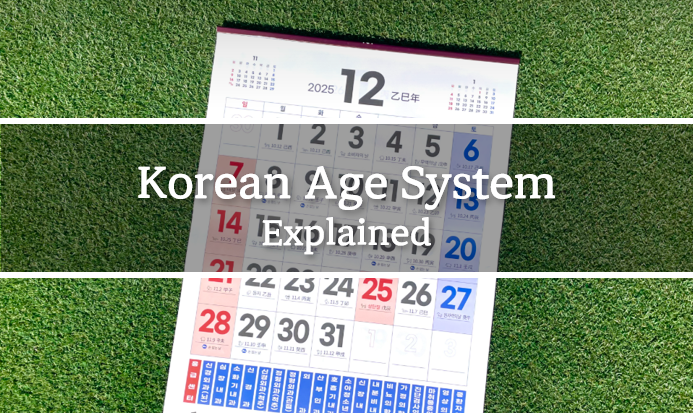
Korean Age System Explained – The Day I Turned Three Years Old Overnight
I still remember the exact moment. It was New Year’s Day.
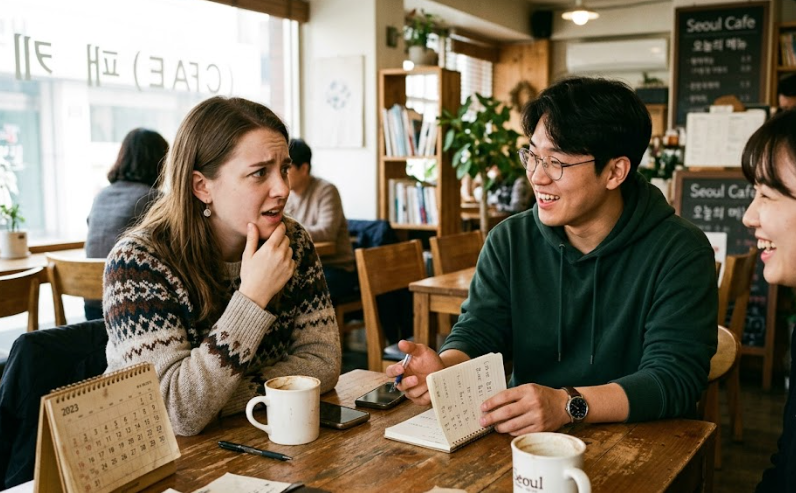
My Korean friend casually said, “Happy birthday, by the way.”
My actual birthday wasn’t for another eight months. I stared at her, totally confused.
She laughed and explained something that broke my brain a little. In Korea, everyone gets older together. Not on their birthday. On January 1st.
That’s how I “turned three” without a cake, candles, or even a Tuesday.
So Why Does Everyone Age on the Same Day?
This part genuinely surprised me the most.
Korea traditionally used something called “Korean age,” or se (세). Under this system, a baby is considered one year old the moment they’re born. Not zero. One.
Then, instead of counting individual birthdays, everyone adds a year together. Every single January 1st.
So if a baby is born on December 30th, they turn “two” just two days later. Wild, right?
Where Did This System Even Come From?
The logic actually traces back to old East Asian traditions. Time in the womb was counted as part of a person’s life. Birth wasn’t the starting line. It was closer to the finish of year one.
Many neighboring countries once used similar systems. Korea, though, held onto it far longer than most.
Why It Confused Me as a Foreigner
Every time someone asked my age, I froze. Did they want my real age? My Korean age? Was there a “safe” answer?
Turns out, locals dealt with the same confusion. Which brings us to the biggest recent change.
Wait, Didn’t Korea Change This Recently?
Yes! And honestly, it was overdue.
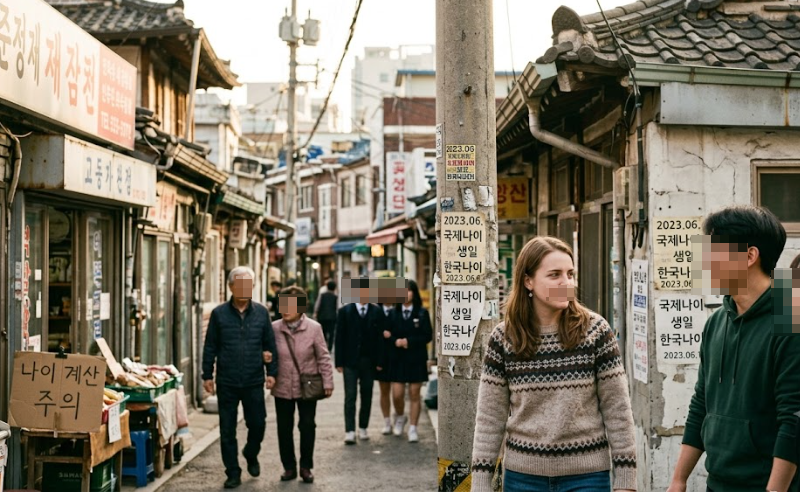
In June 2023, South Korea officially standardized age calculation. The country switched to the international age system for most legal and administrative purposes.
This meant government documents, contracts, and medical records started using your “real” birthday-based age. Not the traditional counting method.
But Does Everyone Actually Use the New System Now?
Here’s the twist nobody warned me about.
Legally, yes, international age is now standard. Socially? That’s a different story entirely.
Many Koreans still casually ask “Korean age” in everyday conversation. Drinking age culture especially still leans on tradition. Family gatherings still count years the old way sometimes.
Change takes time, especially with something this deeply cultural.
How Do You Actually Calculate Korean Age?
Let me break this down simply, because it tripped me up constantly.
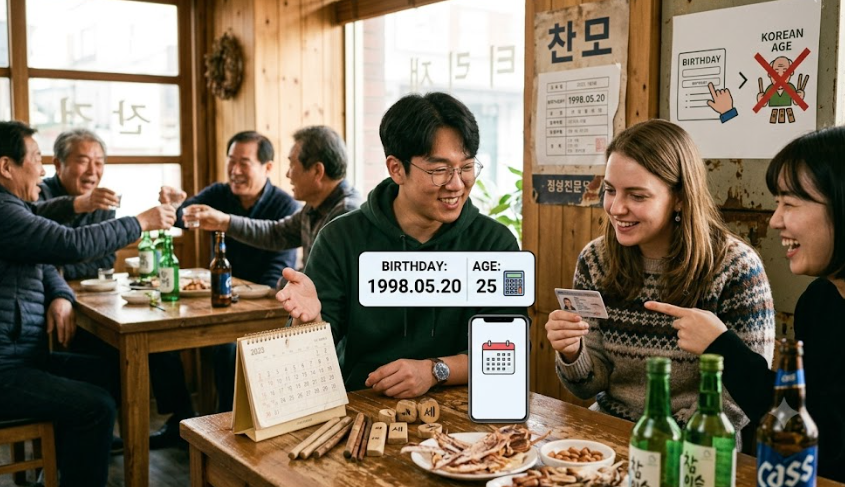
Step one: Start at age one at birth, not zero.
Step two: Add one year every January 1st, regardless of your birth month.
For example, someone born in November 2023 was already “age two” by January 2024. Their actual lived time? Barely two months.
That gap between “Korean age” and real age can feel enormous, especially early in life.
A Quick Comparison Table (In Words)
If you were born in 2000, here’s roughly how it plays out. Your international age depends purely on whether your birthday has passed this year. Your Korean age, though, jumps every New Year no matter what.
By your late twenties, the two numbers can differ by one or two full years.
Why This Matters If You’re Visiting or Living in Korea
If you’re dating, drinking, or doing paperwork here, this actually matters.
Drinking and smoking age used to follow Korean age traditions in practice. Someone technically 18 internationally might already be treated as 19 socially.
Job applications and school entry also historically leaned on birth year, not exact birthdate. Two people born just weeks apart could end up in totally different grades.
Understanding this saved me from some seriously awkward conversations.
At first, I thought the system was just confusing for confusion’s sake.
But the more time I spent here, the more it made sense. Korean age isn’t really about math. It’s about shared identity and generational belonging.
Everyone born in your “age group” shares something. A kind of quiet solidarity you don’t get from tracking individual birthdays alone.
These days, when someone asks my age here, I just laugh and ask back: “International, or Korean?”
It’s become one of my favorite little icebreakers living in Korea.
Further Reading
👉 10 Korean Customs Every Foreigner Should Know Before Visiting Korea
👉 Why Do Koreans Take Off Their Shoes Indoors? (A Real Visitor’s Story)