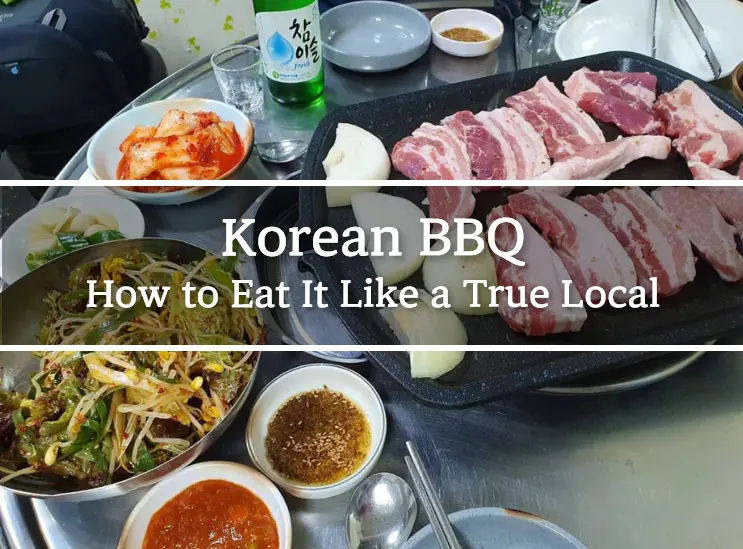
Korean BBQ – How Locals Eat It (And the Mistakes Tourists Always Make)
Korean BBQ – How Locals Eat It
I’ve taken plenty of foreign friends to Korean BBQ, and I always notice the same thing. They stare at the huge menu, feel the grill already heating up, and glance nervously at the local couple next to them who clearly know exactly what to do. As a Korean, I’ve seen this exact scene play out more times than I can count.
So let me break down how locals actually approach Korean BBQ, and where I usually see tourists slip up.
The Mistake: Ordering Randomly Off the Menu
This is probably the most common one. Visitors often just point at whatever looks familiar, without realizing locals build a whole system around their order.
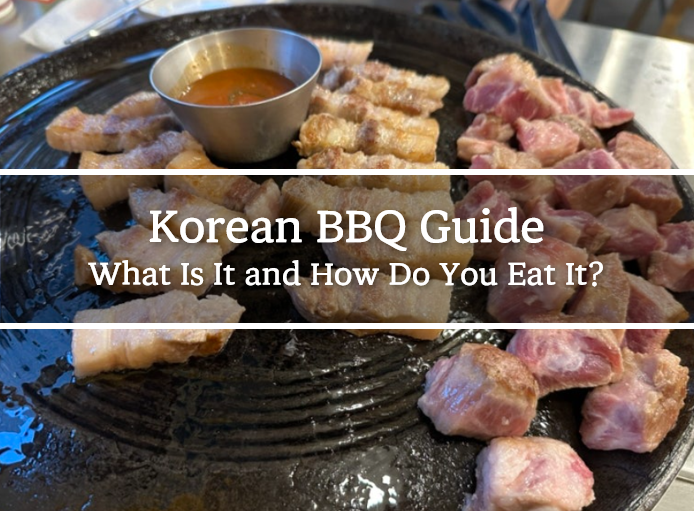
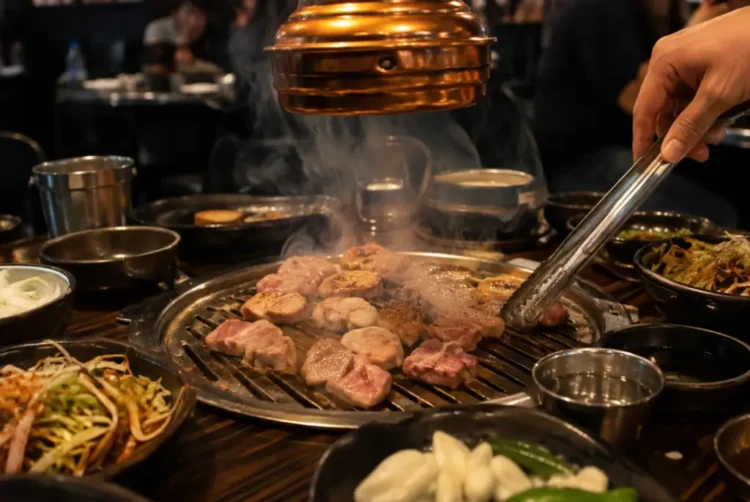
Locals rarely order just one type of meat. They mix textures and flavors on purpose. Pork belly, called samgyeopsal, is usually the starting point. Beef short rib, known as galbi, tends to come right after.
Local tip: Order pork first, then beef. Your taste buds adjust better this way.
Meat Cuts Tourists Often Overlook
- Samgyeopsal – thick, fatty, and forgiving on the grill
- Galbi – sweeter, thanks to a soy-based marinade
- Moksal (pork neck) – leaner but still juicy inside
Visitors tend to stick with just one cut the entire meal. Locals almost always mix a few, which is part of why the meal feels so different when a Korean orders it.
The Mistake: Flipping the Meat Too Early
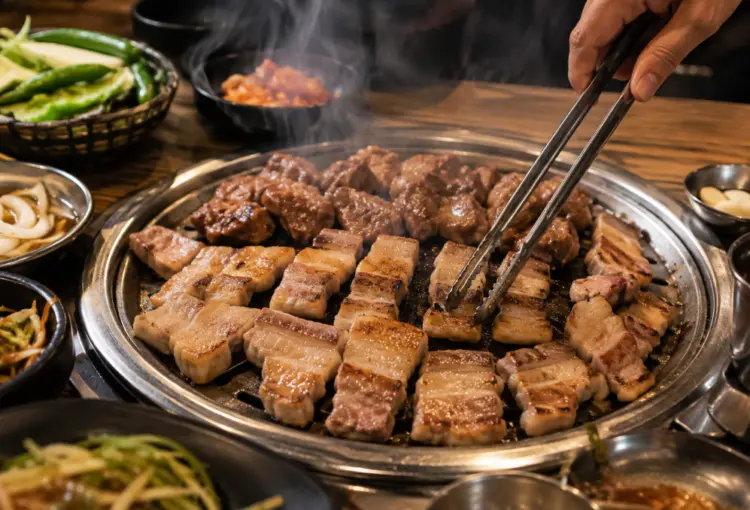
This is something I correct constantly with foreign friends. New visitors tend to flip the meat way too soon, before it’s actually had time to cook properly.
Patience is genuinely the secret ingredient here. Let the meat sit a little longer than feels natural, and the texture comes out completely different.
Banchan Isn’t Just a Side Dish, and Tourists Often Skip It
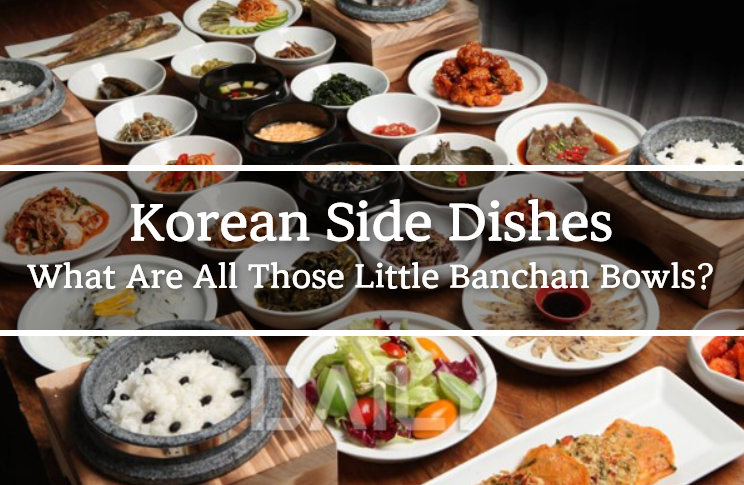
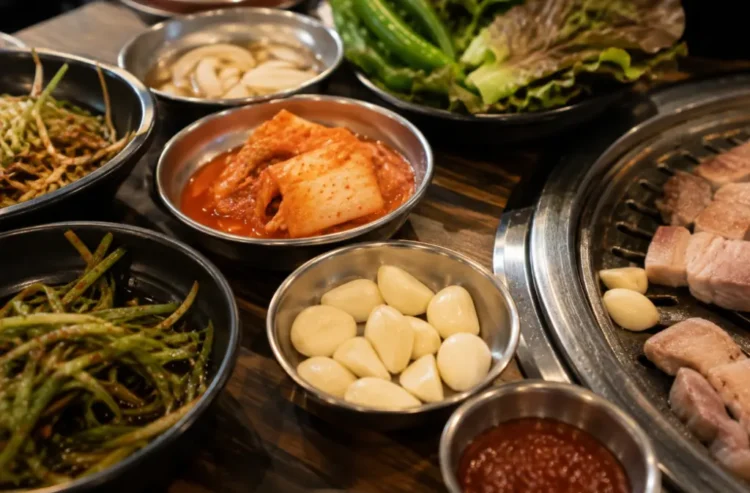
Banchan, the small side dishes, aren’t decoration. They’re part of the actual meal, and skipping them is a common tourist mistake.
Kimchi cuts through the richness of grilled fat beautifully. Garlic slices add sharpness between bites.
Local tip: Grill your garlic slowly next to the meat. It turns sweet, not spicy, and most visitors never try this.
Related Posts
👉 10 Korean Foods Every Foreigner Should Try in Korea
The Wrapping Method Tourists Usually Get Wrong
This is the part that surprises visitors the most. Locals rarely eat meat plain, straight off the grill.
The Ssam Method Explained
Ssam means “wrap” in Korean. Take a lettuce leaf, add rice, then your meat, then a small spoon of ssamjang. Fold it tightly and eat it in one bite.
The mistake: overstuffing the wrap. Tourists almost always build it too big, and it falls apart before the first bite. One bite should always fit comfortably. Keep it small.
Drinks Locals Actually Pair With BBQ
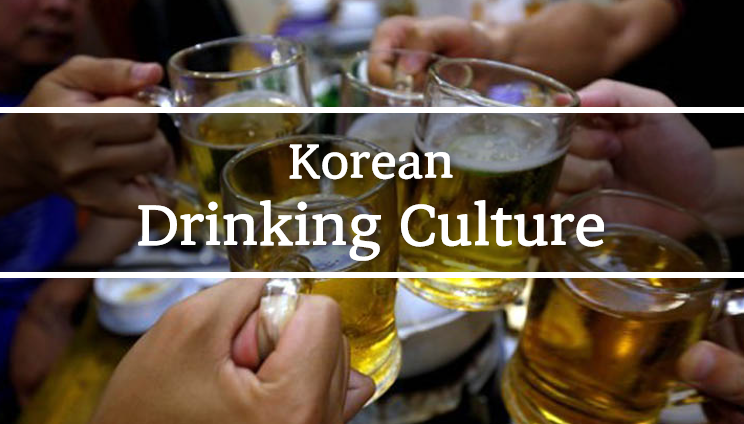
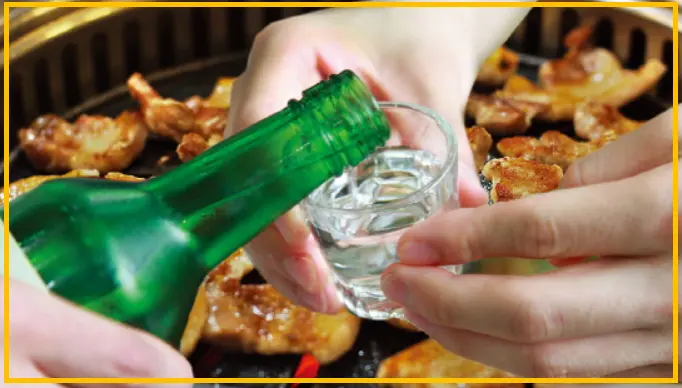
Soju is the classic pairing, sharp and slightly sweet. Locals often mix it with beer, calling the combination somaek.
Local tip: Take small sips between bites, not large gulps all at once. Tourists sometimes drink too fast and miss how the pairing is actually meant to work.
Common Mistakes Tourists Make Without Realizing It
- Flipping meat constantly, instead of letting it cook properly
- Reacting awkwardly to scissors — staff often cut meat with kitchen scissors directly at the table, which is completely normal here
- Skipping banchan entirely, missing dishes that balance every smoky, rich bite
None of these mistakes ruin the meal, but avoiding them makes the whole experience feel a lot more natural.
Related Posts
👉 Why Do Koreans Take Off Their Shoes Indoors?
Korean BBQ isn’t just dinner. It’s a slow, shared ritual, and locals treat it that way. Tourists who rush through it usually miss what makes the meal special in the first place.
Eating Korean BBQ like a local isn’t complicated. It just takes a little patience and a few small habits. Order smart, wrap carefully, and never rush your grill. Next time you visit, try ordering exactly like a local would, and you might taste the real difference for yourself.