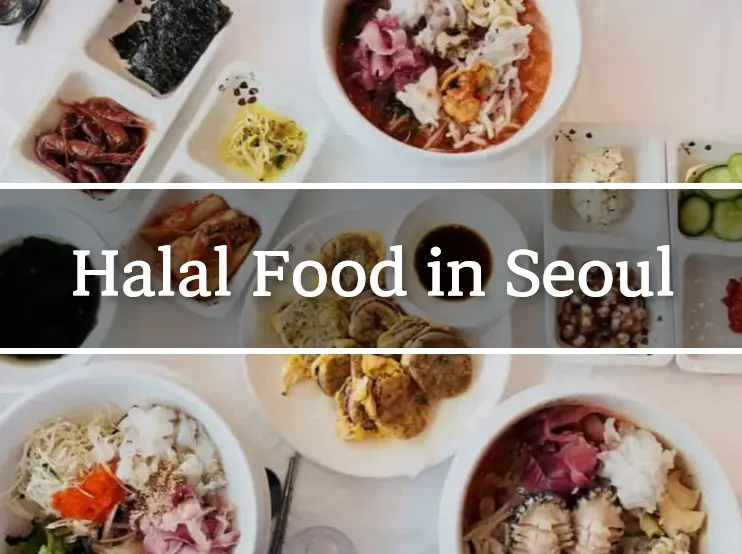
Halal Food in Seoul: A Practical Itinerary for Muslim Travelers
Seoul’s halal food scene is small but real, and most of it is around Itaewon, with a few useful stops in Myeongdong, Insadong and Gangnam. Build your days around the Itaewon cluster, check each restaurant’s certification level before you go, and treat other Korean food as potentially containing pork or alcohol until you’ve asked.
How Korea Labels Halal Restaurants
The Korea Tourism Organization sorts Muslim-friendly restaurants into four tiers. You’ll see these labels in its directory and sometimes on stickers in restaurant windows.
- Halal Certified: certified by an outside body such as the Korea Muslim Federation (KMF, 한국이슬람교중앙회).
- Self-Certified: the Muslim owner declares the kitchen halal, but no third party checked it.
- Muslim Friendly: some halal dishes on a menu that also has non-halal items. Alcohol may also be sold.
- Pork-Free: no pork in the food, but no halal meat certification either.
Only the first tier gives you outside verification. Plenty of Muslim residents still trust Muslim-owned, self-certified places, particularly the ones that have been around Itaewon for a long time. Whether that’s enough is up to you.
Itaewon: Start Here
Itaewon is where the Seoul Central Mosque sits, and many of the area’s restaurants are along Usadan-ro nearby. It makes sense to pray first, then eat within walking distance.
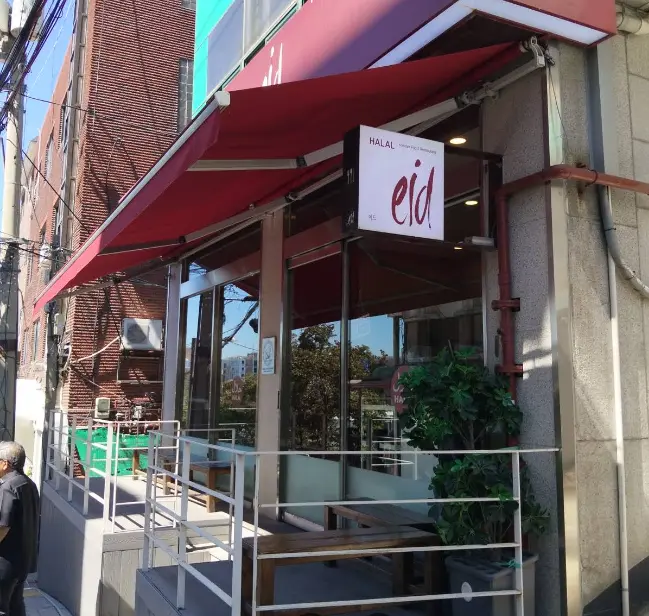
Eid and Makan are two names that come up often for halal Korean food here, and both are KMF-certified according to the material I’m working from. Dishes like bulgogi, samgyetang (ginseng chicken soup) and bibimbap are worth looking for, since halal versions of these Korean classics can be harder to find elsewhere. I’d put one of these two on your first night, while you’re still getting a feel for how Korean menus work.
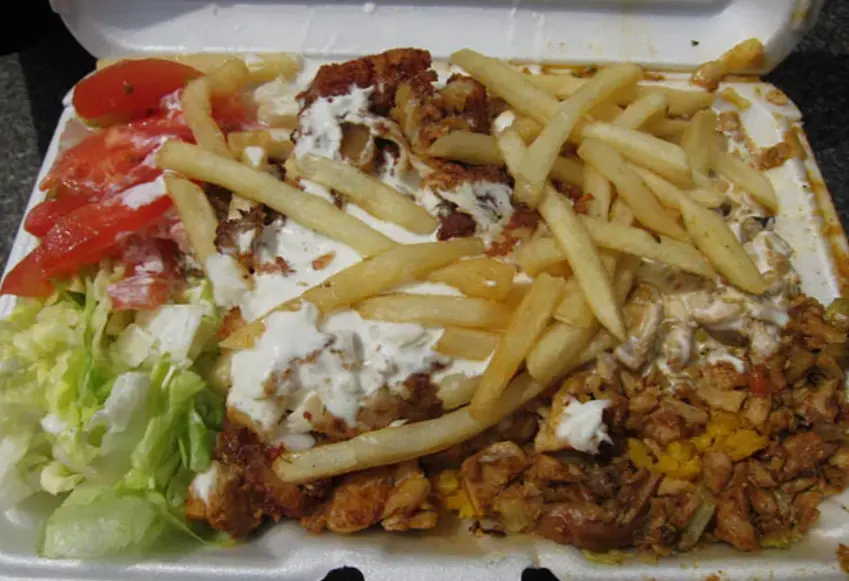
Kervan is a Turkish restaurant, and it’s a simple option if you’ve eaten enough Korean food for the day and want kebab or something familiar.
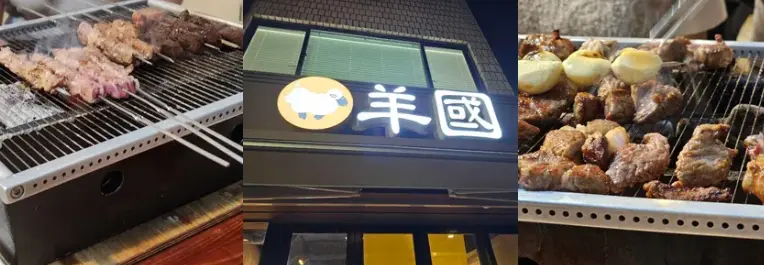
Gangnam: Yang Good for Korean BBQ
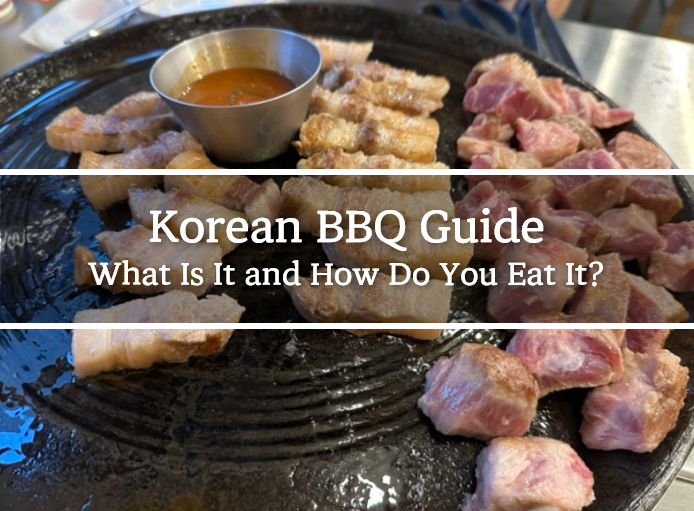
Korean barbecue is the meal many halal travelers assume they’ll have to skip, so Yang Good in Gangnam is worth knowing about. It grills halal-certified Australian lamb and beef at the table.
Because it also sells alcohol, it sits in the Muslim Friendly tier, not the fully certified one. That’s worth knowing before you book. Restaurants open, close and change their setup fairly often, so check its current status on Naver Map or KTO’s directory before you go.
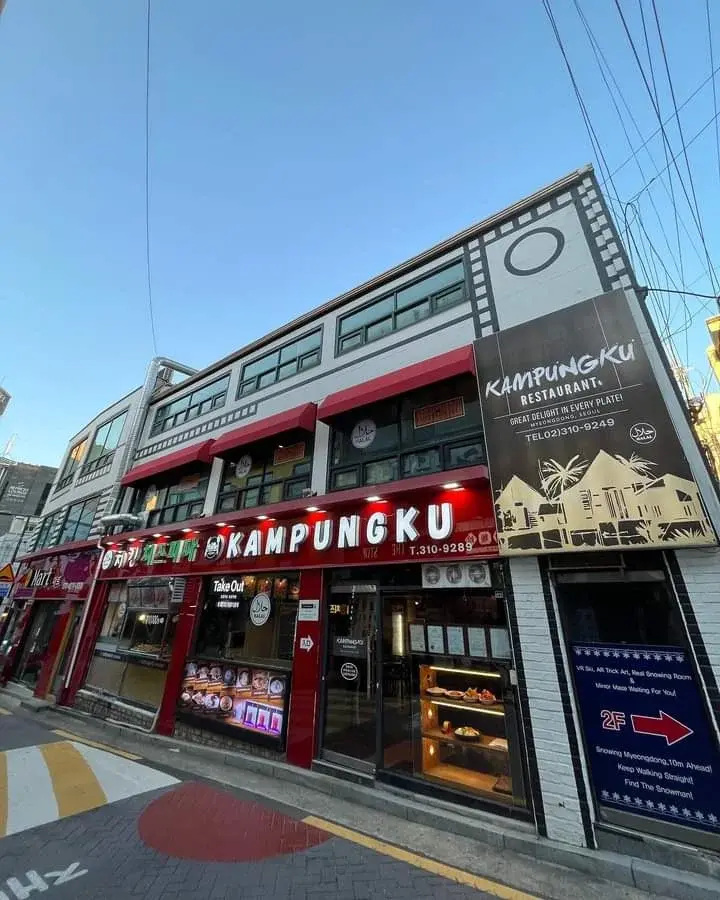
Myeongdong and Namsan
Kampungku is a Malaysian-Korean fusion place that fits neatly into a day around Myeongdong and Namsan Tower. Malaysian flavors are a nice break from the Korean ones, and it saves you from hunting for lunch while you’re climbing hills.
Myeongdong is also where Lotte Department Store’s main branch is, which has a prayer room according to my notes. Confirm its location and hours at the information desk when you arrive, since department stores sometimes rearrange their floors.
Insadong: A Vegan Option
Ose Gye Hyang is a vegan Korean restaurant in Insadong. With no meat on the menu, there’s no pork to worry about. If you also avoid alcohol-based seasonings, it’s still worth asking the staff, because vegan and alcohol-free are separate questions.
Where Pork and Alcohol Hide
Some of the trickiest things don’t look like pork.
Broths. Ramyeon, jjigae, tteokbokki and many soups use pork bone, beef bone or seasoning powder like dashida as a base. A bowl that looks plain can still be made with pork broth.
Sauces and seasonings. Ssamjang, gochujang and kimchi can contain mirin (a sweet cooking wine) or fermented seafood like jeotgal. Recipes vary by restaurant and brand.
Packaged food. Convenience store triangle kimbap, snacks and instant meals can contain pork-derived fats or seasoning. Ingredient labels are in Korean, so a translation app helps. A “vegan” label on a product narrows things down, but I wouldn’t treat it as a guarantee that it contains no alcohol.
A sentence worth learning: “돼지고기 들어가요?” (dwaeji-gogi deureogayo?), meaning “Does this contain pork?” Staff understand it right away, even if their answer about the broth takes a moment to come.
Prayer Rooms and Apps
Prayer rooms mentioned in my material are at the Seoul Central Mosque in Itaewon, Lotte Department Store’s main branch in Myeongdong, COEX in Samseong-dong, and Incheon Airport. Opening hours and locations can change, so check before you rely on one.
For getting around, Naver Map and KakaoMap work better than Google Maps in Korea, whose walking and transit directions are often incomplete. Halal Navi and Muslim Pro can help with halal restaurant searches and prayer time alerts.
A Three-Day Route
| Day | Area | What to do |
|---|---|---|
| 1 | Itaewon | Seoul Central Mosque, then lunch or dinner at Eid or Makan, with Kervan as a backup |
| 2 | Myeongdong, Namsan, Insadong | Kampungku near Namsan, a prayer stop at Lotte, then a vegan dinner at Ose Gye Hyang |
| 3 | Gangnam | COEX prayer room and Korean BBQ at Yang Good |
Keep some slack in each day. A restaurant might be full, closed or moved, and having a backup nearby can save a lot of walking.
I still think about how often a menu looks fine until the broth comes out, and no list will cover every situation. Asking before you order tends to work better than relying on an app alone.
You might also like:
👉 Korean Pojangmacha Guide: Cash, Ordering, and Manners
👉 Seoul to Busan Day Trip – Is It Realistic? KTX Schedule and Route