Credit Cards in Korea: Where You Can Use Them and When You’ll Still Need Cash
Credit cards in Korea are surprisingly easy to use. If you’re visiting for the first time, you may end up using your card for almost everything. You can use one at a coffee shop, a convenience store, a taxi, or even the little bakery you happened to walk into while exploring a neighborhood. Most of the time, you just tap or insert your card and you’re done. There usually isn’t much of a conversation about payment at all. This can be confusing if you’re reading older travel guides. Korea still uses cash, but day-to-day life is much more card-friendly than you might expect.
That doesn’t mean you should arrive in Korea with zero cash, though. There are still a few situations where having some Korean won in your wallet makes things much easier. A traditional market is probably the easiest example. T-money can also be a little confusing if you’re expecting every top-up machine to accept your foreign card.
Where I Usually Don’t Worry About Cash
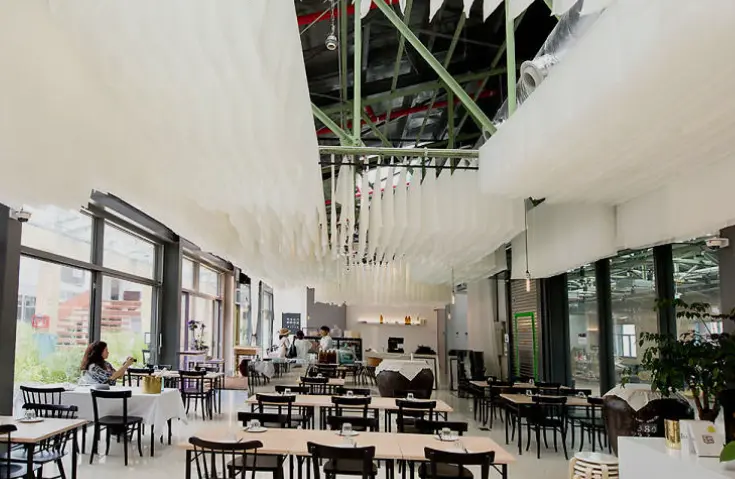
At least for the places most travelers visit, paying by card is usually pretty easy.Cards are commonly accepted at chain restaurants, cafes, CU and GS25 convenience stores, department stores, hotels, and plenty of self-service kiosks. Kiosks are especially common now. In many restaurants, you place your order on the screen, pay right there, and then wait for your number to be called.
Visa and Mastercard are the cards I’d feel most comfortable relying on for a trip. If you mainly use Amex or Discover at home, I’d bring another card as a backup rather than assuming every shop will accept it.
Taxis are another easy example. In Seoul, card payment is very common in taxis, so I wouldn’t carry a large amount of cash just because you’re worried about getting a cab.
When You’ll Still Want Some Cash
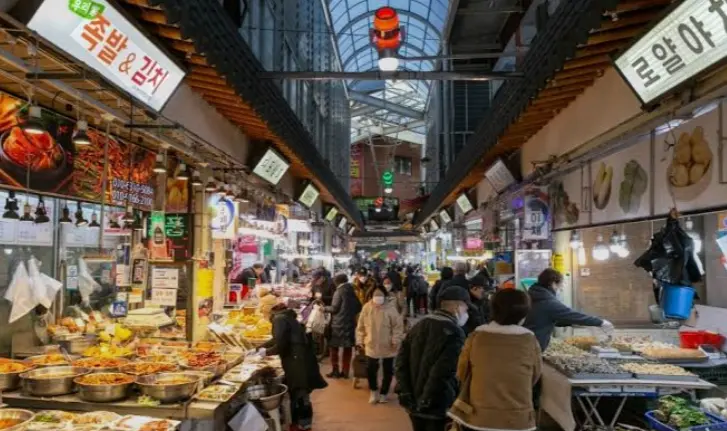
Traditional markets are where I would still keep some cash handy. Gwangjang Market and Namdaemun Market are good examples, especially if you’re buying small portions of food from individual stalls. Some stalls do accept cards, but I wouldn’t count on it for every vendor, especially for small purchases.
Street food is similar. If you’re grabbing something inexpensive from a small food stall, cash is still the safer option.
T-money is another thing that can catch first-time visitors off guard. You can use it across Korea’s public transportation system, but topping up the card isn’t quite as straightforward as paying for a coffee with your Visa or Mastercard. Some newer subway machines now accept international cards for certain T-money-related services, but I wouldn’t assume that every machine will work the same way.
Smaller restaurants and guesthouses can be a little different, particularly outside major tourist areas. It’s not that they won’t accept cards at all, but I wouldn’t want to arrive with only one foreign card and no cash. Korean delivery apps are another issue. Apps such as Baemin are mainly designed around the Korean payment system, so ordering as a short-term visitor can be more complicated than simply paying at a restaurant.
What About Travel Wallet?
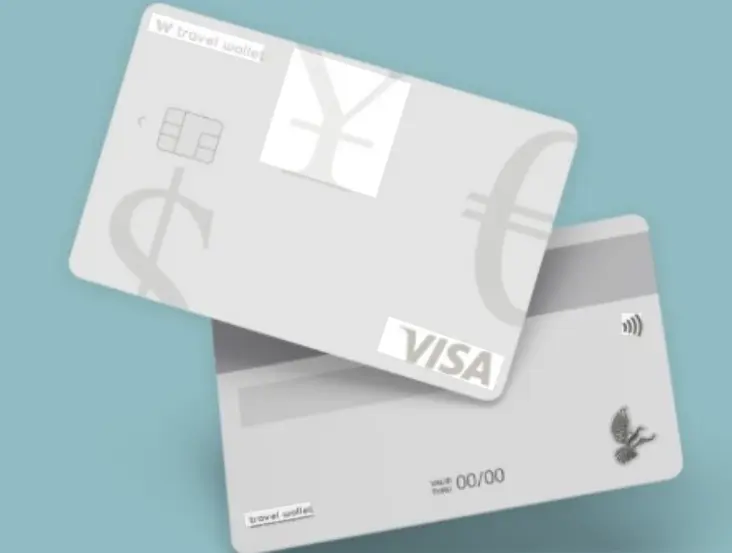
If you’ve been looking into payment options before coming to Korea, you’ve probably come across Travel Wallet. Travel Wallet is basically a prepaid card that you manage through an app. You add money, use the card for purchases, and the app handles the currency exchange instead of leaving everything to your regular bank.
For a Korea trip, the transportation feature is probably the part you’ll notice most. If your Travel Wallet card supports transportation, you can use it for the subway and buses too. That means one less card to carry around.
Travel Wallet isn’t the only option. WOWPASS is another popular choice among visitors, although the two products aren’t identical and the features can change over time. I wouldn’t say you need either one if your regular credit card has reasonable overseas fees and works well in Korea.
So, How Much Cash Should You Carry?
Keeping ₩50,000 to ₩100,000 in cash is usually enough as a small backup for things like markets, small purchases, and transportation top-ups. If your itinerary includes traditional markets or smaller towns outside Seoul, I’d carry a little more just to avoid having to look for an ATM in the middle of the day.
One thing I’d definitely recommend is carrying some smaller bills. A ₩50,000 note isn’t very convenient when you’re buying a ₩4,000 snack or making a small purchase at a market. Having some ₩1,000, ₩5,000, and ₩10,000 bills makes those little payments much easier.
If you run out of cash, look for an ATM that specifically accepts international cards. Not every ATM in Korea does. ATMs at major subway stations and some convenience stores can be useful, but check the machine for the international-card logo before inserting your card.
Check out these related posts:
👉 Hongdae vs Seongsu for Shopping: Which Seoul Neighborhood Fits Your Style?
👉 Korean Fried Chicken History: How Korea Became a Chicken Kingdom
The Simple Answer
For most travelers, a credit card will handle the majority of everyday purchases in Korea. I still wouldn’t leave home without some Korean won, though. Keep a little cash in your wallet for markets, small food stalls, transportation top-ups, or the occasional place that doesn’t accept your card.
That’s really all you need to remember: use your card for most things, but keep some cash as a backup. A little cash takes up almost no room in your wallet, and you’ll be glad you have it when you actually need it.