
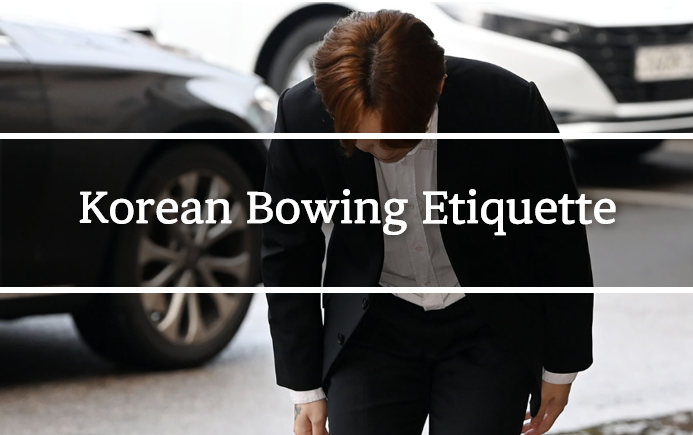
Korean Bowing Etiquette.
Many people assume a Korean bow is just a tiny head dip. That’s not actually true at all.
I thought the same thing before my first trip to Seoul. I figured a small nod would cover it. I was wrong within five minutes of landing.
My friend’s grandmother greeted me at the door. I gave a casual nod, smiling wide. She paused. Her eyes said everything. My friend quietly nudged me. “Bow lower,” he whispered. “She’s family.”
That moment stuck with me. Korean bowing isn’t random at all. Understanding Korean bowing etiquette actually changes how locals treat you. And once you learn the basics, visiting Korea gets so much easier.
What Korean Bowing Etiquette Actually Means
Bowing in Korea isn’t just politeness. It’s respect, shown physically. Every bow carries meaning. The depth matters. The timing matters. Even your facial expression matters.
This tradition comes from Confucian values. Age and status shape everything here. Younger people bow to elders first. Juniors bow to seniors first. It’s baked into daily life.
Tourists often skip this detail. They think a smile is enough. But locals notice the small things. A proper bow says, “I respect you.” A sloppy one can feel disrespectful, even if unintended.
The Three Main Types of Bows
Korean bowing etiquette isn’t one-size-fits-all. There are actually several levels.
1. The Nod (Mokrye)
This is the lightest bow. Just a slight head tilt. You’ll see this between friends. Or with casual acquaintances, too. Store clerks often use this style.
2. The Casual Bow (Banbae)
This bow bends from the waist. About fifteen degrees, roughly speaking. It’s common in daily interactions. Meeting coworkers, greeting neighbors, that sort of thing.
3. The Formal Bow (Keunjeol)
This one is much deeper, almost forty-five degrees. You’ll see it during holidays. Chuseok and Lunar New Year, mainly. It’s also used at funerals. And sometimes for job interviews, too.
Korean Bowing Etiquette – What to Expect in Real Life
Here’s what actually happens once you’re on the ground. Theory is nice, but practice looks different.
Meeting Someone for the First Time
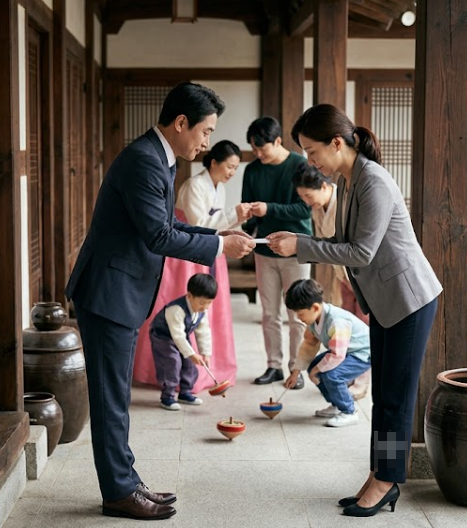
Expect a slight bow paired with a handshake. Many younger Koreans blend both styles now. Western influence has shifted things a bit. Still, the bow always comes first.
Don’t overthink the depth here. A gentle fifteen-degree bow works fine. Add a warm smile while doing it. That combination reads as sincere and friendly.
Visiting Someone’s Home
This is where bowing gets more serious. Especially with older family members present. Expect to bow deeper than usual here. Around thirty degrees is generally appropriate.
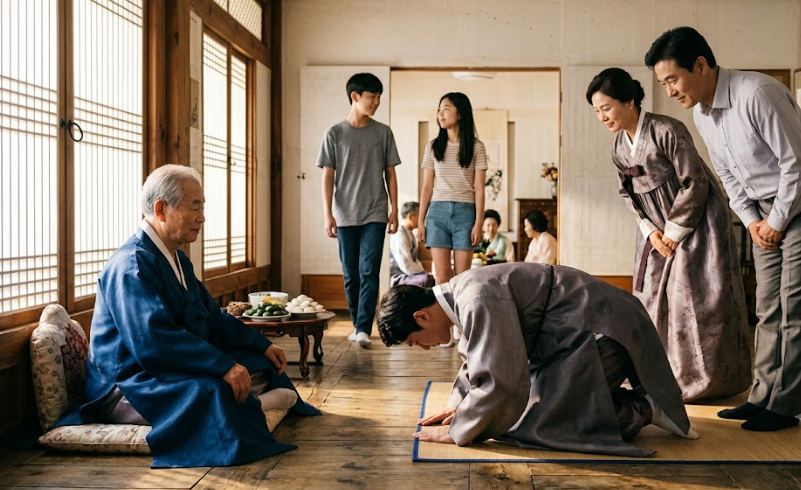
If elders are seated, things shift slightly. You might do a standing bow instead. Or occasionally, a full floor bow. This mostly happens during formal family gatherings.
At Business Meetings
Business settings call for careful attention. Bow first, then offer your handshake. Keep steady eye contact throughout though. This actually shows genuine confidence and respect.
Business cards matter here as well. Present yours using both hands, always. Receive theirs the exact same way. Never stuff a card away immediately.
During Holidays Like Chuseok
This is where the deep bow appears. Younger relatives perform sebae to elders. It’s a full kneeling bow, essentially. Elders then offer blessings, sometimes even money.
Foreign guests aren’t usually expected to join. But watching closely feels genuinely special anyway. It’s one of the most touching traditions I’ve witnessed.
Further Reading
👉 Why Do Koreans Take Off Their Shoes Indoors? (A Real Visitor’s Story)
Common Korean Bowing Etiquette Mistakes Foreigners Make
I’ve made plenty of these myself, honestly.
- Bowing while shaking hands simultaneously (pick one motion first)
- Making direct eye contact during deep bows
- Bowing too casually toward elderly people
- Forgetting to bow back when greeted first
- Rushing the bow instead of pausing briefly
None of these mistakes are disasters, thankfully. Koreans are generally forgiving toward visitors. But small adjustments go a long way. They show genuine effort and respect.
Quick Tips Before You Travel
- Watch locals closely before jumping in
- When unsure, bow slightly deeper, not shallower
- Match the other person’s bowing pace
- Keep your hands relaxed at your sides
- Smile naturally; stiffness looks awkward
Further Reading
👉 10 Korean Customs Every Foreigner Should Know Before Visiting Korea
Korean Bowing Etiquette
Bowing might seem small at first glance. But it says so much, honestly. It’s history, respect, and connection combined. Once you understand it, everything clicks.
My awkward first bow taught me plenty. Now I actually look forward to it. There’s something grounding about the gesture. It slows you down, just briefly.
So next time you’re in Korea, don’t stress over perfect Korean bowing etiquette. Just bow with sincerity. That’s really all it takes.