Do You Tip in Korea? Why You Usually Don’t Need To
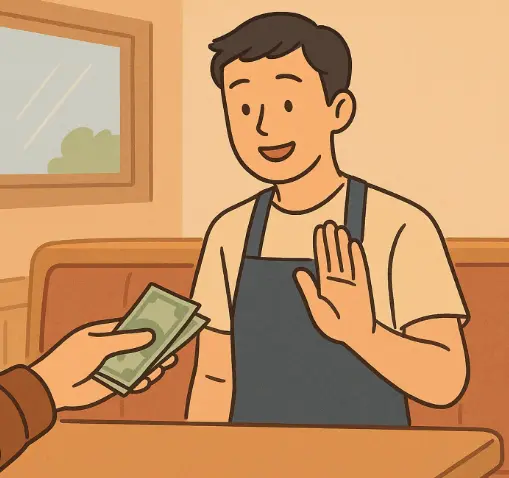
I remember seeing a foreign couple leave some cash on the table after dinner at a restaurant. A few minutes later, the waitress came running outside with the money. At first I thought something had gone wrong, but she was just trying to give their money back. They had left it as a tip.
That small experience made me realize how unfamiliar tipping in Korea can be for visitors. If you’re visiting for the first time, this is something worth knowing before you sit down for a meal.
Do You Need to Tip in Korea?
The simple answer is no. You normally don’t need to tip in Korea.
At restaurants, taxis, hair salons, and most everyday services, tipping isn’t normally expected. You also won’t normally see the 15%, 18%, or 20% tip calculations that are common in the US. Most restaurants simply charge the amount shown on the menu or bill.
If you’re used to tipping in the US or Canada, it can feel a little strange at first. You finish your meal, pay the bill, and that’s it. No tip. No awkward calculation. No math on the receipt. You just leave.
Why Koreans Don’t Usually Tip
One reason tipping feels unusual in Korea is that people generally expect the listed price to cover the service. You pay for the meal, the ride, or the service, and the price is usually understood to include the service itself.
There’s also a social side to it. Giving someone extra money when they weren’t expecting it can simply feel awkward. The person may wonder whether you’re trying to tip them or whether you accidentally gave them too much money.
What Happens If You Leave a Tip?
If you try to leave cash behind, don’t be surprised if someone comes after you to return it. I’ve seen this happen more than once. The staff may think you simply forgot your change.
I once saw an overseas couple try to leave a few thousand won on the table at a small barbecue restaurant near where I live. The owner noticed it, picked up the money, and gave it back to them before they left. They weren’t angry about it. It just seemed unusual to them, so they wanted to return the money.
Taxis are a little different. If you tell a taxi driver to keep a small amount of change, that’s generally not a big deal. But that’s different from deliberately giving a driver extra money as a tip — that can still get the same puzzled reaction.
Are There Any Exceptions?
At some higher-end hotels, especially those used to serving international guests, staff may be more familiar with tipping. If a bellhop helps with your luggage, you may choose to give a small tip, but it generally isn’t expected.
Tour guides can be another exception. Some guides who mainly work with international visitors are familiar with tipping, so if you’re unsure, it’s perfectly reasonable to ask.
Smaller guesthouses and family-run places usually fall back into “please don’t” territory, similar to restaurants.
Is It Rude Not to Tip?
No, you’re not being rude by skipping the tip. In Korea, not tipping is normal. In fact, trying to tip can sometimes make things more awkward than simply paying the bill and saying thank you.
If you want to show your appreciation, simply saying “감사합니다” (gamsahamnida, “thank you”) is enough. A friendly smile helps too.
At a small restaurant, coming back again or telling the owner that you enjoyed the food can mean much more than leaving extra cash. You may even get a little extra side dish or a warmer welcome the next time you visit. That’s the kind of relationship that can develop with regular customers.
What About Food Delivery?
Food delivery is a huge part of everyday life in Korea, so delivery apps are a little different from restaurants.
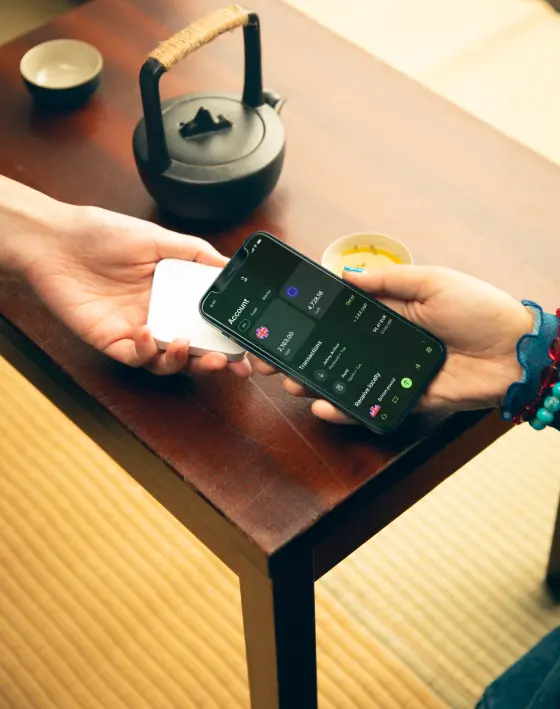
Some Korean delivery apps now offer an optional tip during checkout. You may see a tip option depending on the app and the order. It can feel less awkward because you can simply choose whether to add it on the screen, rather than handing cash to someone in person.
It’s still optional, and no one will think less of you for skipping it. Some people add a little extra for deliveries in bad weather or apartment buildings without an elevator, but that’s a personal choice, not an expectation.
Recommended Reading :
👉 Korean Side Dishes – What Foreigners Always Misunderstand About Banchan
👉 Tteokbokki – What Is Tteokbokki? Everything Foreigners Need to Know
Don’t Forget Your Change
One small thing visitors sometimes notice is how exact the change is. For example, if your bill is ₩27,800 and you pay ₩30,000, you should expect to receive the ₩2,200 change back, usually counted out clearly.
So if the bill says ₩27,800, don’t feel bad about taking your ₩2,200 change. That’s exactly what you’re supposed to do.