
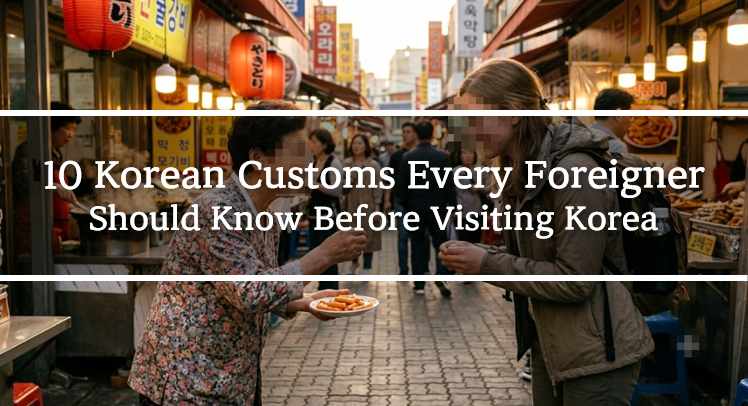
10 Korean Customs Every Foreigner Should Know Before Visiting Korea
If you are visiting Korea for the first time, some things may surprise you.
And honestly, that is part of the fun.
Korea can feel very familiar and very different at once. People are friendly, but social rules can feel unfamiliar. Some customs are subtle, but they matter in daily life.
I learned this especially while traveling around Korea.
The small things often made the biggest difference for me. A simple gesture can sometimes change the whole experience.
So, before you visit Korea, keep these customs in mind.
They will help you feel more comfortable during your trip. They may also help you avoid some awkward situations.
1. Take Your Shoes Off Indoors
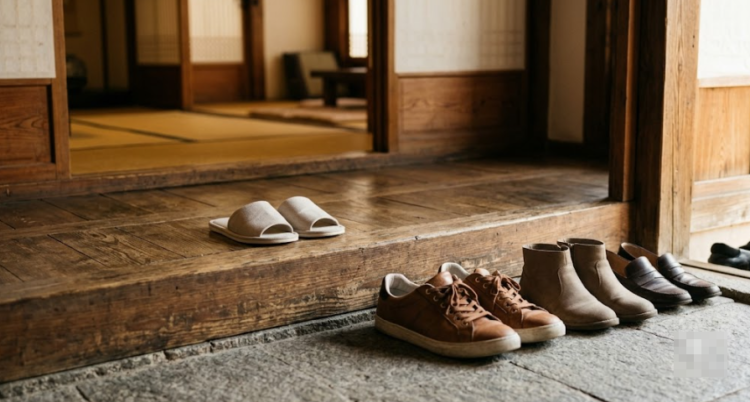
Taking off your shoes is one of Korea’s most familiar customs.
You will usually remove your shoes at someone’s home. Many traditional restaurants also have shoe-free seating areas. Some guesthouses and traditional accommodations work the same way.
The reason is pretty simple.
Koreans generally try to keep indoor floors clean. This is especially important when people sit on floors. Traditional Korean homes often use the floor extensively.
If you see shoes lined up near an entrance, stop there.
That is usually your signal to remove your shoes.
Watch the Entrance Carefully
Some places have a raised area near the entrance. This can indicate where you should leave your shoes.
Try not to walk past that area with shoes on.
When visiting someone’s home, follow their lead. If they take off their shoes, you probably should too.
It is a small gesture, but it shows respect.
Related Posts
👉 Why Do Koreans Take Off Their Shoes Indoors? (A Real Visitor’s Story)
2. Use Both Hands When Giving or Receiving
This is one of those Korean customs visitors notice quickly.
When giving something important, Koreans may use both hands. The same applies when receiving something from another person.
You may see this when exchanging money or gifts. It is also common in more formal social situations.
You do not always need to use both hands.
However, using both hands can show respect.
Using one hand casually may feel less polite sometimes.
When Should You Use Both Hands?
You can use both hands when meeting older people. It is also useful during formal introductions.
Receiving a gift with both hands is another good example.
You do not need to overthink this custom. If you are unsure, simply use both hands. That small gesture is usually appreciated.
3. Respect Older People
Age has traditionally played an important role in Korean society.
You will notice this in language and social behavior. Korean has different speech levels depending on social relationships.
Younger people often speak more formally to older people.
This does not mean every Korean conversation is extremely formal.
Modern Korean society is changing quickly.
Still, age can influence everyday interactions.
Age Matters More Than You Might Expect
For example, someone may ask your age after meeting you. Foreign visitors sometimes find this question surprising.
Usually, it is not meant to be intrusive.
Age can help Koreans understand how formally they should speak. It can also help establish the social relationship.
You do not need to memorize every Korean honorific. Being polite and respectful is the important part.
4. Do Not Stick Chopsticks Upright in Rice
This is an easy mistake to avoid.
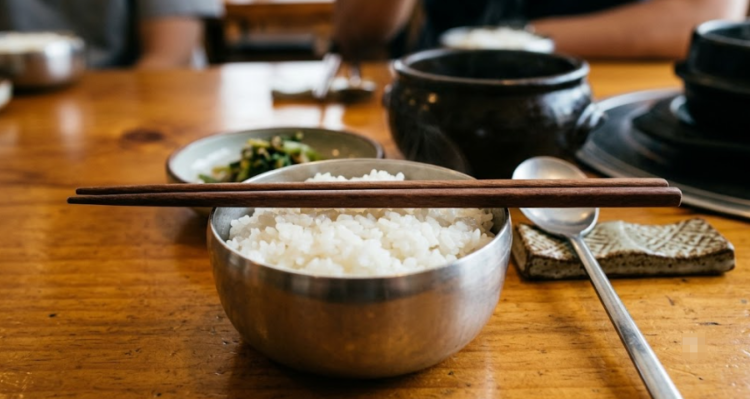
Never leave your chopsticks standing vertically in rice.
The position resembles incense used during funeral rituals. Because of that association, it can feel uncomfortable. Simply place your chopsticks beside your bowl.
Many Korean restaurants provide a chopstick rest. If there is one, use it when you are finished eating.
A Small Dining Rule Worth Remembering
Avoid playing with chopsticks at the table.
You should also avoid pointing at people with them.
These rules are not unique to Korea.
However, being mindful of table manners helps everywhere.
5. Do Not Pour Your Own Drink First
This custom is especially noticeable during group meals. When drinking with other people, Koreans often pour drinks for each other. Instead of immediately filling your own glass, look around first. Someone may offer to pour your drink. You can then return the gesture for someone else. This custom is especially common during social dinners.
Drinking Etiquette Can Be More Formal
When drinking with someone older, Korean etiquette can become more formal.
You may notice people turning their heads slightly while drinking. You may also see people holding their glass with both hands. You do not have to perfectly copy everything. Simply being respectful goes a long way.
One thing I really enjoy about eating in Korea is the sharing culture. Many Korean meals are designed around several dishes. You might order one main dish for the table. Then several side dishes arrive automatically. These side dishes are called banchan.
Everyone at the table can usually enjoy them together.
This can feel different from restaurants where everyone orders separately.
Sharing Food Is Part of the Experience
Korean barbecue is a great example.
The meat is usually cooked and enjoyed together.
People also share vegetables, sauces, rice, and side dishes.
If you are traveling with friends, this can be surprisingly fun.
It also makes trying different foods much easier.
If you are curious about Korean food culture, this is worth experiencing.
7. Keep Your Voice Down on Public Transportation
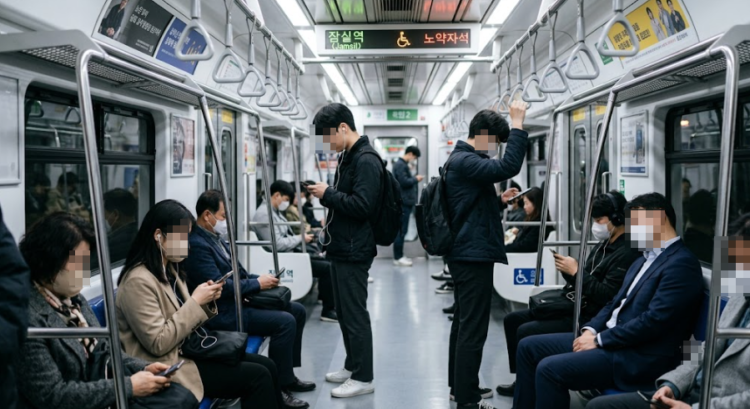
Korean public transportation can get surprisingly quiet.
This is especially noticeable on subway trains.
People often use their phones quietly.
Some passengers sleep during their commute.
Others simply listen to music or look at their phones.
Loud conversations can stand out quite a bit.
Subway Etiquette Is Pretty Simple
Try to keep phone calls short and quiet.
If possible, use headphones for videos and music. Also avoid blocking the doors when people are getting off.
Stand to the side and let passengers exit first.
This makes things easier for everyone.
It is one of the simplest ways to travel comfortably.
8. Give Up Priority Seats When Appropriate
Korean public transportation has designated priority seats.
These seats are intended for people who may need them. This includes elderly passengers and people with certain needs.
You may notice brightly colored seats on buses and subways.
The safest approach is simple.
If someone clearly needs the seat, offer it to them.
Do Not Be Surprised by Empty Priority Seats
Sometimes you may see these seats remain empty. That can happen even when the train is crowded.
Many people prefer not to sit there unless necessary.
As a visitor, you may choose to do the same.
It is an easy way to show consideration.
9. Learn a Few Basic Korean Words
You do not need to speak fluent Korean.
Even a few simple expressions can make your trip easier.
The first word I would learn is “annyeonghaseyo.”
It means hello.
Another useful expression is “gamsahamnida.”
It means thank you.
You can also learn “juseyo.”
It is commonly used when asking for something.
A Little Korean Goes a Long Way
You may be surprised by how positively people react.
Even imperfect Korean can make interactions more pleasant.
Do not worry too much about pronunciation.
Just make an honest attempt. Most people will understand what you mean.
And learning a few Korean expressions can make travel more enjoyable.
10. Do Not Assume Everything Works Like Home
This may be the most important custom of all.
Korea has its own rhythm and social expectations. Things that feel completely normal at home may work differently here. Restaurant service may be faster than you expect. People may ask questions more directly. Older people may receive more social respect. Public transportation may also feel very efficient. None of these things are necessarily better or worse.
They are simply part of everyday Korean life.
Stay Curious Instead of Comparing Everything
This is something I always recommend to visitors.
Try not to judge a custom immediately. Instead, ask yourself why people do it. Once you understand the background, things often make more sense. That is when traveling becomes much more interesting. You are no longer simply visiting another country. You are experiencing how people actually live.
What I Would Remember Before Visiting Korea
You do not need to memorize every Korean etiquette rule.
That would make your trip unnecessarily stressful.
Instead, remember a few basic principles.
Take your shoes off when appropriate.
|Show respect to older people.
Use both hands in formal situations.
Be considerate on public transportation.
Share food comfortably at group meals.
And always watch what local people are doing.
That last point is probably the most useful tip. If you are unsure about something, simply observe first. Korean people understand that foreigners may not know every custom. Making an effort is usually more important than being perfect.
Korea is a country where small social gestures can matter.
Some customs may seem unfamiliar at first.
After a few days, many of them start feeling natural. I personally think that is one of the best parts of traveling. You notice little details that you would normally miss. A quiet subway ride can teach you something. Sharing several dishes can become a memorable dinner. Even taking off your shoes can tell you something. These everyday customs are part of Korean culture. Understanding them can make your trip much smoother. More importantly, it can help you connect with people. If you are planning your first trip to Korea, take it easy. You do not have to know everything before arriving.
Be polite, stay curious, and pay attention.
That will take you surprisingly far.
Korea is much easier to enjoy when you understand the little things.
And sometimes, those little things become your favorite memories.