Korean BBQ Guide-What Is It and How Do You Eat It?
Korean BBQ Guide-What Is It and How Do You Eat It?
I’ve taken plenty of foreign friends to Korean BBQ for the first time, and it’s almost always the same scene. They sit down, see a grill built right into the table, watch raw meat get dropped in front of them, and just freeze. No instructions, no idea what to do next. Meanwhile, everyone else at the restaurant seems to know exactly when to flip the meat and what to wrap it in.
As a Korean, I’ve watched this exact confusion play out more times than I can count. So let me walk through what visitors usually get wrong, and how the whole experience actually works.
Korean BBQ Guide-What Exactly Is Korean BBQ?
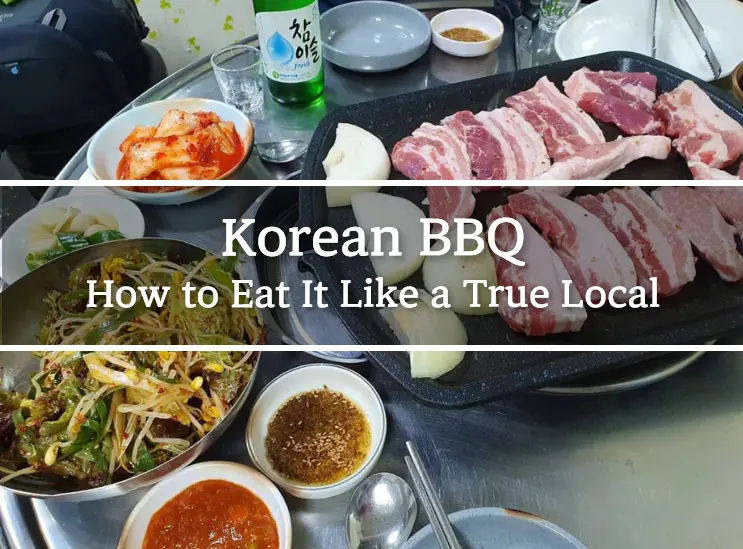
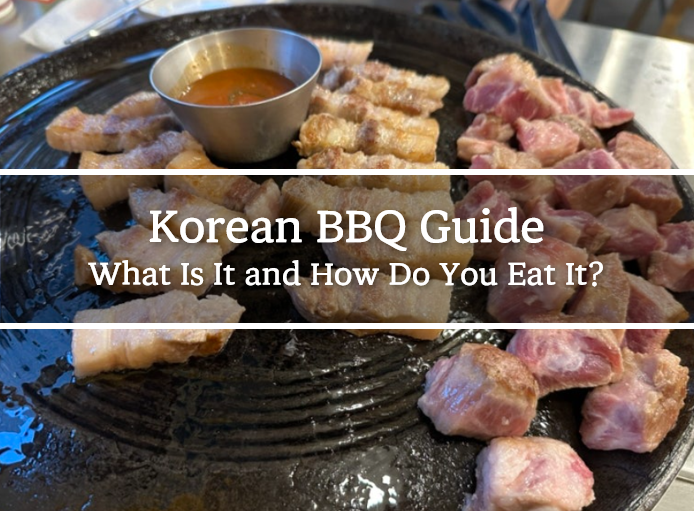
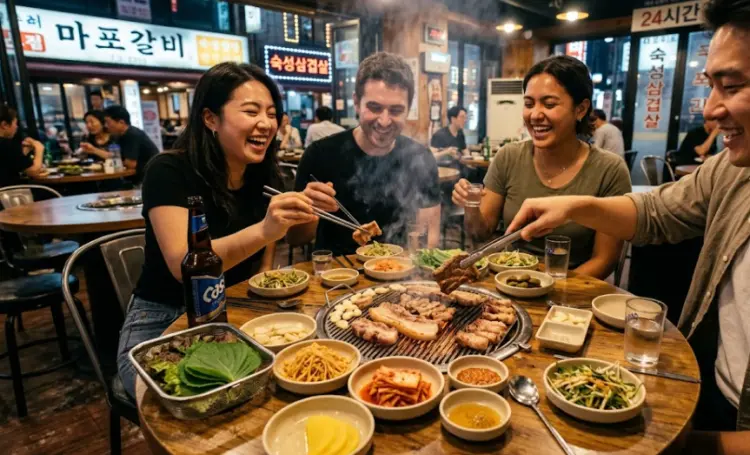
Korean BBQ, or gogigui, is grilled meat cooked right at your table. Most restaurants build a small grill into the center, sometimes gas, sometimes charcoal. You order raw cuts of meat, usually pork belly or beef, and cook it yourselves while chatting with your group.
The Mistake: Expecting a Finished Plate
This is the number one thing I see. Foreign guests often expect a server to bring out a completed dish, the way it works at most Western restaurants. But Korean BBQ is a social event, not a quick meal. People linger for hours and treat the cooking itself as part of the fun. Rushing through it usually means missing the whole point.
Popular Cuts and the Ordering Mistake
- Samgyeopsal – thick-cut pork belly, the easiest starting point
- Galbi – marinated beef short ribs, slightly sweet
- Moksal – pork shoulder, leaner than samgyeopsal
- Deungsim – beef sirloin, usually pricier
Visitors often overthink the menu and hesitate too long before ordering. If you’re ever unsure, just say “samgyeopsal juseyo.” It’s the safest, most beginner-friendly choice, and no server will judge you for keeping it simple.
How to Actually Cook It at the Table
This is where I see the most confusion, honestly. Nobody hands out instructions, so guests either panic or just copy the table next to them.
Here’s the flow that actually works:
Move cooked pieces to the side plate so raw meat doesn’t touch them
Wait for the grill to fully heat up before adding meat
Use tongs and scissors, not chopsticks, to place and cut the meat
Flip the pieces only once or twice
Cut the meat into bite-sized pieces once cooked through
The Mistake: Being Too Shy to Ask for Help
Most restaurants have staff who will happily grill for you if you look lost, especially in tourist-heavy areas. But I’ve noticed foreign guests are often too shy to ask. That hesitation usually makes things harder than they need to be. Just ask. Nobody will think less of you.
Banchan Confusion Is Extremely Common
Foreign guests frequently assume the side dishes, or banchan, cost extra, or they’re unsure which ones to eat first.
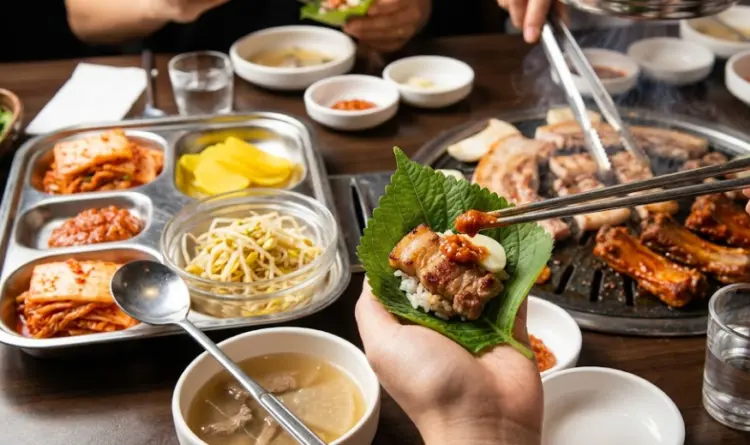
Banchan are small side dishes served with the meal, and they’re free and shared by the whole table. You’ll usually get pickled radish, seasoned bean sprouts, kimchi, and a light soup. They’re meant to be eaten alongside the meat, not as a separate course, and refills are typically free.
The Wrapping Ritual (Ssam) Almost Everyone Gets Wrong at First
You take a lettuce or perilla leaf, add grilled meat, a bit of rice, some garlic, and a dab of ssamjang, then wrap it into one bite. It’s called ssam.
The Mistake: Overstuffing the Wrap
This is probably the most universal beginner mistake I’ve witnessed. First-timers almost always overfill the leaf, and the whole thing falls apart mid-bite. Start small. You can always build a bigger wrap once you get the hang of the proportions.
Related Posts
👉 10 Korean Foods Every Foreigner Should Try in Korea (I’ve Eaten Every Single One)
Sauces Foreigners Often Ignore Completely
There are usually three small bowls at the table that guests overlook entirely, mostly because nobody explains them.
- Ssamjang – a thick, savory-sweet paste for wrapping meat
- Sesame oil with salt – for dipping plain grilled meat
- Gochujang – spicy paste for extra heat
My tip: try the meat plain first, then experiment with each sauce. Sesame oil with salt is the most underrated one, in my opinion. It’s simple, but it completely changes the flavor.
Etiquette Mistakes I See Constantly
- Flipping the meat too often instead of letting it actually cook
- Pouring your own drink first, instead of pouring for others
- Rushing the meal, when a slow, hours-long dinner is completely normal
- Leaving a tip, which isn’t expected or common in Korean restaurants
- Skipping the rice or stew (jjigae) usually ordered near the end
The pouring etiquette especially trips people up. It’s a small gesture, but skipping it can come across as careless to older guests at the table.
Korean BBQ isn’t complicated once you understand the flow, but it can feel intimidating without any context. If you’re visiting Korea, don’t stress about getting every detail perfect. Order samgyeopsal, watch the table next to you if you’re unsure, and just enjoy the slow, social nature of the meal.
Further Reading
👉 10 Korean Customs Every Foreigner Should Know Before Visiting Korea
👉 Jjimjilbang Guide-What Really Happens Inside a Korean Bathhouse