Chuseok in Korea: What Actually Happens When the Shops Close
Chuseok in Korea is a little different from what you might expect if you’re visiting for the first time. You hear about the traffic, the packed trains, and all the businesses closing, but that doesn’t really tell you what Korean families are doing during the holiday.
In 2026, Chuseok falls on September 25, with the official holiday period running from September 24 to 26. Since the holiday falls right before the weekend, many people can enjoy a longer break without taking additional days off work.
If you’re planning a trip around this time, it’s a good idea to check transportation and opening hours in advance.
If you’ve never experienced Chuseok in Korea, the quiet streets might surprise you. Many family-run restaurants and small businesses close for a few days, and some neighborhoods feel noticeably different from their usual routine.
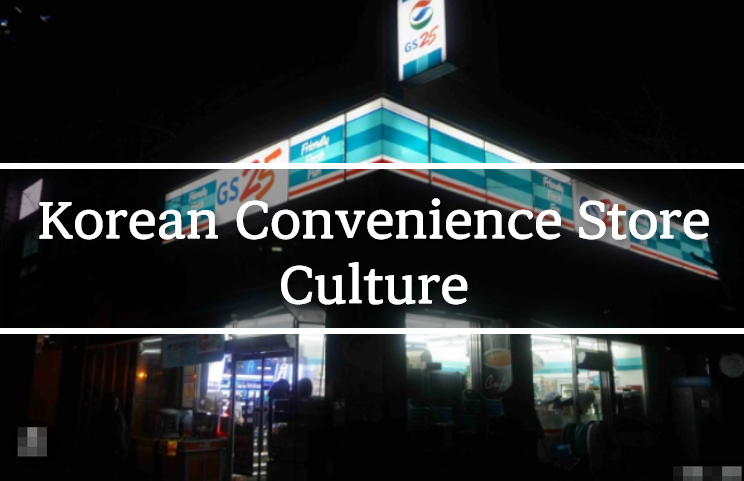
Around my neighborhood, I often see small restaurants putting up handwritten notices about their holiday hours. Some convenience stores stay open, but opening hours can vary, so I wouldn’t assume every place will be operating as usual.
Where the Holiday Comes From
Chuseok is also known as Hangawi, a name associated with the middle of autumn. The holiday has a long history in Korea, although its exact origins are connected to several historical traditions.
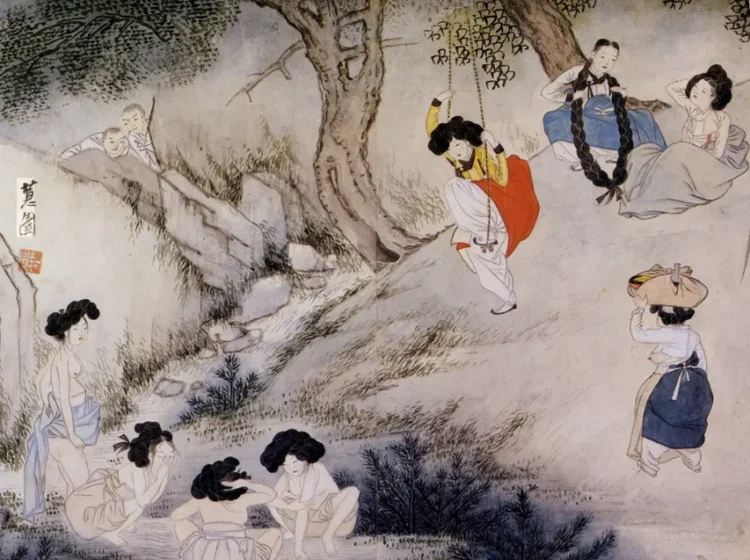
One historical account connects the holiday to a weaving competition during the Silla period. According to the story, two groups of women competed for a month, followed by a gathering and feast. This tradition is often mentioned when discussing the historical background of Chuseok.
What’s stayed consistent over the centuries is simpler than the origin story: gathering the family, giving thanks for the harvest, and remembering the people who came before.
What Families Actually Do
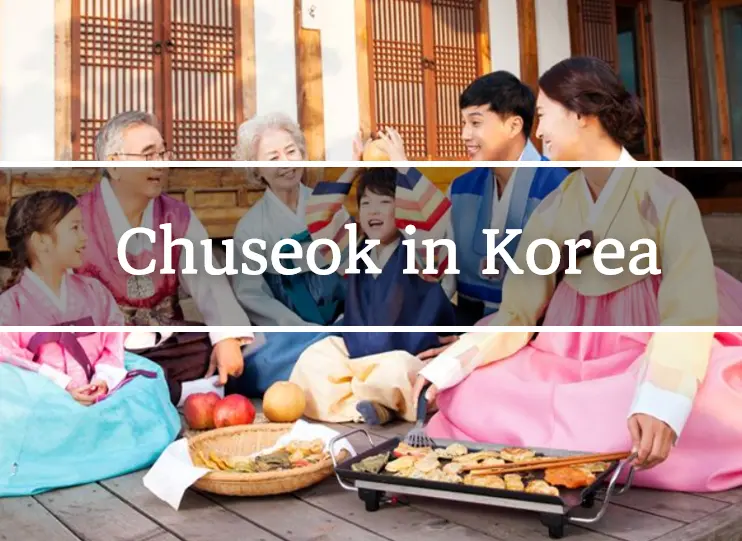
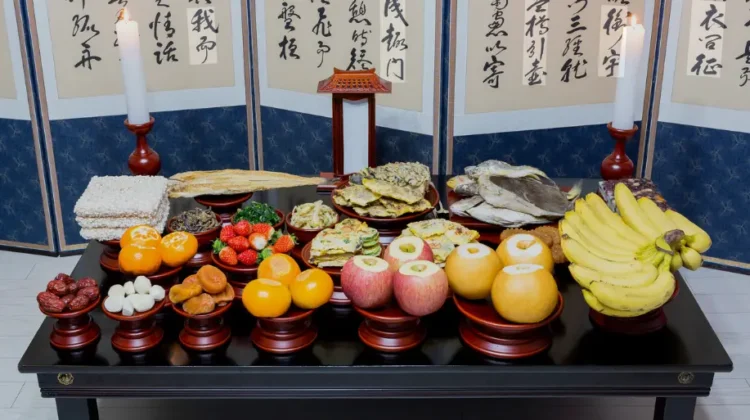
For families that observe traditional Chuseok customs, the morning can start quite early. They prepare food for charye, a memorial ritual for ancestors, and spend time getting the family together. Many also visit family graves afterward, a practice called seongmyo, to tidy the site and pay respects in person.
The table usually includes songpyeon — small half-moon rice cakes filled with sesame, chestnut, or sweetened beans — along with dishes made from the season’s first grain, taro soup, jeon, and seasoned namul. Preparing all this food takes more time than you might expect. In many families, Chuseok cooking has traditionally been handled mostly by women, although more households are now sharing the work.
In some regions, older folk games are still part of the holiday — ganggangsullae, a circle dance done under the moon, along with ssireum wrestling and tug-of-war. You won’t see these everywhere, but they turn up at festivals and cultural centers during the holiday if you go looking.
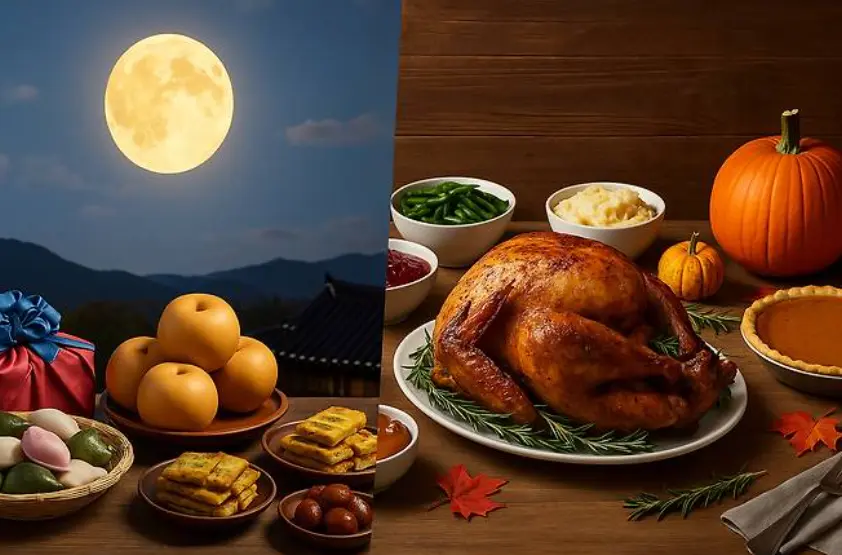
Chuseok and Thanksgiving: What Is the Difference?
Chuseok gets called “Korean Thanksgiving” a lot in English write-ups, and the comparison makes some sense — both are autumn holidays centered on family and food. But the scale isn’t really the same. American Thanksgiving is officially one day off, the fourth Thursday of November, though many workplaces let people take Friday too. Chuseok, along with Seollal in winter, is one of the two holidays the entire country plans its year around — train tickets sell out weeks ahead, highways back up for hours, and most businesses close rather than run on reduced staff.
Other places have their own version of a holiday everyone travels home for. Ramadan runs on the Islamic lunar calendar and shapes daily life across a lot of the Muslim world in a very different way — a month of fasting rather than a harvest feast, so the comparison only goes so far.
The two holidays share the idea of spending time with family and appreciating food, but the traditions and the way people celebrate are different. It’s interesting to see how each country has developed its own way of marking an important time of year.
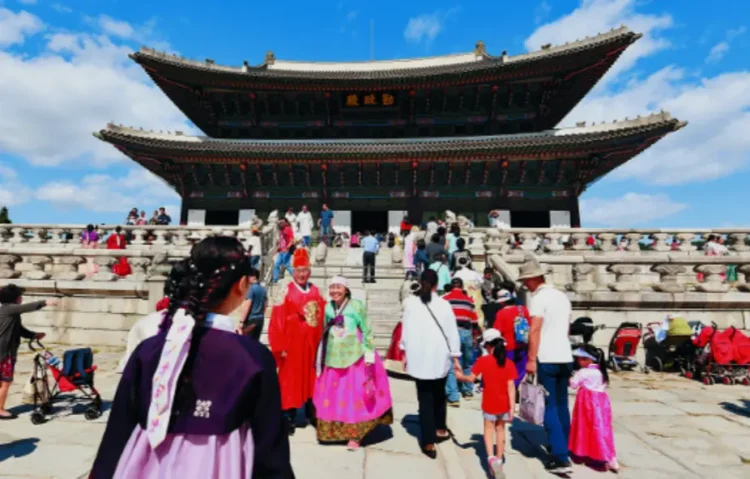
Visiting Seoul’s Royal Palaces During Chuseok
If you’re visiting Korea during Chuseok, this is one part you’ll want to plan for. Emergency rooms continue to operate during the holiday, but many regular clinics close or have limited hours. If you need medical care, check which facilities are open before you visit — Korea’s emergency medical information portal lists which smaller clinics are running near you, which is worth checking before heading straight to an ER for something minor.
One nice thing about visiting Seoul during Chuseok is that several major royal palaces usually offer free admission during the holiday period. This year, Gyeongbokgung, Changdeokgung, Deoksugung, and Changgyeonggung, along with Jongmyo Shrine and the royal tombs, are free to enter from the 24th through the 27th, though Changdeokgung’s rear garden is excluded. Jongmyo normally requires a reservation, so this is one of the rare windows where you can just walk in. Gyeongbokgung also runs its guard-changing ceremony a few times a day without needing to book ahead.
A Small Gift Note
If you’re visiting a Korean friend’s home during Chuseok, bringing a small gift is a thoughtful gesture. Ginseng tea, fruit, or a traditional snack gift set are some options you might see in stores around this time.
Wrapping Up
Chuseok isn’t a holiday built around fireworks or large public celebrations. For many Korean families, it’s simply a time to go home, share a meal, and spend time together.
If you’re in Korea during Chuseok and notice that more places are closed than usual, don’t be surprised — it’s part of the holiday. Personally, I kind of like how quiet it gets.
Recommended Reading
👉 Everyday Life in Korea: 10 Things That May Surprise Foreigners
👉 Korean Fried Chicken History: How Korea Became a Chicken Kingdom