K-Dramas and Korean Culture – How Viewers Are Discovering Korea Through Fiction
K-Dramas and Korean Culture.
For many people, their first real introduction to Korea doesn’t happen at an airport or in a travel guide. It happens while watching a K-drama.
Maybe it’s a palace scene, a family dinner, or a late-night street food scene. At some point, Korea starts to feel strangely familiar, even to someone who’s never been here.
I’ve heard visitors say something similar after arriving in Korea: “This looks familiar.”
They haven’t actually been here before. They’ve simply seen so many Korean places and situations on screen that some of them already feel recognizable.
That may be one of the most interesting things about the global popularity of K-dramas. People can become curious about Korean culture long before they ever plan a trip here.

K-Dramas Became an Unexpected Introduction to Korea
There are obviously plenty of ways to learn about Korea. Travel books, documentaries, YouTube, and social media have all played a role. But K-dramas do something different. They put culture inside a story.
A viewer might start a drama for the story and end up searching for the food shown in a dinner scene, the palace in the background, or the meaning behind a traditional outfit.
Sometimes a simple dinner scene can make viewers curious about things they would never have searched for on their own.
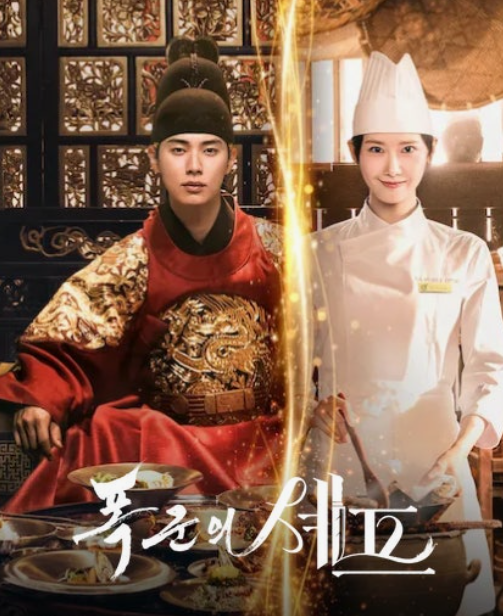
Bon Appétit, Your Majesty: Royal Food and Everyday Joseon Life
One recent example is tvN’s Bon Appétit, Your Majesty, known in Korea as “폭군의 셰프.” The premise is unusual, but that’s part of the fun: a modern-day chef travels back in time and ends up cooking for a king during the Joseon dynasty.
Although the story is clearly fictional, the Joseon setting gives the series plenty of opportunities to introduce viewers to traditional Korean food and royal court culture.
Starring Im Yoon-ah and Lee Chae-min, the series goes beyond simply using hanbok and palace interiors as visual decoration. Royal meals, dining rituals, and details of Joseon-era life are woven into the story rather than being used only as background scenery.
Why the Food Scenes Stand Out
For viewers who aren’t familiar with Korean cuisine, dishes such as kimchi, bulgogi, and bibimbap may be the first foods that come to mind. But Korean cuisine is much broader than those familiar names.
A drama like this can introduce viewers to less familiar parts of Korean cuisine, including royal court dishes, traditional table settings, and dining customs.
The King’s Warden: A Harder Look at Joseon History
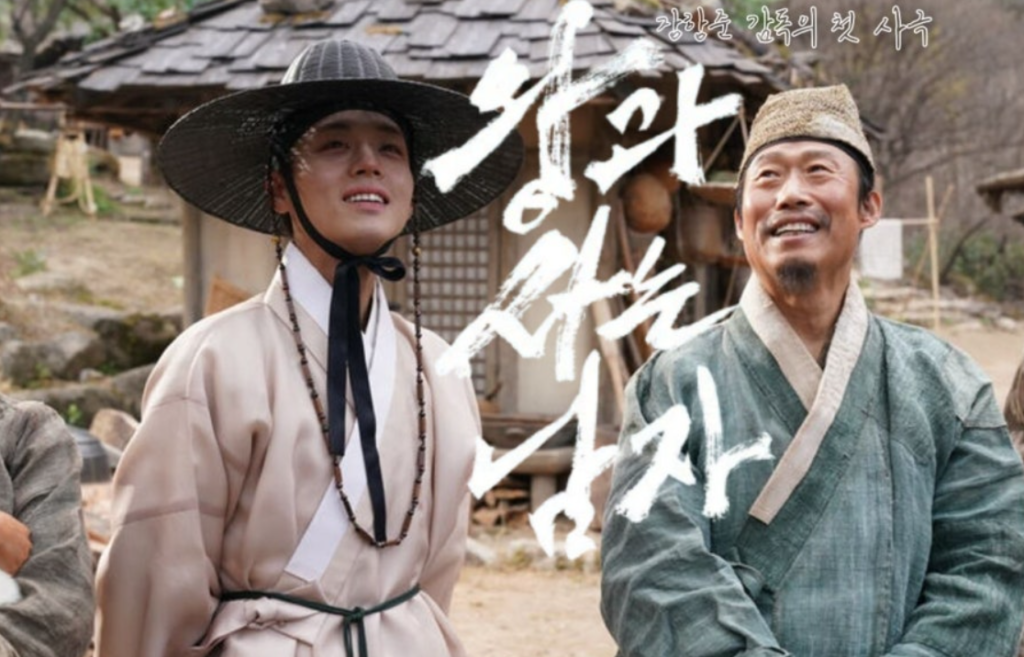
Film can introduce Korean history in a very different way. The King’s Warden, known as “왕과 사는 남자,” is one recent example. Released in 2026, it’s inspired by the real historical exile of King Danjong, Joseon’s sixth king, who was dethroned and sent to Yeongwol. Park Ji-hoon plays Danjong, alongside Yoo Hae-jin as Eom Heung-do.
The film focuses on political conflict, exile, and the loyalty of those who remained close to the young king.
Danjong’s story is well known in Korean history, but it may be unfamiliar to viewers encountering it for the first time. A young king losing his throne through political conflict is a powerful story even for viewers who know little about Joseon history.
It also offers a different view of Joseon Korea. The period was not only about palaces, traditional clothing, and beautiful scenery; it was also shaped by political struggles and personal tragedies.

Perfect Crown: A Modern Setting With Royal Traditions Underneath
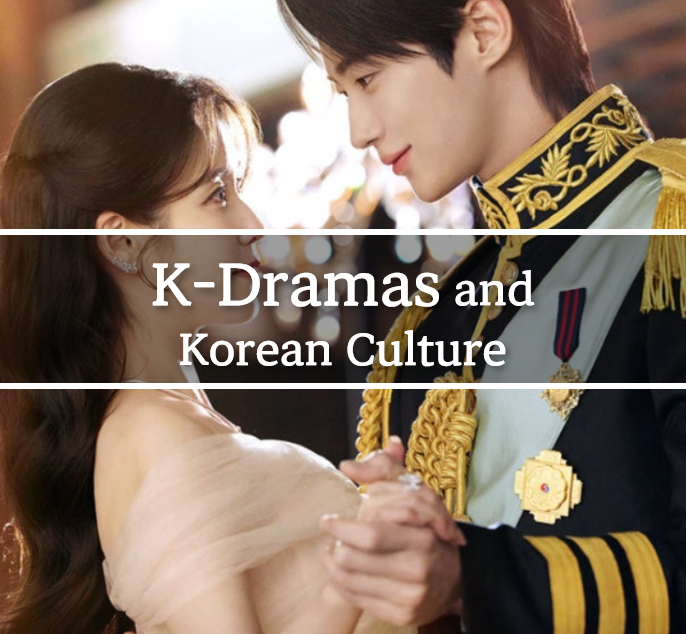
Another interesting example is Perfect Crown, known in Korea as “21세기 대군부인.” This one imagines a modern constitutional monarchy in Korea, where a chaebol heiress enters a contract marriage with a royal prince. IU and Byeon Woo-seok lead the series.
Unlike a traditional historical drama, the series combines a modern setting with an imagined Korean monarchy. That makes it easier to connect familiar contemporary life with elements of royal culture.
The clothes and settings may be modern, but ideas about royal etiquette, marriage, social status, and palace life remain central to the story.
When Fiction Sparks Curiosity About Korean Traditions
For international viewers, that can lead to some interesting questions: What did traditional Korean weddings actually look like? What did royal fashion really mean?
Wedding scenes are particularly memorable because of the colors, traditional accessories, clothing, and formal rituals.
From Watching K-Dramas to Visiting Korea
The influence of these dramas can also be seen in Korean tourism. Some viewers eventually become interested in visiting the places, trying the food, or experiencing the traditions they first encountered through a drama.
A palace that appears repeatedly in a drama can become more than just a tourist attraction. After seeing it in a story, visitors may recognize the gates, courtyards, or surrounding streets when they finally visit in person. Others rent hanbok while visiting palace areas, partly because they want to recreate the atmosphere they’ve seen on screen.
Food can have a similar effect. After seeing traditional dishes featured in a drama, trying hanjeongsik or other Korean dishes in person can feel more meaningful because there is already a story attached to the experience.
You might also like:
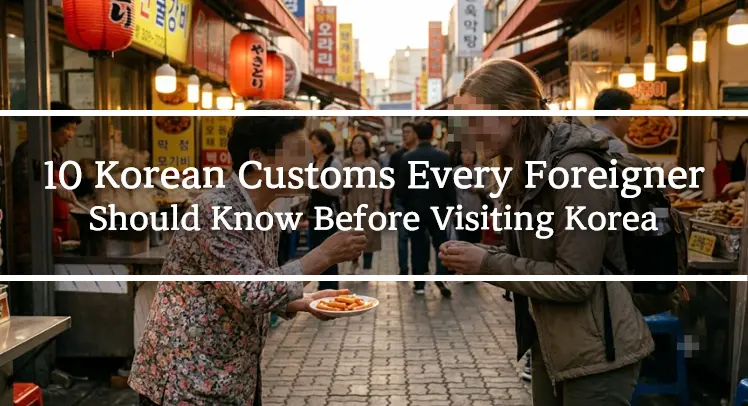
👉 10 Korean Customs Every Foreigner Should Know Before Visiting Korea
👉 Best Korean Cities to Visit Besides Seoul
👉 What Is Tteokbokki? Everything Foreigners Need to Know
Why This Matters
K-dramas have become an important way for people around the world to encounter Korean culture.
A viewer might discover Korean food through a dinner scene, become interested in a historical figure, or start looking up a palace after seeing it in a drama.
Of course, a K-drama should never be treated as a complete history lesson. Stories are dramatized, and some details are created for entertainment.
But they can still be a starting point. For many viewers, curiosity about Korea begins with a fictional character, a meal, a palace, or a piece of clothing on screen. The next step might be a search, a restaurant visit, or eventually, a flight to Korea.