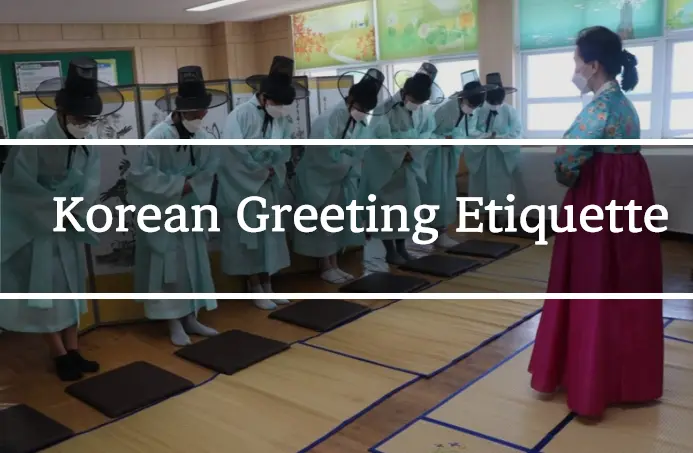
Korean Greeting Etiquette: How Koreans Actually Bow, Shake Hands, and Say Hello
Korean Greeting Etiquette is one of those things you start noticing almost immediately when you spend time in Korea. Nobody really sits you down and explains every little greeting, but after a few days, you begin to notice the small bows, the way people shake hands, and how greetings change depending on who they’re talking to.
The Small Bow You’ll See Everywhere in Korea
When you first visit Korea, you might expect people to bow quite deeply. In reality, most everyday greetings involve a much smaller movement. It’s closer to a head tilt — maybe fifteen degrees, sometimes less. You’ll get this from convenience store staff, from someone holding a door, from a stranger who just apologized for bumping your shoulder on the escalator. I’ve noticed people barely break stride when they do it. People often do it without even stopping what they’re doing.
If you’re visiting Korea, this is probably the bow you’ll use most often. A small nod while saying “annyeonghaseyo” is enough for many everyday situations, whether you’re buying coffee, checking into a guesthouse, or thanking someone for directions. You don’t need to worry about getting the angle exactly right. If you’re meeting someone for the first time, adding a small nod to your greeting is a simple way to show respect.
How Greetings Change in Korean Offices
In a more formal setting, such as a business meeting or a first meeting with a client, you’ll often see a slightly deeper bow. The same can happen when greeting someone older or in a higher position. Around 30 degrees is a common reference, but people don’t usually stop to measure it. You’ll often see people keep their hands at their sides or in front of them, depending on the situation and personal preference.
One thing that can be confusing at first is who bows first. In some formal situations, a younger or more junior person will greet the older or senior person first. The other person might respond with a smaller bow or nod. It doesn’t always look perfectly matched, and that’s normal.
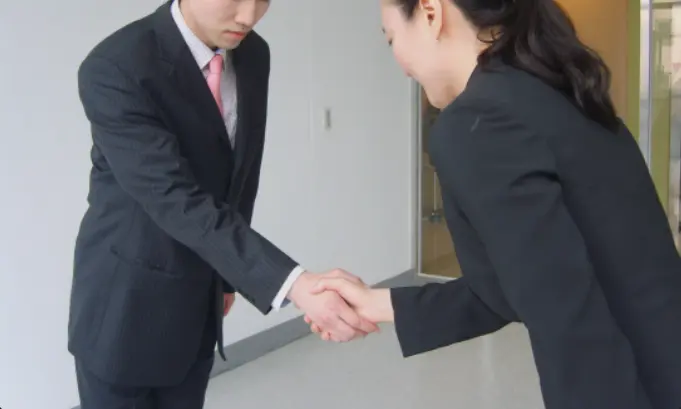
In a lot of mixed Korean-foreign meetings now, people combine this with a handshake — a slight bow while the hands are still clasped. If your counterpart does that, returning it is the safer read. Watching for their lead works better than committing to one style in advance.
When the Bow Gets Deeper
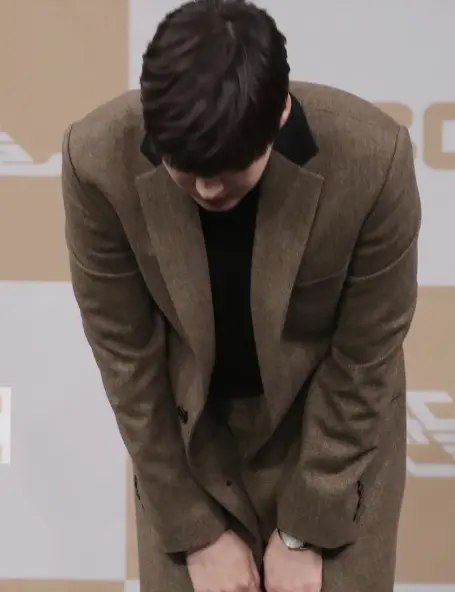
A deeper bow can be used when someone wants to show sincere gratitude or apologize for something. You might also see it in a particularly formal introduction. It’s not the kind of greeting you’ll normally use while walking into a convenience store or meeting someone casually. This one gets held for a beat rather than snapped back up right away, eyes down. It feels different from the quick nods you see in everyday situations. There’s usually a little more intention behind it.
You’ll also come across much deeper bows during certain ceremonies and traditional occasions. Seollal and Chuseok are examples, especially when younger family members greet older relatives. These gestures are different from the small bows people use in everyday life, so you generally won’t need to worry about doing one as a tourist.
Check out these related posts:
👉 Korean Bowing Etiquette – Why Do Koreans Bow?
What to Know About Handshakes in Korea
Handshakes are common in Korean business settings, especially when meeting someone for the first time. You may notice that people add a small bow while shaking hands, rather than treating the handshake and bow as two completely separate greetings.
In Korea, people generally use their right hand when shaking hands or handing something to someone. In more formal situations, you may also notice someone supporting their right arm with their left hand.
Business Cards Are Part of the Greeting Too
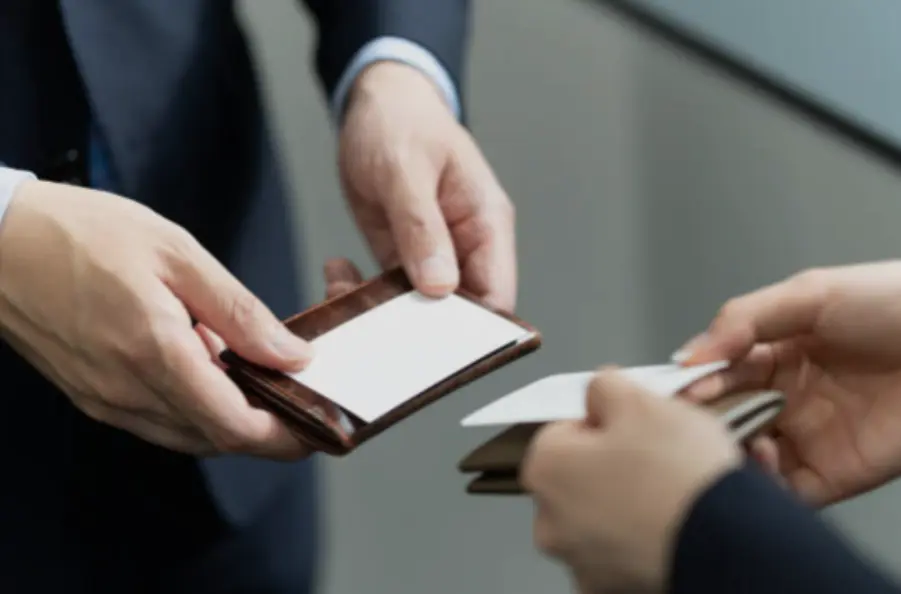
Business cards are another small part of Korean business etiquette that visitors may notice. When someone hands you a card, it’s common to receive it with both hands or with your right hand supported by your left. You’re generally expected to look at the card for a few seconds before setting it down — glancing at it and pocketing it right away can come across as a bit dismissive.
It’s also best not to write on someone’s business card while they’re standing in front of you. It reads as disrespectful even if the intent behind it was harmless, like jotting a note for yourself. If you need to write something down, do it later, out of sight.
Check out these related posts:
👉 Why Do Koreans Take Off Their Shoes Indoors?
A Couple Things That Aren’t So Obvious
You may also notice that eye contact changes slightly during a bow. Rather than staring directly at the other person, people often lower their gaze naturally as they bow. You don’t have to think too much about it. Just let your gaze drop naturally as you bow.
Also worth knowing: close friends mostly don’t bow to each other. If you’re picturing constant, formal bowing between people who know each other well, that’s not really the everyday reality — a wave or a casual greeting covers that. Bowing tends to show up more with age gaps, hierarchy, first meetings, and formal settings than it does between peers who are already comfortable with each other.
You don’t need to memorize every bow before visiting Korea. Just start with a small nod, say “annyeonghaseyo,” and pay attention to how the other person greets you. The more time you spend in Korea, the more natural these little gestures will feel.