
Korea Travel Guide for Foreigners – Common Mistakes and What to Know Before You Go
Korea Travel Guide for Foreigners – Common Mistakes and What to Know Before You Go
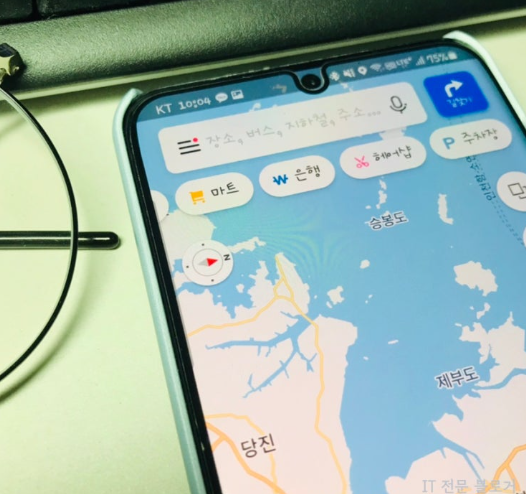
Google Maps barely works for walking directions once you land in Korea, and I’ve heard from visitors that this catches them off guard right at the airport. It’s a small thing, but it sets the tone for how different some everyday habits need to be here.
Why Korea Feels Overwhelming for First-Time Visitors
Seoul looks futuristic, but the signage can be confusing fast for someone unfamiliar with the layout. One of the biggest surprises for visitors is that Google Maps doesn’t work well here for walking directions or transit.
The Mistake: Relying on Google Maps
This is probably the single most common mistake foreign travelers make. Korea runs on its own digital ecosystem, and Google Maps simply isn’t built for it locally. Visitors who don’t know this often end up stuck at a subway exit with no idea which direction to go.
Getting Around Korea the Right Way
Transportation is genuinely one of Korea’s strongest points once you understand how it works. The subway system is clean, fast, and shockingly punctual.
Naver Map and KakaoMap show real-time bus and subway routes accurately, unlike Google Maps in Korea. Visitors who switch to these apps early tend to have a much smoother trip.
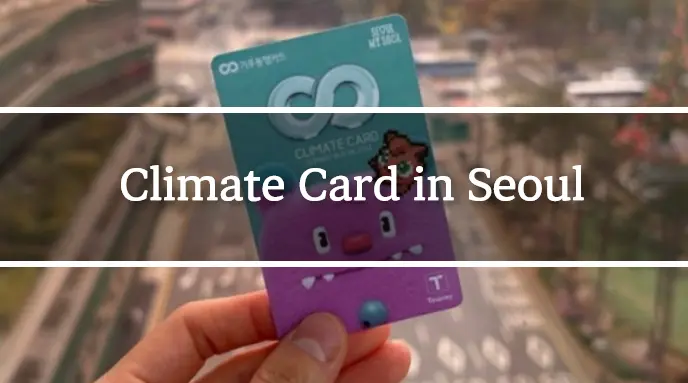
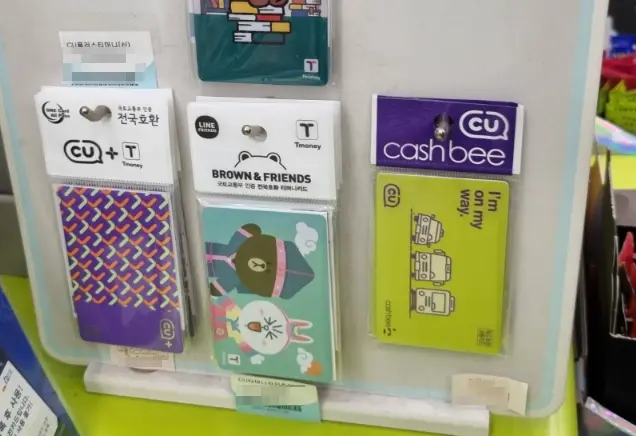
Get a T-money Card Right Away
This card works on buses, subways, taxis, and even convenience stores. It’s available at any airport kiosk, and skipping it is a common oversight that makes every commute more complicated than it needs to be.

Money Matters: Cash, Cards, and Currency Exchange
Korea is more card-friendly than many visitors expect, but small vendors, especially street food stalls, still prefer cash.
The Mistake: Assuming Cards Work Everywhere
Foreigners sometimes carry only cards and get caught off guard at small markets, temples, or street stalls. Keeping some won on hand avoids this entirely. ATMs inside convenience stores like GS25 usually accept foreign cards without issue.
Currency exchange booths near Myeongdong often offer better rates than the airport. Comparing a couple of options before exchanging is worth the extra few minutes.
Where to Eat When You Can’t Read the Menu
Korean food culture is one of the biggest draws for travelers, but menus without pictures can feel intimidating for first-timers.
Look for Picture Menus or Plastic Displays
Many restaurants near tourist areas display plastic food models outside. Pointing and ordering this way works well, even without any Korean language skills.
Convenience Store Meals Are Worth Trying
CU and GS25 sell surprisingly solid meal kits, sandwiches, and instant ramen bars. Visitors sometimes dismiss these as backup options only, but they’re a completely normal part of daily eating here, not just an emergency choice.
👉 Related Reading: Korean Convenience Store Culture
Staying Connected: Wifi and Apps
Free wifi is widely available, but the quality is inconsistent across locations. Renting a pocket wifi device or grabbing a local SIM at the airport solves this quickly.
The Mistake: Assuming WhatsApp Works Here
KakaoTalk is essentially mandatory in Korea, not optional. Locals rarely use WhatsApp or iMessage, so visitors who don’t download KakaoTalk beforehand often find it harder to communicate or coordinate plans.
Cultural Etiquette Foreigners Often Miss
Small etiquette mistakes won’t ruin a trip, but they do stand out. Koreans are generally polite and usually won’t correct visitors directly, which means many mistakes go unnoticed by the traveler themselves.
Related Posts
👉 10 Korean Customs Every Foreigner Should Know Before Visiting Korea
Take Your Shoes Off Indoors
Many guesthouses, some restaurants, and most homes expect shoes off at the entrance. Forgetting this is one of the more common and noticeable slip-ups visitors make.
Don’t Expect or Leave Tips
Tipping isn’t part of Korean service culture. Leaving cash on a table sometimes confuses staff rather than flattering them, since it’s not an expected gesture here.
Packing Tips for a First Trip to Korea
Weather swings significantly between seasons, so layering matters more than packing volume. Comfortable walking shoes are essential given how much walking is involved in daily sightseeing.
A portable charger is also worth carrying at all times. Between maps, translation apps, and photos, phone batteries tend to drain faster than visitors expect.
Korea rewards travelers who prepare just a little before arriving. Nothing here is genuinely difficult once the local shortcuts are known. Downloading the right apps, carrying a T-money card, and staying open to small cultural differences covers most of what trips up first-time visitors.